Digital Mechanical Design: The New Approach to Modern Product Engineering
Digital mechanical design represents a fundamental shift in how engineers conceive, develop, and validate mechanical products. By integrating CAD modeling, CAE structural analysis, and digital manufacturing workflows into a single connected process, engineering teams can move from concept to production-ready design far more efficiently than before. Whether you work in automotive components, precision molds, industrial robotics, or hydraulic systems, mastering this approach is no longer a competitive advantage — it is a professional baseline. This article walks through what the methodology involves, how it compares to older methods, and how structured training programs prepare engineers to apply it on the job.
Understanding Digital Mechanical Design
From Drafting Table to Virtual Environment
Mechanical drafting used to be done by hand with 2D drawings, real mockups, and review processes that went on for weeks at a time. Today, engineers use parametric 3D models to create things. These models have full dimensional, material, and tolerance data built right into the shape. A study from 2022 by Lifecycle Insights found that companies that used Model-Based Definition (MBD) cut engineering change orders by an average of 34%.
The Core Workflow
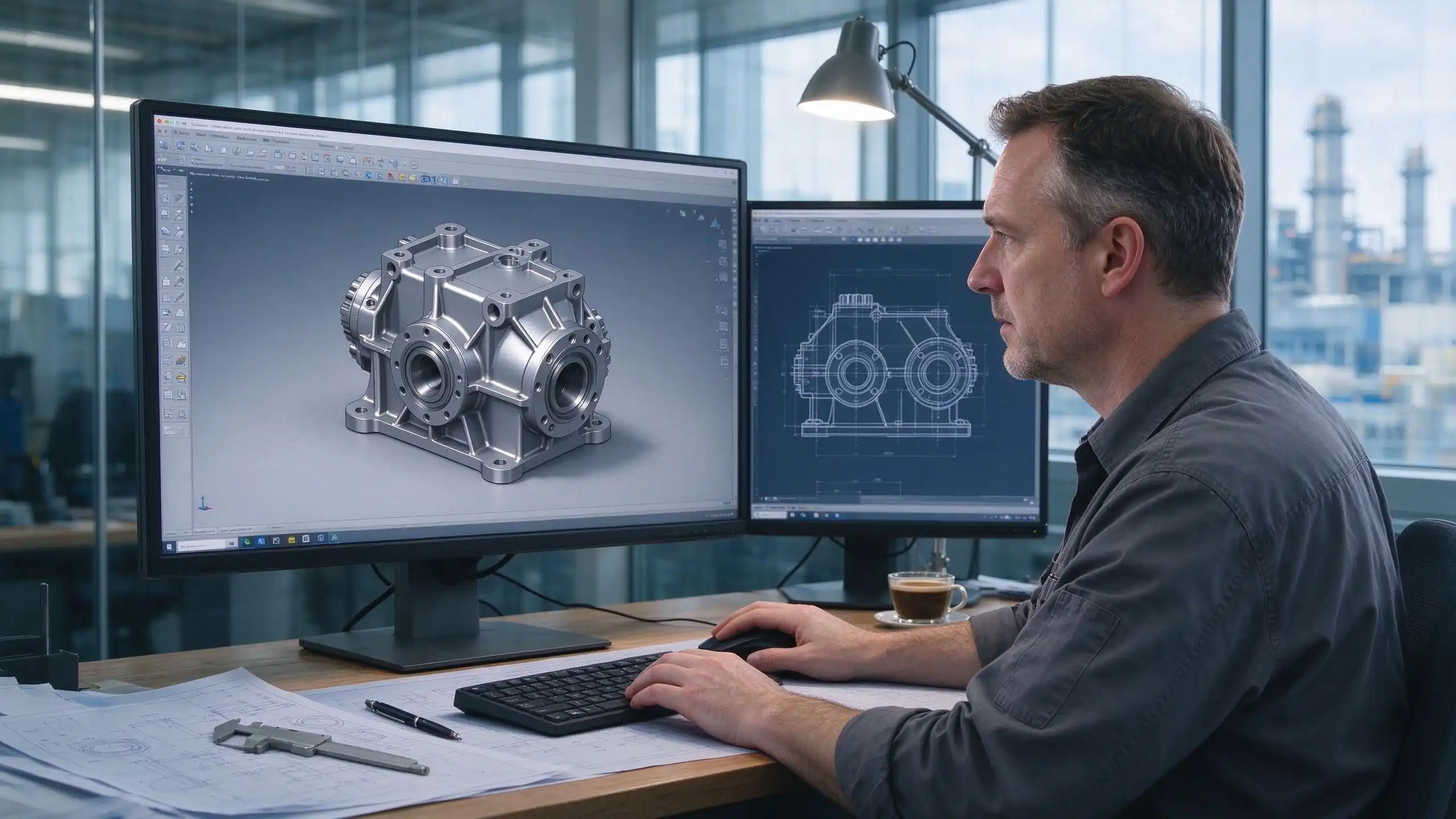
Conceptual 3D modeling, virtual assembly and motion simulation, CAE finite element analysis (FEA), and manufacturing process preparation are the four steps that make up a normal digital design process. Since data is sent from one step to the next, mistakes show up in the program before any actual parts are made.
Key Software Platforms
ZWCAD is used for 2D engineering drawings, SolidWorks is used for parametric 3D modeling and assembly, CATIA is used for complex surface design in aerospace and automotive, and ANSYS or similar solvers are used for structural and thermal FEA. Siemens NX and PTC Creo are both used by mid- to large-sized OEMs where PLM integration is necessary.
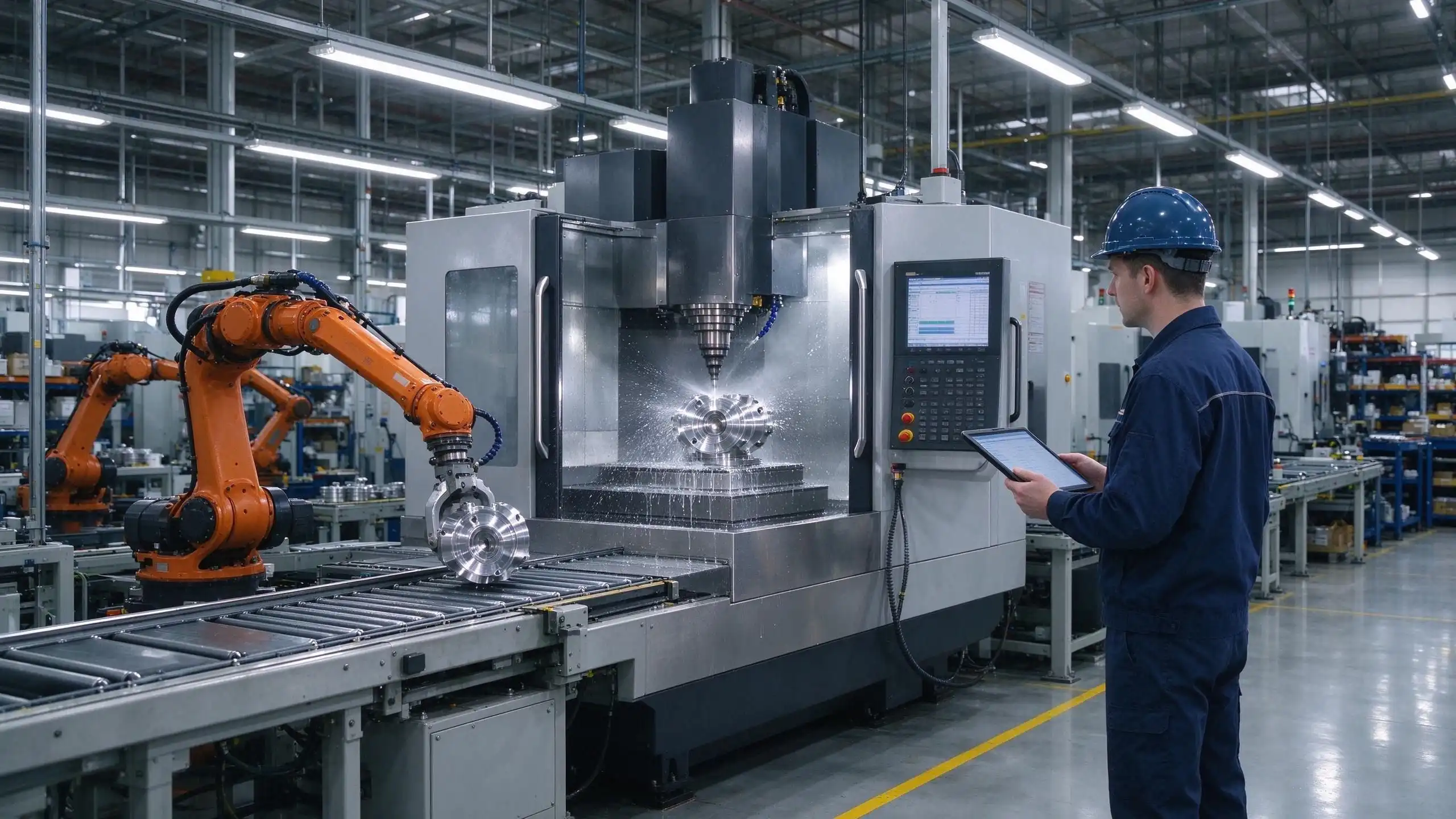
Digital Mechanical Design vs. Traditional Mechanical Design
Speed and Error Rate
Every time you revise something you wrote by hand, you make a transcription error. A test done by the Aberdeen Group in 2021 showed that teams using 3D digital workflows finished design iterations 40% faster and had 28% fewer mistakes when putting things together than teams using 2D-first methods.
Collaboration Across Disciplines
In the old days, pictures were kept in actual files that had to be passed around physically. With cloud-based CAD tools for digital mechanical design, experts working on mechanical, electrical, and manufacturing parts can all look at the same model at the same time. This parallel workflow gets rid of the sequential bottleneck that makes most programs for making new products move more slowly.
Cost and Prototype Reduction
Based on the materials used and the level of accuracy needed, physical prototypes for a medium-level mechanical assembly can cost anywhere from $5,000 to $50,000. Teams can check functional needs with virtual development using simulations and motion analysis before investing in tools. This cuts down on material waste and rework costs.
Top Software Tools and Technologies Shaping the Field
CAD and 3D Modeling Platforms
For its easy-to-use parametric modeling system, SolidWorks is still the tool that engineering schools around the world teach the most. CATIA is the leader in the supply chains for aerospace and high-end cars. ZWCAD is an easy-to-use, low-cost entry point that is compatible with 2D drawing standards and works well for large-scale educational deployment.
CAE and Simulation Technologies
For FEA, ANSYS Mechanical is the standard. It can do static structural, dynamic, and stress analysis. CAM tools like Mastercam and CATIA Machining make CNC tool paths and check the cutting parameters before the program goes to the machine floor. This is done to simulate the manufacturing process.
Emerging Technologies
Platforms like Autodesk Fusion now include generative design, a process in which AI suggests material-efficient shapes while adhering to set load and manufacturing limits. In robotics and turbomachinery, digital twins, which are live virtual models that are updated with real sensor data, are used to predict when maintenance will be needed and when performance will start to drop before they break.
Best Practices for Building Effective Design Workflows
Structured Version Control and Data Management
Without version control, teams could do steps like cutting or assembly based on old plans that are no longer valid. PLM systems, like SolidWorks PDM or Siemens Teamcenter, keep track of all the changes made to files, who can access them, and when they are ready to be released for the whole product record.
Here are the habits that constantly separate engineering teams that work well from those that get stuck during product development:
- Start with a clearly defined design specification: Document load cases, material constraints, and geometric boundaries before opening any CAD tool. Teams that skip this step revise models 60% more often, according to a 2020 Engineering Management Journal analysis.
- Run FEA before finalizing geometry: Perform structural checks in c at the conceptual stage, not only at the approval stage. Catching stress concentrations early costs far less than redesigning after tooling has been cut.
- Integrate CNC simulation before program release: Virtual machining tools verify tool paths, detect collisions, and confirm cutting parameters in software, preventing machine crashes and scrap parts on the floor.
These habits encourage checking at every design milestone, which cuts down on expensive changes made late in the process.
Continuous Skill Development
Software skills alone are not enough to make engineers good at their jobs. Teams need training that ties using tools to using real engineering reasoning. They need to know why a change in design affects the performance of a structure, not just how to make the change in the software.
How ECR Academy's Digital Mechanical Design Course Prepares Engineers for Industry
Project-Based Curriculum, Integrated Digital Workflows, and Industry-Aligned Certification
The Digital mechanical design program at ECR Academy fills in the gap between knowing how to use software and having engineering skills that are ready for the workplace. The lessons are based on projects, and the hands-on activities are taken from real-life industrial situations in areas like designing molds, putting together machines, and making auto parts.
These are the main skills that the course builds:
- Mechanical digital design: Students produce engineering drawings using ZWCAD, build and refine 3D models, run virtual assemblies, perform motion simulation, and complete basic CAE finite element analysis — following workflows that match actual design department standards.
- Digital manufacturing and CNC programming: Students develop machining process plans, write CNC programs, plan tool paths using CAM software, and simulate cutting operations in virtual machining environments before any real material is involved.
- Engineering problem-solving: Students work through practical projects that require analyzing design failures, proposing improvements, and applying industry standards and safety practices to their solutions.
The platform works with the whole process, from engineering drawings to CNC programming and 3D modeling. It's installed on dedicated hardware and can be accessed through the cloud, which makes it useful for schools that have to manage hundreds of students at the same time.
The faculty is made up of both working professionals with current project experience in the industry and experienced teachers from other fields, so students get both technical knowledge and business context. The course is in line with international standards for technical skills, so certifications can be used anywhere in the world.
This program is a direct link between what engineers learn in school and what they can do on the job. It helps engineering program directors make courses that meet the requirements of engineering education accreditation and it helps enterprise training managers cut down on the time it takes to train new engineers.
Since 2010, the ECR Academy has given professional training and testing to almost 500,000 people in China and 28 other countries. More than 300,000 of these students have earned recognized skills certifications. As a digital mechanical design supplier for business and education partners, ECR Academy works with businesses, industry groups, and educational institutions.
Conclusion
The shift to digital mechanical design has changed what engineering teams can accomplish in a given project timeline. Faster iteration, earlier error detection, and tighter integration between design and manufacturing are now standard expectations in automotive, aerospace, robotics, and industrial equipment sectors. Building these capabilities requires structured training that moves beyond software tutorials to genuine engineering problem-solving. ECR Academy's program offers that foundation — connecting CAD, CAE, and CNC programming skills to real-world workflows that graduates can apply from day one.
FAQ
1. What core skills does a digital mechanical design course develop?
Four skills are taught in a well-organized program: 2D engineering drawing, 3D parametric modeling, CAE structural analysis, and CNC code. These are exact copies of jobs in the departments of design, simulation, and planning the manufacturing process.
2. How does this type of training differ from watching software tutorials?
Button-click routines are taught in software lessons. In an organized course, these tasks are put into a real engineering workflow. This way, students learn why each step is important, how results affect processes further down the line, and how to make design choices based on limitations in manufacturing or structure.
3. Can the platform connect directly to industry software environments?
The platform from ECR Academy includes all stages of the work process, from engineering drawings and 3D models to structural analysis, CNC programming, and virtual machining. Because the software environment is the same as what engineers use in the real world, skills can be used right away without having to go through a different training time.
Start Your Engineering Training Program with ECR Academy
Every training session at E.C.R. Academy is backed by 16 years of experience teaching skills and a global network of more than 500 partner businesses. Students in our Digital mechanical design school can go straight from learning CAD, CAE, and digital production in the classroom to being able to use them on the job. To get a program consultation right away, email our team at ecr2008@enteredu.com or go to enteredu.com.
References
1. Aberdeen Group. Benchmark Report: Engineering Design Productivity and Error Reduction in Digital Workflows. 2021.
2. Lifecycle Insights. Model-Based Definition Adoption and Its Impact on Engineering Change Management. 2022.
3. Engineering Management Journal. Design Specification Practices and Their Effect on Revision Frequency in Mechanical Product Development. 2020.
4. American Society of Mechanical Engineers (ASME). Digital Twin Applications in Mechanical Engineering: Current State and Future Directions. 2023.
5. Wohlers Associates. Additive Manufacturing and 3D Printing State of the Industry Annual Report. 2023.
6. International Journal of Advanced Manufacturing Technology. CAE-Integrated Design Workflows: Reducing Prototype Costs in Automotive Component Development. 2022.