Digital Mechanical Design
Standards: Aligned with international technical skills standards
Faculty: Industry practitioners and experienced academic instructors
Platform: Full-process platform supporting CAD design, 3D modeling, and CAE structural analysis
Coverage: Product design, 3D modeling, engineering drawing, structural analysis, and digital manufacturing preparation
Outcomes: Build practical, job-ready skills aligned with real industry needs
Target Partners: Enterprises, educational institutions, industry associations, and other organizations
Digital Mechanical Design
Course Overview
This course is designed to help you build practical skills in Digital Mechanical Design, mechanical product design and digital manufacturing.
You will learn how to create engineering drawings, develop 3D models, perform CAE analysis, plan machining processes, and carry out CNC programming.
The course prepares you for roles in digital design and manufacturing within the modern industrial sector.
Why This Course?
1. Curriculum
Learn through real-world projects that combine theory with hands-on practice
2. Organization
Designed in line with international technical standards and industry practices
3. Faculty
Taught by industry professionals and experienced instructors
4. Platform
Train on a platform covering CAD design, 3D modeling, and CAE structural analysis across the full workflow
5. Outcomes
Build practical, job-ready skills for digital manufacturing roles
What You'll Be Able to Do?
Aligned with core assessment dimensions and job skill requirements, through this course, you will be able to:
1. Create Mechanical Designs
- Produce engineering drawings using industrial software such as ZWCAD/3D
- Build and optimize 3D models
- Perform virtual assembly and motion simulation
- Conduct CAE finite element mechanical analysis
2. Plan and Execute Manufacturing Processes
- Develop machining process plans for mechanical parts
- Create CNC programs and tool paths
- Simulate machining processes using virtual tools
3. Solve Engineering Problems
- Analyze and improve product designs based on real-world requirements
- Apply engineering thinking to optimize performance and efficiency
- Follow industry standards and safety practices
What You Will Learn?
|
Training Skills
|
Description
|
|
1. Core Competency in Mechanical Digital Design
|
Learn how to create engineering drawings and convert 3D models into 2D designs using CAD tools. You will build 3D models, perform virtual assembly, and run motion simulations. You will also learn structural optimization and basic CAE analysis. All tasks follow industry standards and reflect real design workflows.
|
|
2. Digital Manufacturing Process and CNC Programming Competency
|
Learn how to plan machining processes and develop CNC programs. You will analyze part machining requirements and prepare process documentation, write CNC programs, and plan tool paths using CAM tools, and simulate machining processes using virtual systems. Key topics include material selection, tool selection, cutting parameters, and post-processing. These skills reflect real-world manufacturing requirements.
|
|
3. Engineering Innovation and Comprehensive Professional Competency
|
Learn how to design and optimize mechanical systems for real-world applications. You will develop solutions to engineering problems through practical projects. You will analyze problems, improve product functions, and apply engineering thinking in real-world scenarios. You will also learn industry standards, safety practices, and basic cost control. These skills help you build strong engineering judgment and real-world adaptability.
|
Learning Environment
You will work with industry-standard CAD and manufacturing software. The platform supports the full workflow from engineering drawings and 3D modeling to CAE analysis, CNC programming, and virtual machining. It is supported by dedicated hardware, cloud-based training, and intelligent assessment tools.
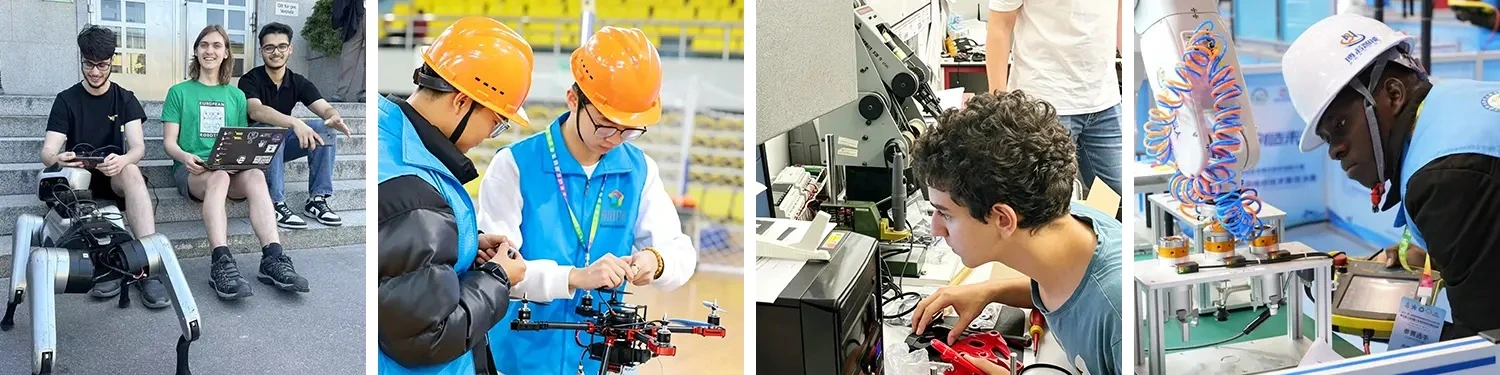
Company Strength
At ECR Academy, our Digital Mechanical Design training program leverages 16 years of vocational education expertise and a comprehensive ecosystem built for real-world application. Here's what sets us apart:
- We've trained nearly 500,000 participants across 29 countries, with over 300,000 earning recognized skills certifications since 2010
- Our program is supported by more than 3,300 industry and academic experts who bring current product practices directly into your learning experience
- You'll access over 60,000 educational resources including CAD design standards, 3D modeling courseware, CAE structural analysis case studies, and assessment systems
- We've organized 150+ domestic and international skills competitions, helping 30,000+ learners build job-ready capabilities through hands-on challenges
- Your training follows a project-based curriculum combining theory with practical application across product design, engineering drawing, and digital manufacturing preparation
- Our full-process platform supports integrated workflows from CAD design through 3D modeling to structural analysis, mirroring real industry environments

FAQ
Q: What core skills can be mastered by studying this mechanical digital design and manufacturing course, and what practical benefits does it offer for career development?
A: You will develop practical skills in mechanical design and digital manufacturing, including 2D drawing, 3D modeling, CAE analysis, and CNC programming.
These skills can be applied directly in real-world manufacturing environments and will support your career development in digital design and production roles.
Q: What are the core features and advantages of this curriculum system in professional talent cultivation?
A: The course is designed based on real-world workflows in mechanical design and manufacturing.
It combines practical training with industry-relevant standards and technologies. You will learn through a structured process from design to manufacturing, helping you build both technical skills and real-world problem-solving ability.
Q: What software and hardware platforms are used for course learning, and can they seamlessly connect with actual industry applications?
A: The course adopts an industrial software platform equipped with a high-performance hardware environment adapted for professional teaching and practical operations. The software side covers the full workflow of engineering drawing, 3D modeling, structural analysis, CNC programming, and virtual machining, achieving seamless connection between learning scenarios and industry application scenarios, ensuring your skills can be applied directly in real-world work.

Contact Us
Ready to elevate your Digital Mechanical Design capabilities? Reach out to our team at ecr2008@enteredu.com to discuss customized training solutions for your organization.





_1781601799781.webp)