Additive Manufacturing Technology
Core Skills: 3D product design, reverse design, equipment operation, post-processing inspection, structural optimization, and process simulation
Faculty: Joint instruction by enterprise engineers and college experts
Platform: Virtual simulation platform for 3D design, reverse design, and the full additive manufacturing process
Employment: Skills for plastics, metal products, general equipment manufacturing, and related industries
Target Partners: Enterprises, educational institutions, industry associations, and other organizations
Additive Manufacturing Technology
Course Overview
This program focuses on the core skills required in additive manufacturing technology and is aligned with roles in 3D product design, reverse design, equipment operation, and process implementation. Foundation courses include mechanical drawing, engineering materials and heat treatment, and fundamentals of mechanical design. Core courses cover product 3D design, reverse design technology, additive manufacturing equipment and applications, post-processing and inspection of additive manufactured parts, structural optimization, and process simulation.
Learners study 3D modeling, reverse design, equipment operation and maintenance, post-processing methods, process simulation, and optimization. After completing the program, learners can prepare for roles such as additive manufacturing product designer, process engineer, equipment operator, and post-processing technician in fields such as plastic products, metal products, and general equipment manufacturing.
Why This Course?
1. Curriculum
Combines hypothesis with hands-on hone and project-based learning to bolster commonsense application.
2. Skills
Covers center aptitudes in item 3D plan, turn around plan, gear application, post-processing review, basic optimization, and prepare simulation.
3. Faculty
Delivered together by endeavor engineers and scholastic teaches, combining designing hone with organized teaching.
4. Platform
Supports virtual reenactment tests for item 3D plan, turn around plan, and the full added substance fabricating process.
5. Career Pathways
Aligned with down to earth needs in plastic items, metal items, common hardware fabricating, and related added substance fabricating areas.
What You Will Be Able to Do?
This program is aligned with core skill requirements in the additive manufacturing industry and develops capabilities across the full workflow from digital design to process implementation.
1. Product 3D Design
- Understand product 3D form design and forward design methods using professional software.
- Complete 3D modeling, support structure design, and innovative product design tasks.
- Read and prepare engineering drawings, analyze product requirements, design product appearance and structure, and create 3D models.
2. Reverse Design Technology
- Understand product reverse scanning, data processing, point cloud processing, and optimization methods.
- Use 3D CAD reconstruction workflows and evaluation methods.
- Complete 3D data acquisition, reverse data processing, reverse modeling, data comparison inspection, and report generation.
3. Additive Manufacturing Equipment and Applications
- Understand the working principles and structure of typical additive manufacturing equipment.
- Carry out routine equipment maintenance and basic troubleshooting.
- Complete equipment assembly, installation, commissioning, operation, and maintenance tasks.
4. Post-Processing and Inspection of Additive Manufactured Parts
- Apply post-processing methods and quality inspection techniques for additive manufactured products.
- Complete sanding, polishing, chemical treatment, finishing treatment, heat treatment, and related post-processing operations.
- Inspect appearance quality, dimensional accuracy, and comprehensive mechanical performance.
5. Structural Optimization and Process Simulation
- Understand structural optimization methods for additive manufacturing.
- Use simulation software for process analysis and optimization.
- Complete product structural optimization design and process simulation analysis.
What You Will Learn?
|
Training Skill
|
Content Description
|
|
1. Product 3D Design
|
Complete engineering drawing reading and preparation, product requirement analysis, appearance design, structural design, and 3D model creation.
Learn product 3D form design and develop forward design capability using software, including 3D modeling, support structure design, and innovative design.
|
|
2. Reverse Design Technology
|
Complete product 3D data acquisition, reverse data processing, reverse 3D modeling, data comparison inspection, and report generation.
Learn reverse scanning and data processing, point cloud processing and optimization, and 3D CAD model reconstruction and evaluation methods.
|
|
3. Additive Manufacturing Equipment and Applications
|
Complete equipment assembly, installation, commissioning, operation, and maintenance.
Learn the working principles and structure of typical additive manufacturing equipment, and develop routine equipment maintenance and troubleshooting capability.
|
|
4. Post-Processing and Inspection of Additive Manufactured Parts
|
Complete post-processing tasks such as sanding, polishing, chemical treatment, finishing treatment, and heat treatment.
Conduct appearance quality inspection, accuracy inspection, and comprehensive mechanical performance testing.
Learn post-processing workflows and quality inspection methods, and develop quality control capability.
|
|
5. Structural Optimization and Process Simulation
|
Complete product structural optimization design and process simulation analysis.
Learn additive manufacturing structural optimization methods and use simulation software for process analysis and optimization.
|
Learning Platform
The platform builds a complete technical workflow from product design to process implementation. The product 3D design platform supports 3D modeling and structural design training. The reverse design platform supports data acquisition and model reconstruction training. The additive manufacturing equipment application platform supports equipment operation and maintenance training. The post-processing and inspection platform supports product post-processing and quality inspection training. The structural optimization and process simulation platform supports process simulation analysis training.
Together, the five platforms form an integrated technical system covering 3D design, reverse design, equipment application, post-processing inspection, and process simulation, covering key stages of additive manufacturing technology.
Company Strength
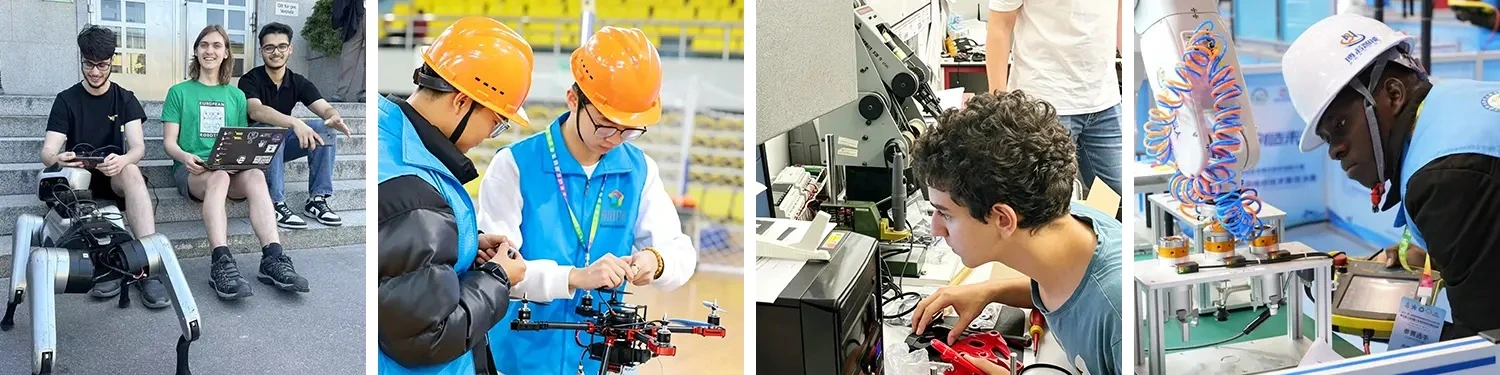
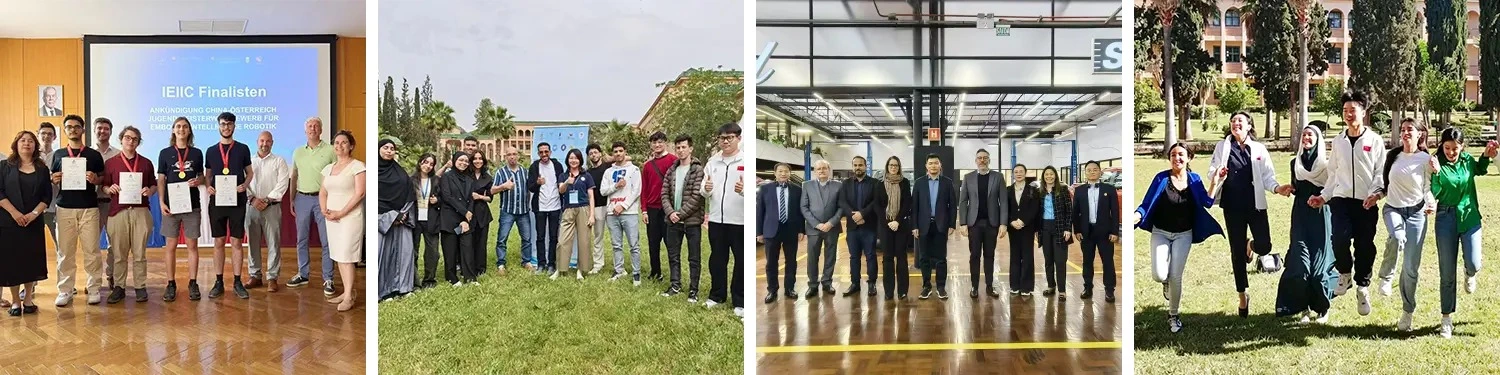
At ECR Academy, our product training programs are built on unparalleled expertise and resources. Here's what sets us apart:
- Since 2010, we've trained nearly 500,000 participants across 28 countries, with over 300,000 earning recognized skills certifications in cutting-edge fields
- Our 16 years of vocational training excellence means you receive instruction proven effective across diverse industrial contexts
- We've organized more than 150 skills competitions, giving 30,000+ learners hands-on experience with real-world product challenges
- You benefit from our network of 3,300+ industry experts and partnerships with 500+ enterprises who shape our curriculum to match current market demands
- Our 60,000+ educational resources—including standards, courseware, and assessment systems—ensure your learning covers everything from 3D product design to post-processing inspection
- Virtual simulation platforms allow you to master the complete additive manufacturing process before touching physical equipment
FAQ
Q: Can beginners study this program?
A: Yes. The program starts with foundational topics such as mechanical drawing and engineering materials, then guides learners step by step toward core additive manufacturing technologies. Basic mechanical knowledge and computer operation skills are recommended.
Q: What roles can learners pursue after completing the program?
A: After completing the training, learners can prepare for roles such as additive manufacturing product designer, additive manufacturing process engineer, additive manufacturing equipment operator, and additive manufactured product post-processing technician.

Contact Us
Ready to advance your skills in Additive Manufacturing Technology? We're here to help you succeed. Reach out to our team at ecr2008@enteredu.com to explore training solutions tailored to your goals.



_1781601799781.webp)