Can CNC Programming Training Boost Your Manufacturing Skills?
Yes, CNC programming training can significantly boost your manufacturing skills by bridging the gap between design intent and production execution. Through structured learning in Digital Design & Manufacturing Technology, professionals gain critical competencies in CAD/CAM integration, process simulation, and automated machining workflows. This training transforms theoretical knowledge into practical capability, enabling manufacturers to reduce cycle times, minimize errors, and adapt swiftly to complex production demands—essential advantages in today's competitive industrial landscape.
Understanding CNC Programming and Its Role in Modern Manufacturing
CNC programming is an important part of modern manufacturing systems because it helps them be more precise and consistent, which gives them a competitive edge. Computer Numerical Control (CNC) turns digital design files into machine-readable instructions that precisely control lathes, cutting tools, and milling heads down to the micron level. This automation gets rid of the differences that come with manual machining, making sure that every part exactly matches the engineering specs.
The digital model is made by computer-aided design, and the toolpaths are made by computer-aided manufacturing. CAD/CAM technologies are very important to modern CNC code. This combination speeds up the process from idea to production while cutting down on waste and downtime for machines. The National Institute of Standards and Technology (NIST) said in a study from 2023 that makers who used advanced CNC processes were able to cut the cost of prototyping by up to 35% compared to traditional methods.
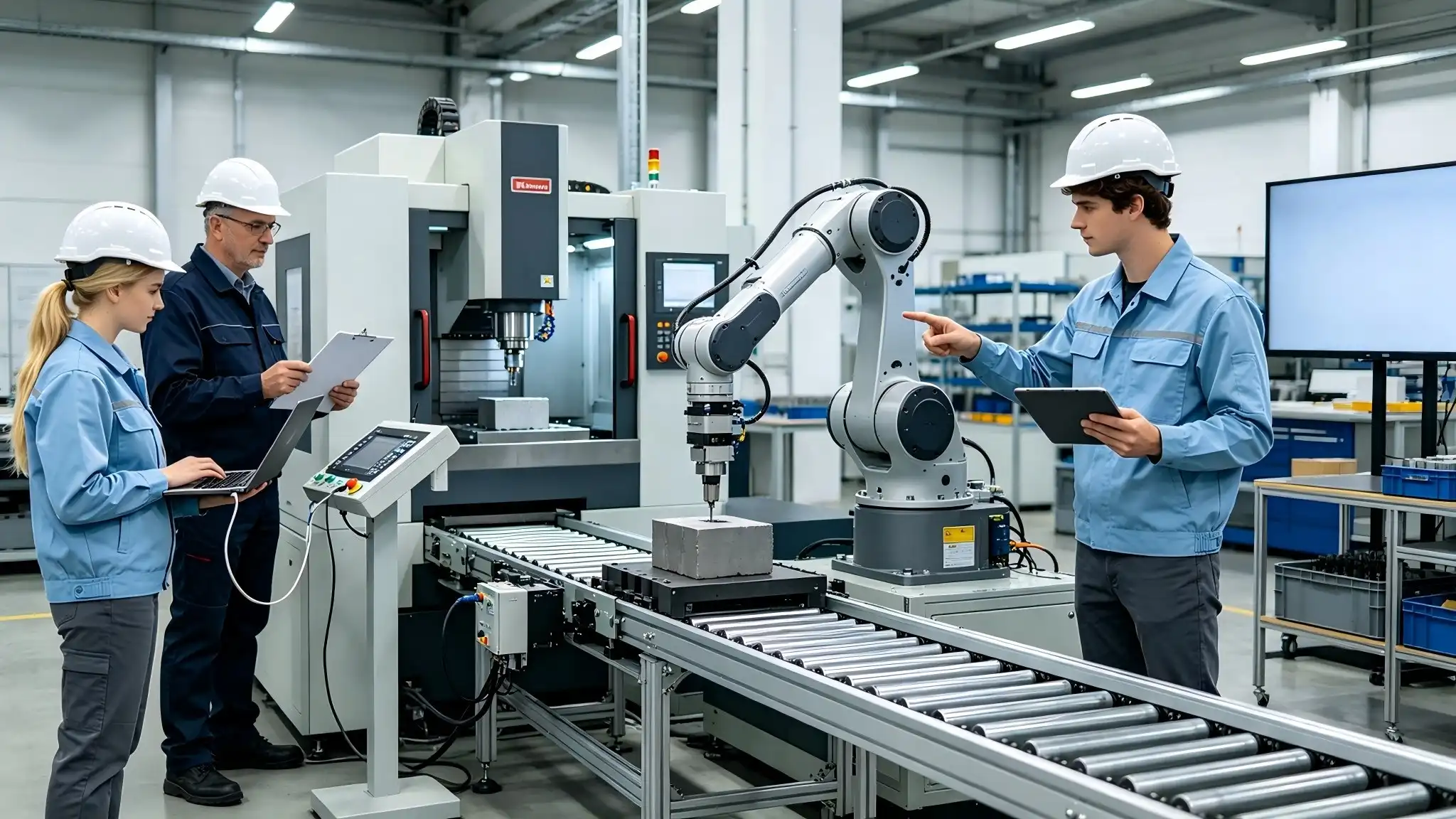

Why CNC Skills Matter Today
More and more, manufacturing leaders are realizing that CNC skills have a direct effect on quality and output measures. Professional engineers choose the best feedrates, pick out the right tools, and use modeling software to check machining processes before they are carried out in real life. Accidents, broken tools, and scrapped workpieces are regular problems that drive up production costs. This proactive method stops them before they happen.
Additionally, CNC programming works well with larger digital manufacturing systems. When CNC features are combined with Product Lifecycle Management (PLM) and Manufacturing Execution Systems (MES), they allow for monitoring production in real time and making decisions based on data. This connectivity helps with Industry 4.0 plans, which call for smart production lines that can change themselves based on data from sensors and quality analysis.
The Shift from Manual to Digital Workflows
Traditional manufacturing relied on skilled machinists operating machines by hand, which was slow and inconsistent because people aren't machines. These problems can be fixed with CNC code, which automates boring jobs while still letting you work with complicated shapes. Tolerances must be met for complex aircraft parts, medical implants, and car molds, and only digitally controlled systems can safely do this.
Moving to digital processes also makes it easier to grow. Manufacturers can use the same CNC program on multiple machines and production shifts without lowering the quality once it has been tested and proven to work. This ability to make copies is very helpful for B2B companies that handle large orders or lots of design changes.
How CNC Programming Training Addresses Industry Challenges
Manufacturing companies have long-term problems that are caused by a lack of skilled workers. A study from the Manufacturing Institute in 2022 found that 77% of manufacturers had trouble finding skilled CNC programmers, which had a direct effect on output plans and customer satisfaction. Because of these gaps, machines aren't being used to their full potential, wait times are longer, and mistakes happen more often. These are all problems that can be fixed by giving everyone thorough training.
Bridging the Knowledge Gap
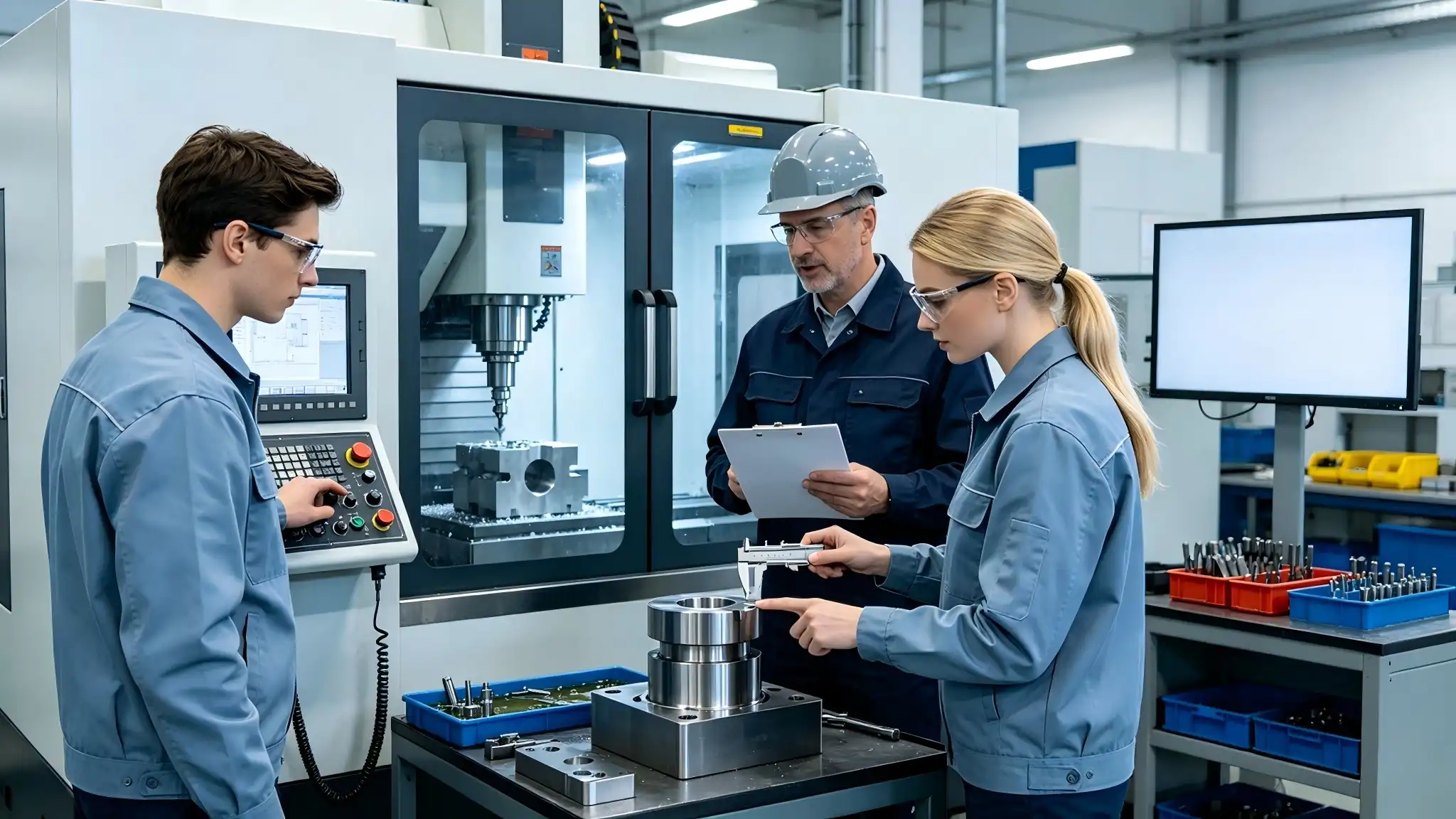
Fundamental theory and hands-on practice are both important parts of effective CNC computer training. Beginners start by learning the grammar of G-code and M-code, which are the basic computer languages that control how machines work. After that, they learn how to use CAD/CAM software, which lets them create parts, make toolpaths, and practice machining processes before they use real tools.
This two-pronged approach boosts both confidence and skill at the same time. In simulations, where mistakes don't cost anything, trainees see what happens when they choose the wrong feed rates or tools. By the time they operate real CNC machines, they are smart enough to figure out problems and make programs run better on their own.
Real-World Impact
Think about a medium-sized precision machining company that gave its operators structured CNC training. Within six months, the company saw a 28% drop in the amount of scrap and a 19% rise in the number of times machines were used. These improvements came from workers being able to spot inefficient programming and change settings on their own, instead of having to wait for managers to fix problems.
In a different case, a car seller was having a hard time with machines running into each other a lot while making complex molds. Over nine months, the number of collisions dropped by 62% after the company put its programming team through advanced simulation training. The team learned how to check online for mistakes in toolpath clearances, which caught them before they caused damage or slowed down production.
Addressing Specific Pain Points
Common problems are directly dealt with by training programs that are made to fit the needs of the business. Modular training lets workers improve their skills without having to take long breaks from the shop floor, which is good for manufacturers who want to keep the production line running. Companies that work with secret designs like live training that is kept secret and protects intellectual property while building up internal skills.
Digital manufacturing concepts are taught along with CNC skills to help students understand how programming fits into bigger production systems. They learn how to read MES schedule data, work with quality inspection teams using Coordinate Measuring Machines (CMMs), and contribute to efforts for continuous improvement. These are skills that make them more than just button-pushers and turn them into strategic players.
Key Benefits of CNC Programming Training for Procurement and Manufacturing Teams
Putting money into training in CNC programming pays off in a number of ways for the business. When procurement workers look at training programs, they should think about both short-term practical benefits and long-term strategic benefits.
Accelerated Product Development Cycles
Skilled CNC coders in Digital Design & Manufacturing Technology make it faster to go from acceptance of the design to production of the first item. They cut development times by a lot by quickly making accurate toolpaths and using simulations to make sure that machining strategies work. This skill is very important when you have to quickly respond to customer RFQs or launch new product lines.
Training programs that focus on CAD/CAM integration make it easy for engineers and manufacturers to share data. Instead of reading 2D drawings by hand, programmers import 3D solid models directly into CAM software. This gets rid of transcription errors and cuts setup time by 40% or more, according to research published in the Journal of Manufacturing Processes in 2021.
Cost Reduction Through Material Optimization
Skilled CNC programmers use nesting algorithms and adaptable toolpath techniques to get the most out of the materials they use. When cutting sheet metal or bar stock, the best nesting patterns keep waste from offcuts to a minimum. Adaptive roughing strategies clear material quickly and efficiently from complicated 3D parts while extending the life of the tools and lowering the cost of consumables.
A company that makes airplane brackets said it saved $180,000 a year after teaching its programmers advanced CAM methods. The money saved by buying less raw materials, fixing fewer broken cutting tools, and using less machine power is all due to learning better computing techniques through organized training.
Enhanced Production Flexibility
Customers' changes in specifications and small-batch sales need to be met quickly in today's markets. Teams that learn CNC programming can quickly change existing programs or make new ones without having to retool for a long time. This flexibility helps mass customization plans where each run of production is a little different from the last one.
By learning how to use parametric programming, producers can create template programs that change sizes automatically based on factors they are given. This method cuts down on programming time for product families by a huge amount, which makes small-lot production cost-effective that can't be done with traditional methods.
Choosing the Right CNC Programming Training and Software Tools
To choose the right training programs and software platforms, organizations need to carefully look at their strategy goals, current infrastructure, and training needs. Both how the training is delivered and the tools chosen have a big effect on the results.
Evaluating Training Program Options
There are different ways to learn how to program CNC machines, and each has its own benefits. Online classes give distributed teams the freedom to learn at their own pace and in their own time, which is great for workers who need to balance learning new skills with production duties. Usually, these programs have video lessons, simulations that you can interact with, and test sections that keep track of your progress as a learner.
On-site training gives students hands-on, equipment-specific training that is specifically designed to meet the needs of a company's machinery and production needs. Trainers work directly with participants on the shop floor and use real parts of production to show them how to do things. This kind of learning in the real world speeds up the transfer of skills and addresses problems that are unique to each facility that general courses might miss.
Standardized tests given by certification programs from well-known industry groups prove that people are qualified. Certifications like the National Institute for Metalworking Skills (NIMS) CNC Programming certification let clients and employers know that the person holding the certification meets certain standards of skill. Many companies tie pay raises to getting certified, which encourages employees to learn and grow.
Comparing Software Solutions
The best CAD/CAM tools each have their own strengths that make them better for different industrial situations. Autodesk Fusion 360 has cloud-based collaboration features that make it appealing to design teams that work in different places. Siemens NX, on the other hand, is great for high-complexity aircraft and automobile apps that need advanced surface modeling. Dassault Systèmes' SOLIDWORKS CAM integrates tightly with its popular CAD system, reducing learning curves for existing SOLIDWORKS users.
When purchasing software, procurement professionals should look at how many post-processors are available for their specific CNC machine brands, how accurate the simulations are for finding collisions, and how well they work with other PLM systems. Total cost of ownership includes more than just license fees. It also includes training costs, the need for IT infrastructure, and ongoing technical support. All of these things must be taken into account when comparing vendors.
Building Internal Expertise vs. Outsourcing
Companies have to make a smart decision between learning how to program CNC machines in-house and hiring expert service providers to do it for them in Digital Design & Manufacturing Technology. Building up internal expertise gives you more control, lets you make changes to production more quickly, and protects your secret methods. But it needs long-term investments in things like training, software rights, and keeping good employees.
Outsourcing works well for companies that don't make a lot of products or that only make a few highly specialized parts every so often. Programming service companies offer properly tested programs without the need for long-term job contracts because they have experience with a wide range of industrial processes and software platforms. The best method is usually a mix of the two: keeping core internal skills while selling projects with a lot of moving parts or high demand.
Future Trends in CNC Programming and Digital Manufacturing to Watch in 2024
Manufacturing technology changes quickly, and so do the ways that CNC programs are programmed. Keeping up with new trends helps businesses stay competitive and helps them decide where to put their training dollars.
Integration of Additive and Subtractive Manufacturing
A big step forward is hybrid manufacturing systems that use both CNC machining and additive processes. These machines use metal deposition to make parts with a near-net shape and then precision milling to finish off important parts—all in one setup. To program hybrid systems, you need to know both traditional subtractive toolpaths and additive build strategies. Unfortunately, not many training programs teach these skills in depth right now.
When manufacturers use hybrid technology, they can make parts with complicated shapes while using the least amount of material possible. It's now possible to make internal lattice structures, conformal cooling channels, and topology-optimized designs. These are useful in the aircraft, medical device, and machining industries. Hybrid manufacturing training programs get students ready for this convergence, putting them at the cutting edge of technology.
Cloud-Based CNC Platforms and Remote Monitoring
Connecting to the cloud changes CNC operations by letting program managers handle them from afar, analyze performance in real time, and send out alerts for planned maintenance. Programmers can check on the state of the machine from anywhere, upload updated programs right away, and look at past cycle time data to find ways to make things run more smoothly. A study from 2023 by McKinsey says that makers who used cloud-connected CNC systems saw 23% less unplanned downtime.
Because of this change, people need to learn new skills like how to interpret data and be aware of cybersecurity. Secure cloud access procedures, data privacy laws that affect production data, and analytical skills for getting useful information from machine feedback must all be covered in training programs. As IoT becomes more common in industry, these digital literacy skills become just as important as knowing how to do traditional machining.
Evolving Role Requirements for CNC Professionals
As technology changes, the CNC programmer's job changes from being a specialized expert to a collaborator who works with people from different departments. The modern practitioners work with design engineers to create new products, help quality improvement teams, and connect to ERP systems to plan materials. For this bigger job, you need more than just professional skills. You need to be able to communicate, think about processes, and understand business.
Through project-based learning scenarios, training programs that are on the cutting edge include these broader skills. Participants work through simulated production problems that require Contact with customers, budgeting, and teamwork between various areas. These experiences prepare them for how complicated manufacturing can be in the real world. When companies invest in this kind of all-around growth, they create flexible workers who can handle the constant changes in technology.
Conclusion
Training in CNC programming has real benefits for all aspects of manufacturing, from lowering the amount of waste to speeding up development cycles and letting production plans be more flexible. As Digital Design & Manufacturing Technology tools get better, there will be a huge difference between companies that have skilled programmers and those that don't. Manufacturers can take advantage of Industry 4.0 opportunities by strategically investing in comprehensive training programs, especially those that include broader digital manufacturing principles. These programs also help build resilient and flexible workforces. Most of the evidence points to training as a high-return project that should be a buying priority and be backed by the executive branch.
FAQ
1.How long does effective CNC programming training typically take?
The length of training depends on the learner's background and the goals of the program. For people who already know how to machine things, learning the basics of CNC programming takes 40 to 60 hours. This includes learning G-code, setup processes, and basic CAM operations. The full programs, which include advanced CAM, multi-axis cutting, and modeling, last between 120 and 200 hours. Training for a certification usually takes between 6 and 12 months of part-time work. Companies should make sure that the level of training is right for the job. For example, operators need to be able to do their job well, but committed coders need to have more advanced knowledge.
2.Can CNC training immediately improve our quality metrics?
As people learn new skills and use them, the quality of the work gets better within three to six months. Initial wins show up as fewer setup mistakes and fewer parts being thrown away because of mistakes in the code. As trainees get better at using simulation tools and more advanced methods, they make deeper changes to things like process consistency, surface finish optimization, and meeting tolerances. Tracking certain KPIs, like first-pass yield rates, measurement conformance percentages, and customer return rates, can help you figure out how much your training is worth and where more work needs to be done.
3.Which types of companies benefit most from CNC programming investment?
The biggest edge goes to manufacturers whose shapes are complicated, whose standards are tight, or whose designs change a lot. Aerospace component suppliers, medical device makers, precision mold makers, and custom machine shops all see returns right away. But even companies that make a lot of things can benefit from programming skills that help them get the best cycle times and tool life. Companies that are switching from manual machining to CNC automation need structured training to make sure they have the basic skills they need. When looking at efforts in worker development, B2B procurement teams that work with any of these areas should put CNC training at the top of the list.
Elevate Your Manufacturing Capability with Proven Training Solutions
To make great products, you need to do more than just buy expensive tools. You also need skilled workers who can quickly turn digital plans into precise parts. The Digital Design & Manufacturing Technology training programs at E.C.R. Academy are designed to help students develop just this skill. Our classes cover the whole production process, from the first CAD models to CNC code, running the production line, and checking the quality.
Since 2010, we've given professional training to almost 500,000 people in 28 countries and helped over 300,000 of them get accepted skills badges. Our unique method brings together college professors, engineers from the business world, and master teachers in project-based learning spaces with five different training platforms. Our solutions are flexible enough to fit the needs of any organization, whether it's a school looking for curriculum partnerships, a factory building up its own skills, or a training center adding more services.
Are you ready to improve your CNC programming skills? Get in touch with our team at ecr2008@enteredu.com to talk about unique training programs, platform licensing, or chances for white-label development. You can look at all of our Digital Design & Manufacturing Technology options at enteredu.com and learn how we help companies around the world build the workforce that Industry 4.0 needs. We are a trusted provider of Digital Design & Manufacturing Technology with 16 years of experience, and we are ready to help you change the way you make things.
References
1. National Institute of Standards and Technology (NIST). (2023). Advanced Manufacturing Series: Digital Manufacturing Economics.
2. The Manufacturing Institute. (2022). The Manufacturing Skills Gap and the Workforce Crisis.
3. Journal of Manufacturing Processes. (2021). CAD/CAM Integration Effects on Production Efficiency in Precision Manufacturing.
4. McKinsey & Company. (2023). Industry 4.0: How Digital Connectivity Transforms Manufacturing Performance.
5. SME (Society of Manufacturing Engineers). (2023). CNC Programming Best Practices and Training Guidelines.
6. American Machinist. (2022). The ROI of CNC Training: Quantifying Workforce Development Benefits.


_1781601799781.webp)