Automotive Electronic Technology Applications
Training Model: Project-based and scenario-based learning through school–enterprise cooperation
Faculty: Dual-qualified teachers with industry experience
Platform: Five training labs with BMS, in-vehicle network, and smart sensor systems
Outcome: Integrated training aligned with NEV and intelligent connected vehicle certifications
Target Partners: Enterprises, educational institutions, industry associations, and other organizations
Automotive Electronic Technology Applications
Course Overview
This course is designed for industries such as automotive parts and component manufacturing and intelligent in-vehicle equipment manufacturing. It prepares skilled technical personnel for automotive electronic product prototyping, finished product assembly, debugging, and quality inspection.
Learners study the knowledge and skills required for automotive mechanical structure and disassembly, automotive electrical structure and disassembly, automotive electronic product assembly and debugging, Automotive Electronic Technology Applications, and automotive electronic product inspection. The course develops core capabilities in assembly, debugging, testing, and inspection for automotive electronic products.
With automotive electronics technology as the core, the course responds to the development trends of electrification, intelligence, connectivity, and shared mobility in the automotive industry. It builds an integrated course system that connects theory and practice, job requirements, course learning, skills competitions, and vocational certification. The content covers conventional automotive electrical systems as well as new energy vehicle electronics, helping learners build practical skills and professional work habits for automotive electronics roles.
Why This Course?
1. Curriculum
Uses a modular structure built around assembly, debugging, testing, and inspection, closely aligned with skill requirements in the automotive electronics industry.
2. Organization
Supported by school-enterprise collaboration and delivered through project-based and scenario-based teaching that connects theory with hands-on practice.
3. Faculty
Delivered by a dual-qualified teaching team with enterprise practice experience, combining full-time and part-time instructors to support training quality.
4. Platform
Supported by five professional training laboratories equipped with power battery management training benches, vehicle network training benches, intelligent sensor training benches, and related equipment.
5. Outcomes
Connects with vocational certificate pathways such as NEV assembly, adjustment and testing, and intelligent connected vehicle testing and adjustment, supporting integrated course-certificate training.
What You Will Be Able to Do?
Automotive Electronic Product Assembly and Debugging
Core capability: Understand assembly processes and debugging methods for automotive electronic products, and complete manual soldering, assembly, and functional debugging tasks.
- Identify and test automotive electronic components correctly.
- Carry out manual PCB soldering and circuit board assembly according to process requirements.
- Complete assembly tasks for batteries, motors, computing platforms, intelligent sensors, and related products.
- Use debugging equipment to perform functional debugging and parameter calibration on assembled products.
Automotive Electronic System Testing
Core capability: Apply testing methods for automotive electrical systems and electronic control systems, diagnose common faults, and analyze test results.
- Test performance parameters and operating status of body electrical systems.
- Test sensors and actuators in engine, chassis, and body electronic control systems.
- Test vehicle network communication signals and data transmission.
- Use diagnostic tools to read and analyze fault codes.
Automotive Electronic Product Quality Inspection
Core capability: Apply quality inspection standards and methods for automotive electronic products, and complete inspection and testing tasks according to specifications.
- Perform appearance inspections such as wiring and cable tie checks and adhesive dispensing checks.
- Complete electrical performance tests such as static testing, safety compliance testing, and current injection testing.
- Carry out aging tests and complete system function tests.
- Determine whether product quality meets requirements and complete inspection records.
What You Will Learn?
|
Training Module
|
Content Description
|
|
Automotive Mechanical Structure and Disassembly
|
Engine and chassis composition and operating principles; disassembly and assembly of engines, chassis assemblies, and main components; structural features and disassembly processes of automotive mechanical systems.
|
|
Automotive Electrical Structure and Disassembly
|
Automotive electrical components such as batteries, power batteries, generators, starters, and control motors; disassembly and assembly of electrical equipment; performance testing.
|
|
Automotive Electronic Product Assembly and Debugging
|
Assembly and debugging of batteries, motors, computing platforms, and intelligent sensors; identification and testing of electronic components; manual soldering; circuit board assembly.
|
|
Automotive Electronic Product Inspection
|
Inspection items and methods including wiring and cable tie inspection, adhesive dispensing inspection, static testing, safety compliance testing, current injection testing, aging testing, and complete system testing.
|
|
Body Electrical System Testing
|
Structure and operating principles of body electrical systems; performance testing and fault judgment methods.
|
|
Automotive Electronic Control System Testing
|
Composition and operating principles of engine, chassis, and body electronic control systems; vehicle network technology; sensor and actuator testing techniques.
|
|
Electronic Control System Testing
|
Engine electronic control system testing, chassis electronic control system testing, and body electronic control system testing.
|
|
Vehicle Network Testing
|
CAN bus structure and protocol, LIN bus technology, basic automotive Ethernet, and use of network diagnostic tools.
|
|
Fault Diagnosis Technology
|
Fault code reading and clearing, data stream analysis, typical fault case analysis, and diagnostic report writing.
|
Training Environment
The course is supported by five professional training laboratories with teaching equipment and practical training workstations for automotive electronics technology training.
Automotive Electrical and Electronics Training Lab
Electrical and electronic comprehensive experiment benches, multimeters, oscilloscopes, electrical tool kits, and signal generators.
Automotive Mechanical Training Lab
Engine disassembly training benches, transmission disassembly training benches, suspension disassembly training benches, drive axle assemblies, and common disassembly tools.
Automotive Electrical Training Lab
Automotive electrical equipment assembly demonstration boards, power battery comprehensive management training benches, drive motor comprehensive training benches, full-vehicle wiring harness training benches, and intelligent sensor training benches.
Automotive Electronic Product Assembly, Debugging and Inspection Lab
Assembly workbenches, multimeters, oscilloscopes, signal generators, debugging equipment, soldering tool kits, and reflow soldering machines.
Automotive Electronic Control System Testing Lab
Engine electronic control system training benches, chassis electronic control system training benches, body electronic control system training benches, vehicle network training benches, and diagnostic scanners.
Company Strength
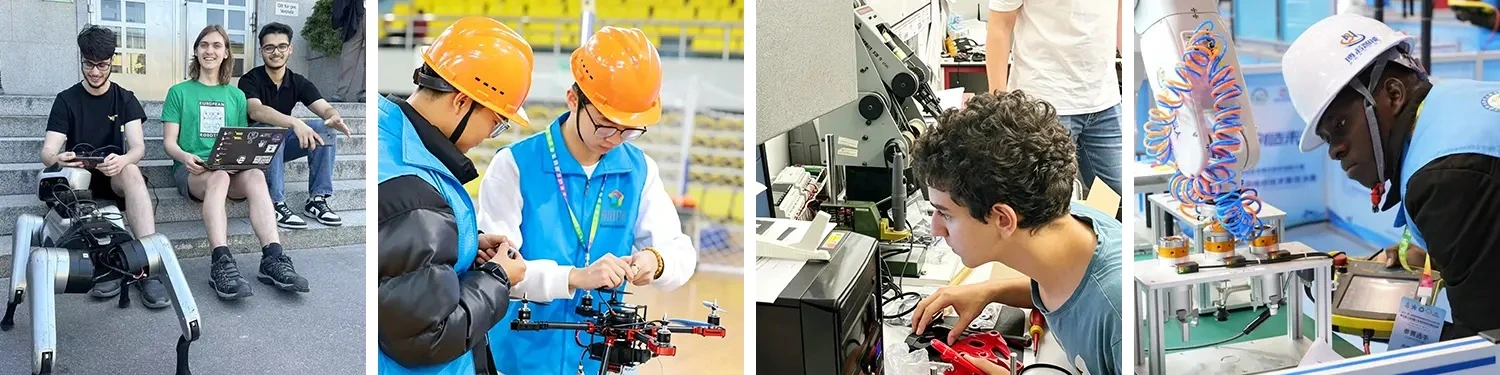
At ECR Academy, our Automotive Electronic Technology Applications training program is built on 16 years of proven expertise in vocational education. Here's what sets us apart:
- We've trained nearly 500,000 participants across 29 countries since 2010, with over 300,000 earning industry-recognized certifications in emerging automotive technologies
- Our program features five specialized training labs equipped with BMS systems, in-vehicle network platforms, and smart sensor technologies that mirror real-world automotive electronic environments
- You'll learn from a network of 3,300+ industry and academic experts who bring hands-on experience in ADAS, intelligent cockpit systems, and vehicle connectivity solutions
- We've organized 150+ skills competitions, helping 30,000+ learners master complex automotive electronic systems through practical, scenario-based challenges
- Our educational ecosystem includes 60,000+ resources—from skill standards to assessment systems—developed in partnership with 500+ leading automotive enterprises

FAQ
Q: What is the training objective of this course?
A: The course prepares skilled technical personnel for industries such as automotive parts and component manufacturing and intelligent in-vehicle equipment manufacturing. Learners develop capabilities for automotive electronic product prototyping, finished product assembly, debugging, and quality inspection. The course also connects with vocational certificate pathways such as NEV assembly, adjustment and testing, and intelligent connected vehicle testing and adjustment.
Q: Does the course cover new energy vehicle technology?
A: Yes. The course integrates new energy vehicle and intelligent connected vehicle technologies, including power battery management, drive motor control, intelligent sensor assembly and adjustment, and vehicle network communication. These topics reflect the electrification and intelligence trends in the automotive industry.
Q: What roles can learners pursue after completing the course?
A: Learners can prepare for automotive electronics-related roles such as automotive electronic product prototyping, finished product assembly, debugging, and quality inspection. Related fields include automotive parts and component manufacturing and intelligent in-vehicle equipment manufacturing.

Contact Us
Ready to advance your skills in Automotive Electronic Technology Applications? Reach out to our team at ecr2008@enteredu.com to explore training solutions tailored for you.




_1781601799781.webp)