New Energy Vehicle Electrical Technology
System: Three-electric systems and vehicle electrical control
Faculty: Industry engineers and academic experts
Platform: Vehicle electrical diagnosis and commissioning training platform
Outcomes: Build practical, job-ready skills aligned with real new energy vehicle industry needs
Target Partners: Enterprises, educational institutions, industry associations, and other organizations
New Energy Vehicle Electrical Technology
Course Overview
This course focuses on electrical technology for new energy vehicles in New Energy Vehicle Electrical Technology, with structured training in the three-electric system—power battery, drive motor, and electronic control—and whole-vehicle electrical control. It covers high-voltage and low-voltage electrical systems, the Vehicle Control Unit (VCU), Motor Control Unit (MCU), Battery Management System (BMS), DC/DC converter, On-Board Charger (OBC), wiring harness testing, controller debugging, and electrical fault diagnosis.
The theory component covers NEV electrical system architecture, high-voltage safety, electrical operating principles, and diagnostic methods. Practical training includes electrical system testing, controller parameter configuration, fault diagnosis, and troubleshooting. Learners build practical skills for electric vehicle development, production, inspection, service, and maintenance roles.
Why This Course?
1. Curriculum
Combines theory, hands-on practice, and project-driven learning around real NEV electrical system testing and diagnostic tasks.
2. Coverage
Covers power battery systems, drive motor systems, electronic control systems, and whole-vehicle electrical control technologies.
3. Faculty
Delivered by enterprise engineers and academic instructors, combining field experience with structured technical training.
4. Platform
Supports integrated practical training for whole-vehicle electrical system diagnosis, controller debugging, and fault troubleshooting.
5. Outcomes
Builds practical skills for NEV electrical system testing, controller calibration, fault diagnosis, maintenance, and technical service roles.
What You'll Be Able to Do?
This course is aligned with core skill requirements in the new energy vehicle industry, covering the full workflow from electrical system understanding to testing, controller debugging, fault diagnosis, and safe operation.
1. Electrical System Understanding and Testing
- Explain the structure, operating principles, and working characteristics of the power battery, drive motor, and electronic control systems.
- Interpret whole-vehicle electrical architecture and the connection relationship between high-voltage and low-voltage systems.
- Perform electrical parameter measurement, insulation testing, and wiring harness inspection.
2. Vehicle Control Unit (VCU) Debugging
- Configure and debug VCU functions such as sensor signal acquisition and diagnosis, driver intention interpretation, brake priority, vehicle status management, gear management, high-voltage power-on sequence control, and torque management.
- Verify coordinated operation between the VCU and related vehicle subsystems.
- Diagnose and repair common VCU faults through parameter checking and system testing.
3. Fault Diagnosis and Troubleshooting
- Use diagnostic equipment to read fault codes and analyze data streams.
- Troubleshoot typical electrical faults, including high-voltage insulation faults, low-voltage power supply faults, controller communication faults, and sensor faults.
- Analyze electrical system faults systematically and complete repair verification tasks.
4. Standard Operation and Safety Protection
- Follow high-voltage safety procedures and use protective equipment correctly.
- Perform standardized operation and basic emergency response tasks.
- Carry out high-voltage system power-off, voltage verification, and discharge procedures safely.
What You Will Learn?
|
Training Skills
|
Content Description
|
|
1. High-Voltage System Safety Operation
|
Learn high-voltage safety knowledge for new energy vehicles.
Practice high-voltage power-off, voltage verification, and discharge procedures, and use protective equipment such as insulated gloves, insulated shoes, and safety goggles.
The module builds safe operating awareness and standardized operation habits for high-voltage systems.
|
|
2. Whole-Vehicle Electrical System Understanding
|
Study the overall electrical architecture of new energy vehicles, including the composition and connection relationship of high-voltage and low-voltage systems.
Learn the structure, operating principles, and working characteristics of the three-electric system: power battery, drive motor, and electronic control.
|
|
3. VCU Debugging
|
Study the function and operating logic of the Vehicle Control Unit (VCU), including sensor signal acquisition and diagnosis, driver intention interpretation, brake priority, vehicle status management, gear management, high-voltage power-on sequence control, and torque management.
Complete VCU parameter configuration and debugging to support coordinated vehicle operation.
|
|
4. MCU Debugging
|
Learn the function and operating principles of the Motor Control Unit (MCU), including motor drive control and disconnection detection.
Complete MCU parameter configuration and debugging to support normal motor operation, and practice fault diagnosis and repair methods for motor controllers.
|
|
5. BMS Debugging
|
Study the Battery Management System (BMS), including battery status monitoring, balancing management, thermal management, and safety protection.
Complete BMS parameter configuration and debugging to support safe and reliable power battery operation.
|
|
6. DC/DC Converter Testing
|
Learn the operating principles and functions of the DC/DC converter and the process of converting high-voltage DC power to low-voltage DC power.
Perform DC/DC converter performance testing and fault diagnosis to ensure stable low-voltage system power supply.
|
|
7. On-Board Charger (OBC) Testing
|
Study the operating principles and functions of the On-Board Charger (OBC), including AC charging processes and charging control strategies.
Complete OBC performance testing and fault diagnosis to support normal charging system operation.
|
|
8. High-Voltage Wiring Harness Testing
|
Learn the structure and connection methods of high-voltage wiring harnesses.
Practice insulation testing, continuity testing, and contact resistance measurement, and complete performance testing and fault localization for high-voltage harness systems.
|
|
9. Low-Voltage Wiring Harness Testing
|
Learn the structure and connection methods of low-voltage wiring harnesses.
Practice continuity testing, short-circuit testing, and poor-contact detection, and complete low-voltage harness performance testing and fault diagnosis.
|
|
10. High-Voltage System Insulation Fault Diagnosis
|
Learn diagnostic methods for high-voltage insulation faults, including insulation resistance measurement for the power battery high-voltage bus, drive motor phase lines, and compressor high-voltage bus.
Practice fault localization and repair procedures for high-voltage electrical safety issues.
|
|
11. Controller Communication Fault Diagnosis
|
Learn diagnostic methods for whole-vehicle controller communication faults, including CAN bus signal testing, controller communication status monitoring, fault localization, and repair.
The module builds systematic analysis skills for communication faults in vehicle electrical systems.
|
|
12. Sensor Fault Diagnosis
|
Learn diagnostic methods for temperature sensors, position sensors, current sensors, and related components.
Practice sensor signal testing, resistance measurement, fault point identification, and repair procedures for sensor-related faults.
|
Learning Environment
The platform builds a technical workflow from electrical system understanding to testing, debugging, and fault diagnosis. The electrical system learning platform focuses on the three-electric system and whole-vehicle electrical architecture. The testing and debugging platform supports parameter configuration and debugging of core components such as the VCU, MCU, BMS, DC/DC converter, and OBC, helping learners understand whole-vehicle electrical control technologies.
The fault diagnosis platform simulates typical scenarios such as high-voltage insulation faults, low-voltage power supply faults, controller communication faults, and sensor faults. It supports training from fault code identification to mechanism analysis and fault localization.
Together, these platforms form an integrated training system covering system understanding, testing and debugging, and fault diagnosis for key areas of new energy vehicle electrical technology. The platform uses virtual simulation technology and smart terminal operation, allowing learners to practice in highly simulated environments and combine online learning with repeated simulation-based training.
Company Strength
At ECR Academy, our New Energy Vehicle Electrical Technology training programs are built on deep industry expertise and global reach. Here's what sets us apart:
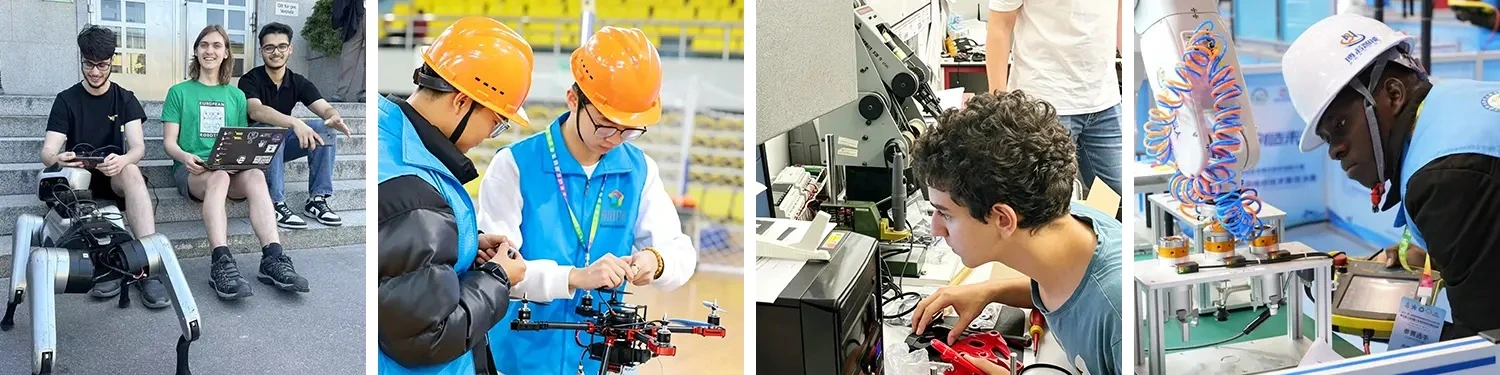
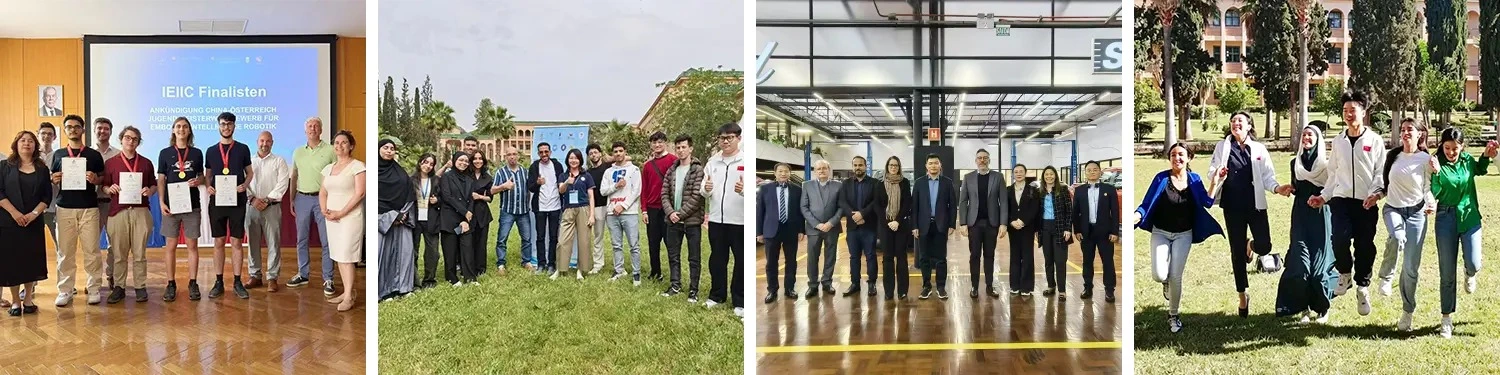
- We've delivered professional training to nearly 500,000 participants across China and 28 countries, with over 300,000 earning recognized skills certifications since 2010
- Our 16 years of specialized experience in skills education ensures you receive future-ready training aligned with real industry demands
- We've organized more than 150 domestic and international skills competitions, helping over 30,000 learners master product through hands-on challenges
- You'll learn from our network of 3,300+ industry engineers and academic experts who understand the latest advances in power electronics, BMS, MCU, and VCU systems
- Our comprehensive ecosystem includes partnerships with 500+ enterprises and over 60,000 educational resources—from skill standards to assessment systems—ensuring your training reflects current market needs
Our project-based curriculum combines theory with practical diagnostics on vehicle electrical platforms, preparing you for real-world roles in the rapidly evolving EV sector.
FAQ
Q: Can beginners take this course?
A: Yes. The course combines theory with practice and starts with basic electrical principles for new energy vehicles. It then moves step by step into core electrical technologies. Basic knowledge of electrical and electronic systems, mechanical fundamentals, and computer operation is recommended.
Q: What job roles can learners pursue after completing the course?
A: Learners can prepare for roles such as:
- NEV Electrical System Testing Engineer
- Vehicle Control Unit Debugging Engineer
- Electrical System Fault Diagnosis Engineer
- New Energy Vehicle Maintenance Technician
- EV After-Sales Service Technician
- NEV Electrical System R&D Engineer
Q: How is the platform deployed?
A: The platform uses virtual simulation technology with smart terminals as the operating environment. Learners can complete virtual simulation training through software on a computer that meets the required configuration, such as Windows 10, 8 GB RAM or above, and a dedicated graphics card. The platform supports online learning and simulation practice, helping learners connect theory with practical operation.

Contact Us
Ready to advance your expertise in New Energy Vehicle Electrical Technology? Reach out to ECR Academy at ecr2008@enteredu.com to explore our training solutions today.

 Engineering Technolog_1782984752055.webp)


_1781601799781.webp)