Rehabilitation Therapy Technology
Standards: Aligned with vocational education standards and rehabilitation therapy job requirements
Faculty: Dual-qualified teachers + hospital specialists
Platform: Eight training labs covering assessment, therapy, speech, TCM rehabilitation, and assistive devices
Outcome: Rehabilitation skills and certificate pathways
Target Partners: Enterprises, educational institutions, industry associations, and other organizations
Rehabilitation Therapy Technology
Course Overview
This course focuses on the digital, networked, and intelligent development trends in rehabilitation healthcare in Rehabilitation Therapy Technology. Oriented toward the rehabilitation therapist profession within the health and social work sector, the program helps learners develop foundational and practical competencies in physical therapy, occupational therapy, and speech-language therapy. The curriculum covers foundational courses, including:
- Human Anatomy
- Physiology
- Human Kinesiology
- Introduction to Rehabilitation Medicine
Seven core professional courses:
- Rehabilitation Assessment Techniques
- Therapeutic Exercise Techniques
- Physical Agents Therapy Techniques
- Occupational Therapy Techniques
- Speech-Language Therapy Techniques
- Traditional Chinese Medicine Rehabilitation Techniques
- Rehabilitation of Common Diseases
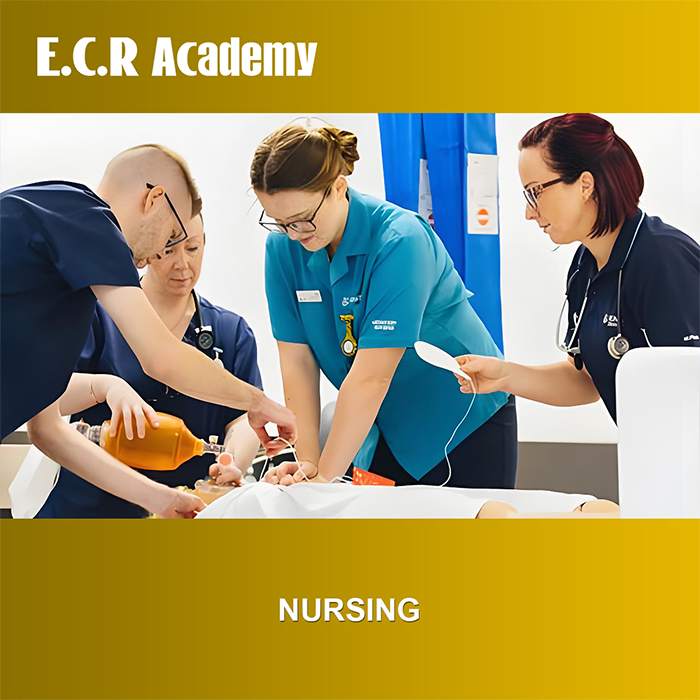
Through project-based and scenario-based instruction, supported by eight specialized training labs and clinical internship sites, learners systematically acquire core competencies in rehabilitation assessment, therapeutic exercise, physical agents therapy, occupational therapy, speech-language therapy, and TCM rehabilitation—laying a solid foundation for careers in rehabilitation healthcare.
Why This Course?
1.Curriculum
Grounded in rehabilitation healthcare industry standards, covering core skill modules including rehabilitation assessment, therapeutic exercise, physical agents therapy, occupational therapy, speech-language therapy, and TCM rehabilitation, with tight integration of theory and practice.
2.Pedagogy
Following higher vocational education standards for specialty programs, aligned with job requirements in physical therapy, occupational therapy, and speech-language therapy, to develop high-quality rehabilitation professionals.
3.Faculty
Over 60% of instructors hold dual academic-clinical qualifications; full-time faculty possess practical experience in rehabilitation institutions, and industry mentors are senior technical professionals from hospital rehabilitation departments.
4.Platform
Eight fully equipped training labs—Human Kinesiology, Rehabilitation Assessment, Therapeutic Exercise, Physical Agents Therapy, Occupational Therapy, Speech-Language Therapy, TCM Rehabilitation, and Rehabilitation Assistive Devices—with comprehensive equipment and facilities.
5.Outcomes
Aligned with rehabilitation therapist professional standards. Eligible learners may apply for or take health professional technical qualification examinations and related specialty certifications, subject to local regulatory, examination, and program requirements.
What You'll Be Able to Do?
1. Perform Rehabilitation Assessment
- Conduct basic physiological measurements, anthropometric measurements, range of motion (ROM) assessment, manual muscle testing, and muscle tone assessment
- Assess balance and coordination, perform gait analysis, sensory assessment, pain assessment, and activities of daily living (ADL) evaluation
- Implement patient-centered rehabilitation assessment and develop individualized rehabilitation plans
2. Deliver Therapeutic Exercise
- Apply ROM exercises, joint mobilization, muscle strengthening, and balance and coordination training
- Conduct wheelchair training, gait training, and respiratory function training
- Select appropriate therapeutic exercise methods based on patient functional impairments and perform training safely and proficiently
3. Administer Physical Agents Therapy
- Apply common physical agents in clinical practice and operate standard physical therapy equipment
- Administer electrotherapy, phototherapy, cryotherapy, thermotherapy, magnetotherapy, hydrotherapy, and pressure therapy
- Select appropriate physical agent therapy methods based on patient functional impairments
4. Provide Occupational Therapy
- Identify indications and contraindications for occupational therapy and apply occupational therapy frameworks
- Design and implement individualized occupational training programs based on patient functional impairments
- Instruct patients in the use of orthoses and walking aids, and guide home environment modification design
5. Deliver Speech-Language Therapy
- Assess and treat aphasia, dysarthria, voice disorders, and dysphagia
- Assess and treat language development delay in children
- Develop evidence-based training plans based on assessment results and guide patients through therapeutic exercises
6. Apply TCM Rehabilitation Techniques
- Locate commonly used meridian pathways and acupoints and identify their clinical indications
- Perform Tuina massage, moxibustion, Gua Sha, cupping, and traditional exercise therapies
- Select appropriate TCM rehabilitation methods based on patient functional impairments
What You Will Learn?
|
Training Skills
|
Content
|
|
1. Rehabilitation Assessment Techniques
|
Study basic physiological measurements, anthropometric measurements, ROM assessment, manual muscle testing, muscle tone assessment, balance and coordination assessment, gait analysis, sensory assessment, pain assessment, and ADL evaluation.
Implement rehabilitation assessment and develop rehabilitation plans.
|
|
2. Therapeutic Exercise Techniques
|
Study ROM exercises, joint mobilization, muscle strengthening, balance and coordination training, wheelchair training, gait training, and respiratory function training.
Select appropriate therapeutic exercise methods based on patient functional impairments.
|
|
3. Physical Agents Therapy Techniques
|
Study electrotherapy, phototherapy, ultrasound therapy, magnetotherapy, functional electrical stimulation (FES), conductive heat therapy, cryotherapy, and traction therapy.
Master the operation of standard physical therapy equipment.
|
|
4. Occupational Therapy Techniques
|
Study indications and contraindications for occupational therapy, activity analysis, occupational training program design, orthosis and walking aid instruction, and home environment modification design
|
|
5. Speech-Language Therapy Techniques
|
Study assessment and treatment of aphasia, dysarthria, voice disorders, dysphagia, and language development delay in children.
Develop training plans based on assessment results and guide patients through exercises.
|
|
6. TCM Rehabilitation Techniques
|
Study meridian and acupoint knowledge, Tuina massage, moxibustion, Gua Sha, cupping, and traditional exercise therapies.
Select appropriate TCM rehabilitation methods based on patient functional impairments.
|
|
7. Rehabilitation of Common Diseases
|
Study rehabilitation assessment and treatment methods for functional impairments caused by common clinical conditions and injuries.
Deliver targeted comprehensive rehabilitation programs.
|
Learning Environment
The program provides eight specialized training labs with equipment and facilities aligned with real clinical scenarios:
Human Kinesiology Lab — Equipped with full-body anatomical models, skeletal models, muscular models, and 3D anatomy software.
Rehabilitation Assessment Lab — Equipped with handgrip dynamometers, goniometers, exercise ECG testing systems, balance assessment and training systems, and cognitive assessment and training systems.
Therapeutic Exercise Lab — Equipped with PT treatment tables, multi-position manual therapy tables, parallel bars, wheelchairs, muscle strengthening equipment, electric tilt tables, ergometers, and continuous passive motion (CPM) devices.
Physical Agents Therapy Lab — Equipped with electrotherapy, phototherapy, ultrasound therapy, magnetotherapy, and traction devices.
Occupational Therapy Lab — Equipped with OT comprehensive training stations, sanding tables, hand function trainers, and simulated home living units.
Speech-Language Therapy Lab — Equipped with speech disorder rehabilitation assessment and training systems, and dysphagia electrical stimulation therapy devices.
TCM Rehabilitation Lab — Equipped with meridian and acupoint models, massage tables, moxibustion boxes, and cupping sets.
Rehabilitation Assistive Devices Lab — Equipped with digitally controlled constant-temperature water tanks, orthoses, and prostheses.
Clinical internship sites include rehabilitation departments of Grade II-A or above general hospitals and specialized rehabilitation hospitals, with a cumulative internship duration of no less than eight months.
All clinical procedures and therapeutic techniques are taught and practiced in training or clinical internship settings under qualified supervision and in accordance with local healthcare regulations.
Company Strength
At ECR Academy, our Rehabilitation Therapy Technology training solutions are built on proven global expertise. Here's what sets us apart:
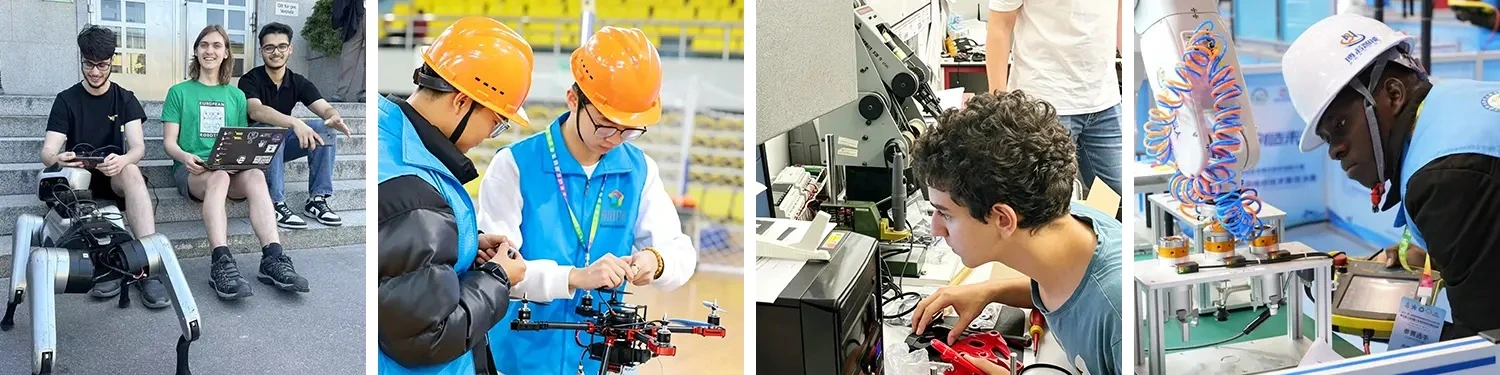
- We've delivered professional training to nearly 500,000 participants across 28 countries since 2010, with over 300,000 earning recognized skills certifications
- Our curriculum covers six core areas: rehabilitation assessment, exercise therapy, physical therapy, occupational therapy, speech therapy, and TCM rehabilitation—all aligned with current vocational standards
- You'll learn from dual-qualified instructors and hospital specialists, backed by our network of 3,300+ industry experts
- We provide access to eight specialized training labs equipped for assessment, therapy, speech, TCM rehabilitation, and assistive device practice
- Our 16 years of experience in skills education means you gain practical, market-ready competencies through real-world challenges
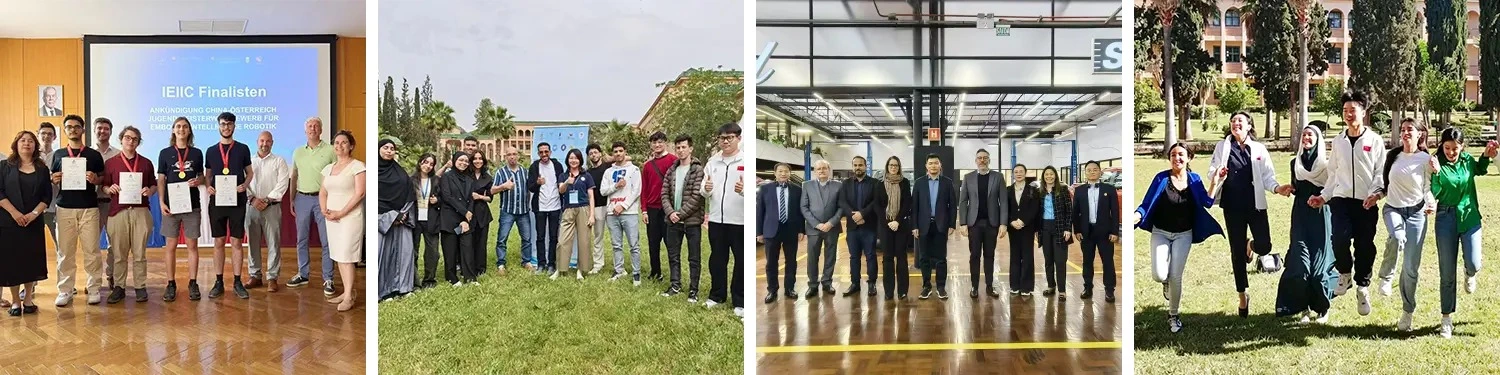
- We've organized over 150 skills competitions, helping 30,000+ learners enhance their technical capabilities in rehabilitation technology and related fields
FAQ
Q: Can I study this program with no prior background?
A: The program is open to graduates of secondary vocational schools, general senior high schools, or those with equivalent qualifications. Basic knowledge of biology is recommended. The curriculum follows a step-by-step approach, progressing from foundational theory to practical operations. Learners with no prior background can acquire core competencies through dedicated study.
Q: What career paths does this program prepare me for?
A: Learners can develop skills relevant to rehabilitation-related career pathways in physical therapy, occupational therapy, and speech-language therapy settings. Employment settings include rehabilitation departments of general hospitals, specialized rehabilitation hospitals and centers, community health service centers, and elderly care institutions. Graduates are eligible to obtain health professional technical qualifications and certifications in home health massage, dementia elderly care, and related specialties.
Q: How is practical training organized?
A: Practical training accounts for no less than 50% of total instructional hours, including on-campus lab training and clinical internships. Cumulative clinical internship duration is no less than eight months, conducted at rehabilitation departments of Grade II-A or above general hospitals and specialized rehabilitation hospitals. Dedicated internship supervisors provide guidance and oversight throughout the placement.
Contact Us
Ready to advance your rehabilitation therapy expertise with Rehabilitation Therapy Technology? Connect with ECR Academy today at ecr2008@enteredu.com to explore our training programs and partnership opportunities.





_1781601799781.webp)