New Energy Vehicle Detection & Maintenance Technology
Standards: Aligned with international technical skills standards
Faculty: Industry engineers and academic experts
Platform: Integrated virtual simulation platform for drive motor system disassembly, commissioning, and fault diagnosis
Outcomes: Build practical, job-ready skills aligned with real new energy vehicle industry needs
Target Partners: Enterprises, educational institutions, industry associations, and other organizations
New Energy Vehicle Detection & Maintenance Technology
Course Overview
This course focuses on NEV drive motor systems and electronic control technologies in New Energy Vehicle Detection & Maintenance Technology. Built around an integrated eight-in-one electric powertrain platform, the course covers key components including drive motors, motor controllers, DCDC systems, OBC, PDU, BMS, and VCU technologies used in modern new energy vehicles.
The course combines theoretical learning with hands-on practical training. Learners study drive motor systems, power battery systems, vehicle electrical systems, intelligent connected vehicle technologies, and NEV safety standards. Practical training includes powertrain disassembly and assembly, controller adjustment, drive motor calibration, static testing, and troubleshooting of common system faults.
Training tasks cover real maintenance and testing scenarios, including resolver faults, insulation faults, overtemperature faults, communication issues, phase loss faults, and cooling system failures. Through workshop-based projects and system-level diagnostics, learners build practical skills for NEV testing, maintenance, production, and technical service roles.
Why This Course?
1. Curriculum
Learn through practical projects that combine technical knowledge with real maintenance and testing tasks.
2. Organization
Designed in line with international technical standards and current NEV industry practices.
3. Faculty
Delivered by industry engineers and instructors with experience in NEV systems and automotive technologies.
4. Platform
Train on a virtual simulation and practical training platform covering drive motor system assembly, adjustment, testing, and fault diagnosis.
5. Outcomes
Build practical skills for technical roles in NEV testing, maintenance, manufacturing, and service.
What You'll Be Able to Do?
This course is designed around real NEV maintenance and testing workflows, covering practical skills from system disassembly to fault diagnosis and safety operation.
1. Drive Motor System Testing and Analysis
- Understand the operating principles of permanent magnet synchronous motors, induction motors, and switched reluctance motors.
- Apply motor control methods such as vector control and direct torque control.
- Perform motor zero-position calibration and parameter adjustment.
- Conduct insulation testing, phase-to-phase resistance testing, and sensor inspection.
2. Powertrain Disassembly, Assembly, and Adjustment
- Perform high-voltage power-off procedures safely.
- Disassemble and assemble electric powertrain systems.
- Remove and reconnect electrical and mechanical components.
- Complete assembly and adjustment tasks for integrated drive controller and transmission systems.
- Perform component cleaning and precision measurement tasks
3. Fault Diagnosis and Troubleshooting
- Use diagnostic tools to read fault codes and analyze data streams.
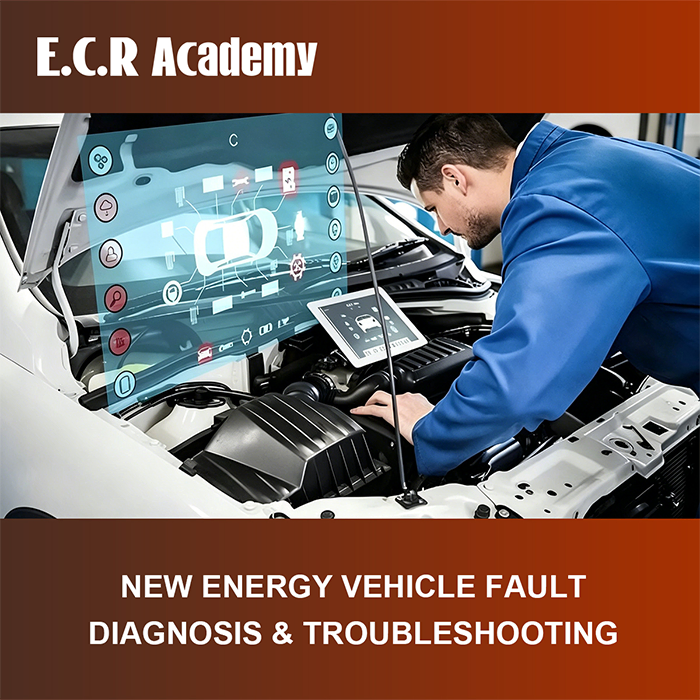
- Diagnose resolver faults, insulation faults, overtemperature faults, and cooling system failures.
- Troubleshoot communication interruptions, collision signal faults, and phase loss faults.
- Verify repair results through testing and system inspection.
4. Standardized Operation and Safety Protection
- Follow NEV high-voltage safety procedures.
- Use electrical safety protection equipment correctly.
- Perform standardized maintenance and inspection operations.
- Respond to emergency situations in workshop environments.
What You Will Learn?
|
Training Skills
|
Description
|
|
1. Powertrain Disassembly and Assembly
|
Learn how to safely disassemble and assemble NEV powertrain systems.
Training tasks include high-voltage power-off procedures, electrical connection removal, coolant line disconnection, mounting system operations, and powertrain installation. Develop practical skills in high-voltage safety operation and standardized assembly procedures.
|
|
2. Eight-in-One Drive Controller Disassembly and Assembly
|
Learn how integrated electric drive systems are structured and assembled.
Complete tasks such as drive motor end cover removal, busbar harness disassembly and assembly, and controller installation.
Understand high-voltage connection standards and integrated powertrain system design.
|
|
3. Transmission Disassembly and Assembly
|
Perform transmission disassembly and assembly tasks including lubricant draining, shaft removal and installation, gearbox inspection, and lubricant refilling.
Learn reducer transmission principles, gear structures, and torque control procedures.
|
|
4. Drive Motor Zero-Position Calibration
|
Learn how to perform drive motor zero-position calibration using diagnostic tools and OBD interfaces.
Training covers ECU inspection, data stream reading, controller diagnostics, and calibration procedures for motor control systems.
|
|
5. Transmission Component Cleaning and Measurement
|
Clean and inspect transmission components using standard workshop procedures.
Use precision measuring tools such as vernier calipers, depth gauges, and height gauges to measure component dimensions and select adjustment shims.
|
|
6. Drive System Static Testing
|
Perform insulation testing, phase-to-phase resistance testing, and resolver sensor inspection using multimeters and insulation testers.
Learn standard methods for evaluating drive motor electrical performance.
|
|
7. Drive Motor Resolver Fault Diagnosis
|
Diagnose resolver-related faults through data analysis, resistance testing, and diagnostic procedures.
Learn how to inspect low-voltage harness connections, analyze fault codes, and verify repair results.
|
|
8. Insulation Fault Detection
|
Learn how to detect insulation faults in high-voltage systems.
Perform insulation resistance testing on battery systems, compressors, and drive motor circuits, and identify fault locations through diagnostic procedures.
|
|
9. Overtemperature Fault Diagnosis
|
Diagnose drive motor and controller overtemperature faults by inspecting cooling systems, coolant circulation, temperature sensors, and electrical components.
Analyze fault causes and complete repair verification tasks.
|
|
10. Collision Signal Fault Diagnosis
|
Learn how to diagnose collision signal faults in drive motor control systems.
Perform connector inspection, voltage measurement, and signal analysis to identify and repair faults.
|
|
11. Drive Motor Phase Loss Fault Diagnosis
|
Diagnose motor phase loss faults through phase resistance measurement and circuit inspection.
Learn how to locate and repair electrical faults in drive motor systems.
|
|
12. Cooling System Fault Diagnosis
|
Inspect cooling system electrical components, including high-voltage fuses, water pumps, connectors, and control signals.
Learn fault detection and troubleshooting methods for auxiliary cooling systems.
|
Learning Environment
Train on an integrated NEV drive motor and control technology platform covering system disassembly, testing, and fault diagnosis.
The virtual simulation platform supports hands-on training for powertrain systems, controllers, and transmission components. Learners perform disassembly, assembly, inspection, and adjustment tasks in simulated workshop environments.
The static testing platform supports insulation testing, phase-to-phase resistance testing, and sensor inspection for drive motor systems. Learners use diagnostic tools and measuring equipment to evaluate motor performance and electrical safety conditions.
The fault diagnosis platform simulates common NEV drive system faults, including resolver faults, insulation faults, overtemperature faults, phase loss faults, collision signal faults, and cooling system failures. Learners perform fault code analysis, system inspection, troubleshooting, and repair verification through practical diagnostic tasks.
Using virtual simulation technology and smart terminal devices, the platform supports flexible practical training in highly realistic operating environments, allowing learners to combine online learning with hands-on technical practice.
Company Strength
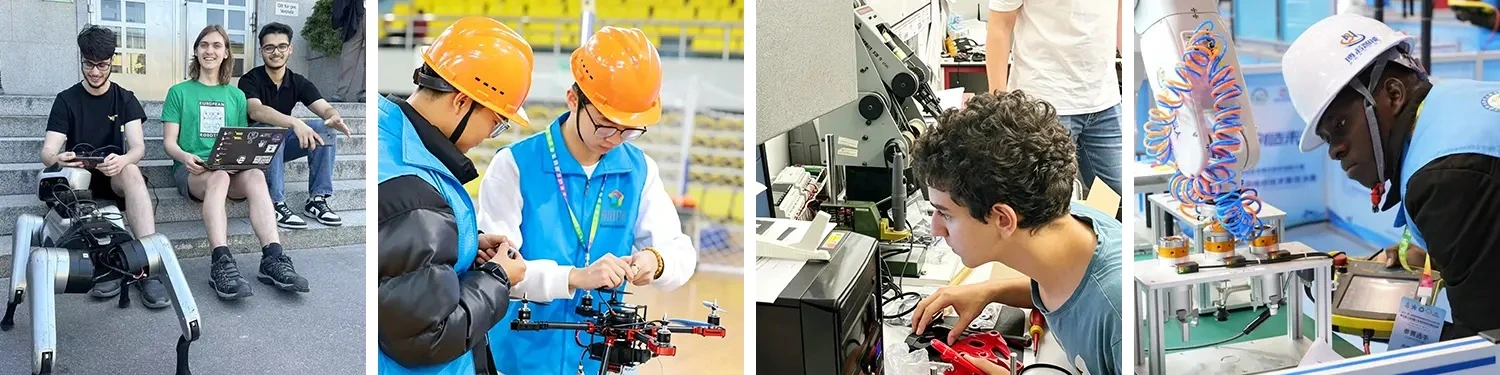
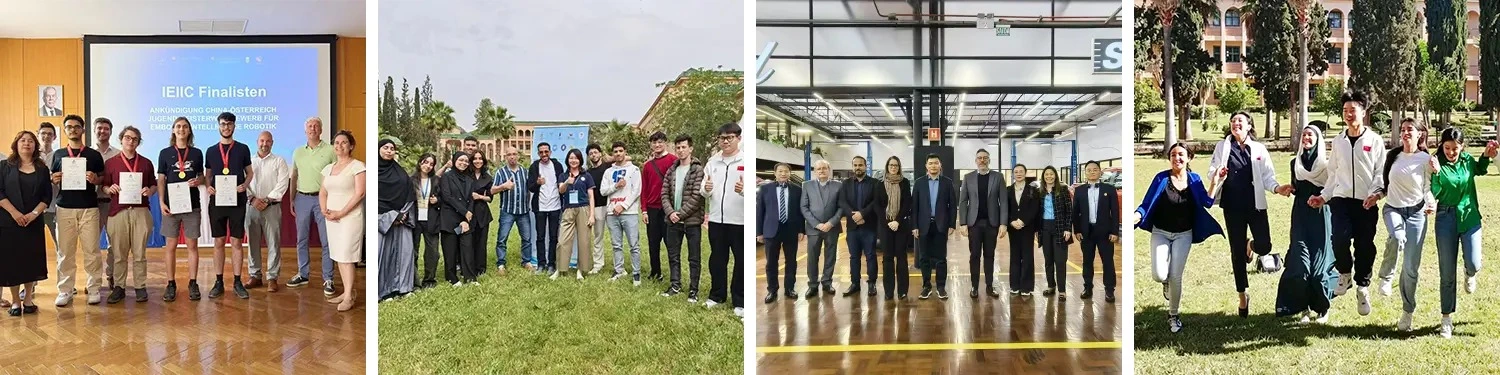
At ECR Academy, our New Energy Vehicle Detection & Maintenance Technology program is backed by proven global expertise and comprehensive resources. We've trained nearly 500,000 participants across 29 countries since 2010, with over 300,000 earning recognized certifications. Our program leverages real-world expertise from organizing 150+ skills competitions that prepared 30,000+ learners for industry challenges. You'll benefit from our robust ecosystem featuring:
- 3,300+ industry engineers and academic experts specialized in BEV, PHEV, and FCEV diagnostics
- 500+ enterprise partnerships ensuring curriculum aligns with current high-voltage safety protocols and BMS technologies
- 60,000+ educational resources including skill standards, virtual simulation platforms for drive motor diagnostics, and assessment systems
- 16 years of professional experience in skills education and international cooperation
- Integrated training combining theory with hands-on practice in thermal management systems, insulation monitoring, and fault diagnosis
Our future-focused approach ensures you master job-ready competencies that address real industry demands in battery health assessment and software-defined vehicle architectures.
FAQ
1. Can I take this course with zero background knowledge?
A: Yes, this course adopts a teaching model combining theory with practice, starting with basic NEV structures and gradually moving into drive motor systems and fault diagnosis. It is recommended to have basic knowledge of electrical and electronic engineering, mechanical fundamentals, and computer operation skills.
2. What positions can I pursue after completing the course?
A: After completing the training, you can qualify for the following positions:
- NEV Drive Motor System Testing Engineer
- Electric Drive System Assembly and Adjustment Engineer
- Drive Motor Fault Diagnosis Engineer
- NEV Powertrain Technician
- NEV Maintenance Technician
- After-Sales Service Technician
3. How is the platform deployed?
A: The platform adopts virtual simulation technology with smart terminals as the operating platform. Trainees only need to be equipped with computing devices meeting configuration requirements (Windows 10 operating system, 8GB or more RAM, dedicated graphics card, etc.) to conduct virtual simulation operational training through the software. The platform supports online learning and simulation practice anytime and anywhere, allowing learners to combine theory study with practical simulation training.

Contact Us
Ready to elevate your skills in New Energy Vehicle Detection & Maintenance Technology? Connect with our team at ecr2008@enteredu.com to explore training solutions tailored for your institution or enterprise.





_1781601799781.webp)