New Energy Vehicle Fault Diagnosis & Troubleshooting
Standards: Aligned with international technical skills standards
Faculty: Industry engineers and academic experts
Platform: Integrated training platform for new energy vehicle three-electric systems: battery, motor, and electronic control
Outcomes: Build practical, job-ready skills aligned with real new energy vehicle industry needs
Target Partners: Enterprises, educational institutions, industry associations, and other organizations
New Energy Vehicle Fault Diagnosis & Troubleshooting
Course Overview
This course focuses on the core technologies of new energy vehicles (NEVs), including power batteries, drive motors, and electronic control systems in New Energy Vehicle Fault Diagnosis & Troubleshooting. Based on real industrial workflows and technical tasks, the course covers the complete process from electrical assembly and system testing to motor diagnosis and vehicle troubleshooting.
Learners will work with standardized training platforms to perform hands-on tasks in battery system assembly, low-voltage and high-voltage system operation, electrical adjustment, and fault diagnosis. The course combines practical training with industry-oriented engineering tasks to help learners build practical skills for NEV production, testing, inspection, and maintenance.
Through project-based training and real-world application scenarios, learners develop the ability to assemble, test, diagnose, and maintain NEV systems in modern automotive environments. The course prepares learners for technical roles in NEV manufacturing, service, and intelligent vehicle industries.
Why This Course?
1. Curriculum
Learn through hands-on projects that combine technical knowledge with real operational tasks.
2. Organization
Designed in line with international technical standards and modern NEV industry practices.
3. Faculty
Delivered by industry engineers and instructors with experience in NEV technologies and automotive systems.
4. Platform
Train on a practical platform covering NEV battery systems, drive motors, and electronic control technologies.
5. Outcomes
Build practical skills for technical roles in NEV manufacturing, testing, maintenance, and service.
What You'll Be Able to Do?
This course is designed around real NEV industry workflows, covering practical skills from system assembly to fault diagnosis and safety operation.
1. NEV Electrical Assembly and Adjustment
- Assemble and wire low-voltage electrical systems.
- Perform functional testing and system debugging.
- Read and analyze electrical circuits.
- Configure sensors, actuators, and power management modules.
- Apply standardized assembly and adjustment procedures.
2. Power Battery System Assembly and Testing
- Assemble battery modules and connect BMS systems.
- Perform high-voltage safety protection procedures.
- Conduct insulation testing and charge/discharge verification.
- Calibrate battery performance parameters.
- Monitor battery management systems and optimize energy management strategies.
3. Drive Motor Fault Diagnosis and Troubleshooting
- Use diagnostic tools to identify fault locations.
- Analyze measurement data and system status.
- Troubleshoot electrical faults, sensor issues, and communication interruptions.
- Read fault codes and interpret real-time data streams.
- Apply fault diagnosis and troubleshooting strategies.
4. Standardized Operation and Safety Protection
- Follow NEV high-voltage safety procedures.
- Use electrical safety protection equipment correctly.
- Perform standardized maintenance and inspection operations.
- Respond to emergency situations in NEV working environments.
What You Will Learn?
|
Training Skills
|
Description
|
|
1. NEV Electronic and Electrical Experiment Box Assembly and Adjustment
|
Learn how to assemble and adjust low-voltage electrical systems used in new energy vehicles.
You will complete wiring, parameter configuration, and functional testing for power management modules, sensors, actuators, and electrical control units.
Hands-on tasks include circuit connection, electrical inspection, and system debugging. You will also learn how to read and analyze vehicle electrical diagrams and apply standard assembly procedures in practical workshop environments.
|
|
2. Power Battery System Assembly, Adjustment, and Testing
|
Learn how to assemble and test NEV power battery systems.
You will inspect battery modules, connect high-voltage busbars, and install BMS slave modules and sampling harnesses.
You will also perform insulation testing, charge and discharge verification, and battery status monitoring under simulated operating conditions. Practical training focuses on battery grouping, BMS operation, and high-voltage safety procedures.
|
|
3. Drive Motor Fault Diagnosis and Troubleshooting
|
Learn how to diagnose and troubleshoot faults in NEV drive motor systems.
You will inspect motors, controllers, and sensor systems using diagnostic tools and measurement equipment.
Training tasks include fault code analysis, data interpretation, electrical troubleshooting, and repair verification. You will also develop systematic troubleshooting methods for real maintenance scenarios.
|
|
4. Standardized Operation and Safety Protection
|
Learn standard safety procedures used in NEV maintenance and testing environments.
You will apply high-voltage safety protection measures, use personal protective equipment correctly, and follow standard operating procedures during practical tasks.
The course also covers workplace safety management and emergency response practices for NEV systems.
|
Learning Environment
Train with an integrated NEV training platform covering electrical systems, power battery systems, and drive motor diagnostics.
The electrical training platform supports hands-on assembly, wiring, adjustment, and testing of low-voltage vehicle systems. Learners work with power management modules, sensors, actuators, and electrical control circuits in practical training tasks.
The power battery platform supports battery module assembly, BMS connection, insulation testing, and charge/discharge verification. Learners monitor key battery parameters and perform testing procedures under simulated operating conditions.
The motor diagnosis platform supports fault detection, data analysis, and troubleshooting for drive motors and control systems. Using diagnostic tools and real-time data analysis, learners perform fault identification, system inspection, and repair verification tasks.
Through integrated practical training, the platform covers the complete workflow from system assembly and testing to fault diagnosis and maintenance in NEV applications.
Company Strength
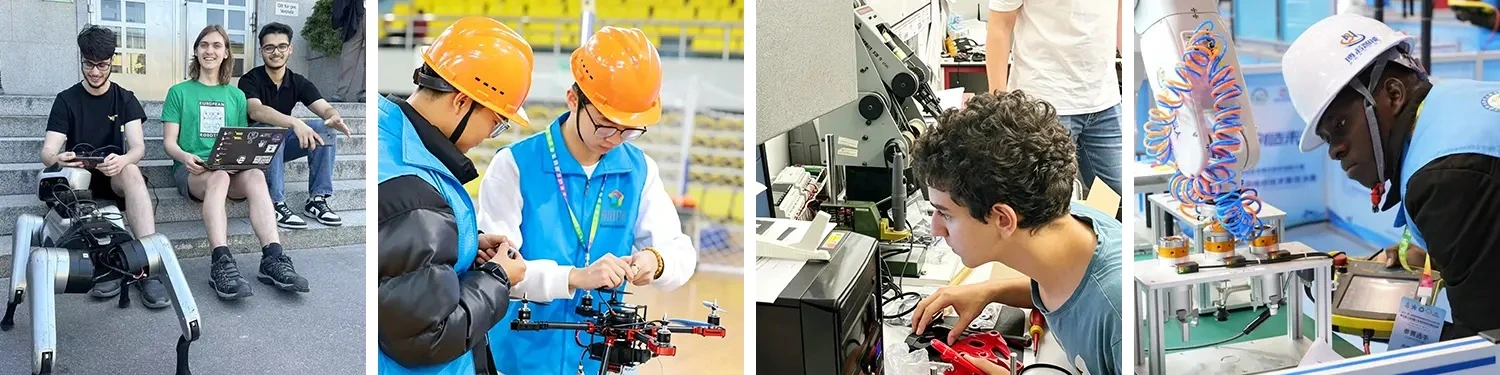
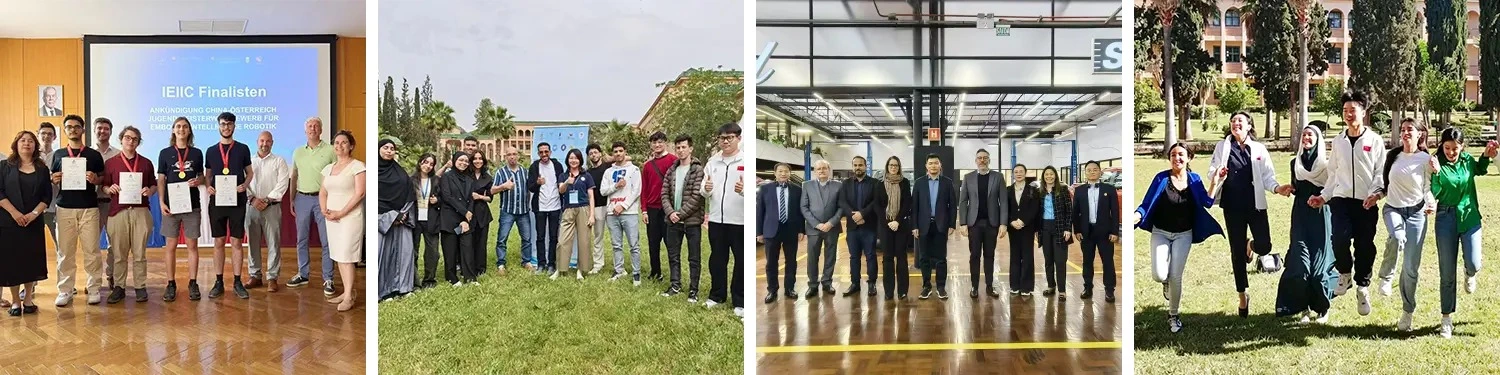
At ECR Academy, our New Energy Vehicle Fault Diagnosis & Troubleshooting training program is built on 16 years of deep industry expertise and proven global reach. We've empowered nearly 500,000 learners across China and 28 countries since 2010. Our program delivers real-world, job-ready skills through a robust ecosystem you can trust:
- Over 3,300 industry engineers and academic experts guide your learning journey
- More than 500 enterprise partnerships ensure curriculum aligns with actual market demands
- 60,000+ educational resources including standards, courseware, case studies, and assessment systems
- Successfully organized 150+ skills competitions, helping 30,000+ learners gain hands-on experience
- 300,000+ certified professionals trained through our programs worldwide
- Integrated three-electric systems training platform covering battery, motor, and electronic control diagnostics
- Project-based curriculum combining theory with practical troubleshooting aligned to ISO 26262 and SAE J1979 standards
FAQ
Q: Can I take this course with zero background knowledge?
A: Yes, this course adopts a teaching model combining theory with practice, starting with basic NEV structures and gradually moving into high-voltage systems and fault diagnosis. The learning threshold is moderate, suitable for trainees with different backgrounds.
Q: What positions can I pursue after completing the course?
A: After completing the training, you can qualify for the following positions:
- NEV Three-Electric System Assembly and Adjustment Engineer
- Power Battery System Testing Engineer
- Drive Motor Fault Diagnosis Engineer
- NEV Vehicle Testing Engineer
- NEV Maintenance Technician
- After-Sales Service Technician
Q: How is the platform deployed?
A: The platform breaks through time and space limitations, combining offline practical training with online learning. Offline training is conducted in standardized laboratory facilities equipped with complete three-electric system test benches and professional equipment; the online learning platform integrates live teaching, simulation practice systems, and other resources, allowing trainees to study theory and review anytime and anywhere. Learners can combine online study with practical workshop training.
Q: What prerequisite skills are needed?
A: It is recommended to have basic knowledge of electrical and electronic engineering, mechanical fundamentals, and computer operation skills.

Contact Us
Ready to build future-ready diagnostic skills in New Energy Vehicle Fault Diagnosis & Troubleshooting for your team or institution? Reach out to us at ecr2008@enteredu.com and let's collaborate today.



_1781601799781.webp)