Environmental Monitoring Technology
Standards: Aligned with international environmental monitoring standards
Faculty: Industry–college teaching team
Platform: Virtual simulation, laboratory testing, and smart monitoring systems
Outcome: Job-ready skills for sampling, testing, quality control, reporting, and monitoring system O&M
Target Partners: Enterprises, educational institutions, industry associations, and other organizations
Environmental Monitoring Technology
Course Overview
The Environmental Monitoring Technology program equips learners with end-to-end skills across the full environmental monitoring workflow—from sample collection and laboratory analysis to quality control and report generation. Covering water, air, soil, solid waste, biological, and physical pollution monitoring, the program builds a complete "monitor–analyze–quality-control–report" competency chain.
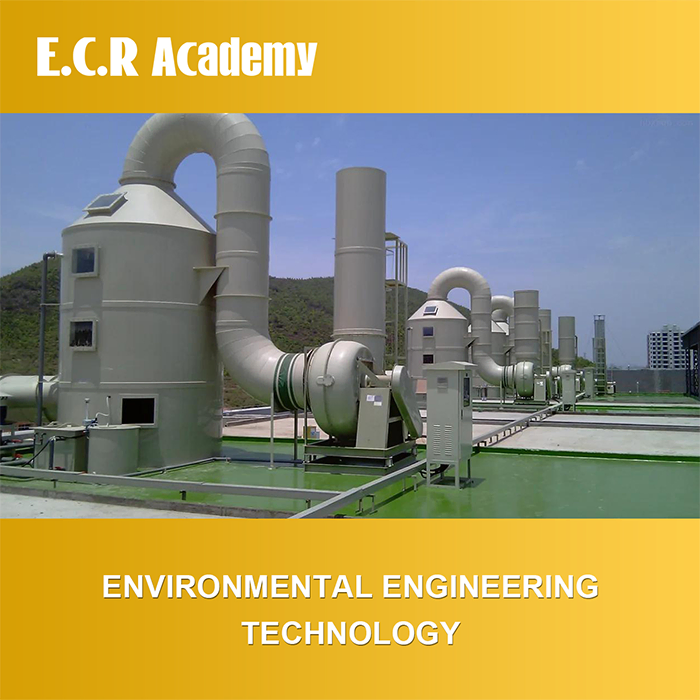
Built on modern environmental monitoring training facilities and automated online monitoring systems, the program integrates virtual simulation with hands-on practice, preparing professionals to operate across the full spectrum of environmental monitoring and automated system maintenance.
Why This Course?
1.Curriculum
Covers all environmental elements (water, air, soil, solid waste, biology, physical pollution) with a complete workflow from sampling to reporting.
2. Standards
Aligned with international environmental monitoring standards and specifications, building skills that meet global ecological monitoring requirements.
3. Faculty
Joint instruction by industry experts and academic instructors, combining theoretical teaching with field experience.
4. Platform
Blends virtual simulation with real-world labs, covering both traditional laboratory testing and intelligent automated monitoring scenarios.
5. Outcomes
Aligned with industry needs, this course helps learners develop job-relevant skills for roles such as samplers, laboratory analysts, QC specialists, monitoring report specialists, and automated monitoring system technicians.
What You'll Be Able to Do?
1. Perform Water Environmental Monitoring
- Collect, preserve, and pre-process water samples from surface water, groundwater, and industrial wastewater following standard protocols
- Operate water samplers, flow meters, and other field sampling equipment
- Analyze key water quality parameters (pH, dissolved oxygen, COD, ammonia nitrogen, total phosphorus, total nitrogen, etc.)
- Process monitoring data and compile water quality monitoring reports
2. Conduct Air Environmental Monitoring
- Collect, preserve, and pre-process air samples from ambient air and emission sources
- Operate air samplers and flue gas sampling instruments
- Detect gaseous pollutants (SO₂, NOₓ, O₃, CO) and particulate matter (PM₂.₅, PM₁₀, TSP)
- Process air monitoring data and compile atmospheric monitoring reports
3. Perform Soil and Groundwater Monitoring
- Collect, preserve, and pre-process soil and groundwater samples following standard protocols
- Operate soil corers, water samplers, and related field equipment
- Analyze organic compounds and heavy metals in soil and groundwater samples
- Process monitoring data and compile soil and groundwater monitoring reports
4. Execute Solid Waste and Biological Monitoring
- Collect, preserve, and pre-process solid waste and biological samples
- Operate sample preparation equipment (crushers, shakers) and biological detection instruments (incubators, microscopes)
- Perform leaching toxicity tests on solid waste and indicator species analysis on biological samples
- Process monitoring data and compile solid waste and biological monitoring reports
5. Monitor Physical Pollution
- Conduct on-site monitoring of noise, electromagnetic radiation, and other physical pollution factors
- Operate sound level meters and electromagnetic radiation measuring instruments
- Record field monitoring data and compile physical pollution monitoring reports
6. Operate Automated Environmental Monitoring Systems
- Perform commissioning, acceptance testing, and routine inspections of automated monitoring systems
- Conduct periodic calibration and verification of automated monitoring equipment
- Perform comparison monitoring and analyze anomalous data from automated systems
7. Manage Environmental Monitoring Quality
- Develop document control lists and quality control plans for monitoring quality management systems
- Formulate annual management review plans and quality supervision plans
- Maintain daily quality supervision records and compile quality supervision reports
8. Compile Monitoring Reports
- Apply standardized formats and technical requirements for monitoring reports
- Perform statistical analysis and result representation of monitoring data
- Review and produce compliant monitoring reports
What You Will Learn?
|
Training Skills
|
Description
|
|
1. Environmental Monitoring Fundamentals & Regulations
|
Study environmental protection concepts, environmental regulations, and modern laboratory management.
develop regulatory awareness and quality management thinking.
|
|
2. Chemical & Instrumental Analysis Techniques
|
Perform titration analysis, spectrophotometry, atomic absorption spectroscopy, gas chromatography (GC), high-performance liquid chromatography (HPLC), and ion chromatography (IC)
|
|
3. Water Environmental Monitoring
|
Perform full-process operations: sample collection, preservation, preparation, and analysis of surface water, groundwater, and wastewater.
Analyze routine water quality parameters (pH, DO, COD, ammonia nitrogen, total phosphorus), and compile monitoring reports.
|
|
4. Air Environmental Monitoring
|
Perform full-process operations: sample collection, preservation, preparation, and analysis of ambient air and emission sources.
monitor gaseous pollutants and particulate matter.
compile atmospheric monitoring reports.
|
|
5. Soil & Groundwater Monitoring
|
Perform standardized sampling, sample preparation, and analysis of organic compounds and heavy metals in soil and groundwater samples.
|
|
6. Solid Waste & Biological Monitoring
|
Perform solid waste sample collection and leaching toxicity testing.
Conduct biological sample collection and indicator species analysis.
|
|
7. Physical Pollution Monitoring
|
Conduct on-site monitoring of noise and electromagnetic radiation.
Record data and compile physical pollution monitoring reports.
|
|
8. Automated Environmental Monitoring System Operation
|
Perform operation and maintenance of automated monitoring systems for ambient air, water pollution sources, flue gas, and carbon emissions.
Conduct routine inspections, periodic calibration, and verification.
|
|
9. Environmental Monitoring Quality Management
|
Develop document control lists, quality control plans, management review plans, and quality supervision plans.
Maintain daily quality supervision records and compile quality supervision reports.
|
|
10. Data Processing & Monitoring Report Compilation
|
Apply data processing and statistical tools (Excel, SPSS) to collect, process, analyze, and visualize monitoring data.
produce standardized monitoring reports.
|
Learning Environment
The Environmental Monitoring Technology training base provides modular equipment and systems across dedicated facilities:
Chemical Analysis Lab — Equipment for foundational chemical analysis skill training, including titration apparatus and spectrophotometers.
Instrumental Analysis Lab — Modern analytical instruments for GC, HPLC, IC, AAS, and other advanced detection techniques.
Water Environmental Monitoring Lab — Full-process equipment for water sample collection, preparation, and analysis.
Air Environmental Monitoring Lab — Full-process equipment for air and emission source sample collection, preparation, and analysis.
Biological Monitoring Lab — Instruments for biological sample analysis, including microbiological incubators and microscopes.
Soil & Groundwater Monitoring Lab — Equipment for soil and groundwater sample collection, preparation, and heavy metal/organic compound analysis.
Solid Waste Monitoring Lab — Equipment for solid waste sample processing and leaching toxicity testing.
Automated Monitoring System Training Platform — Online automated monitoring systems for ambient air, water pollution sources, flue gas, and carbon emissions, supporting operation, maintenance, and calibration training
Company Strength
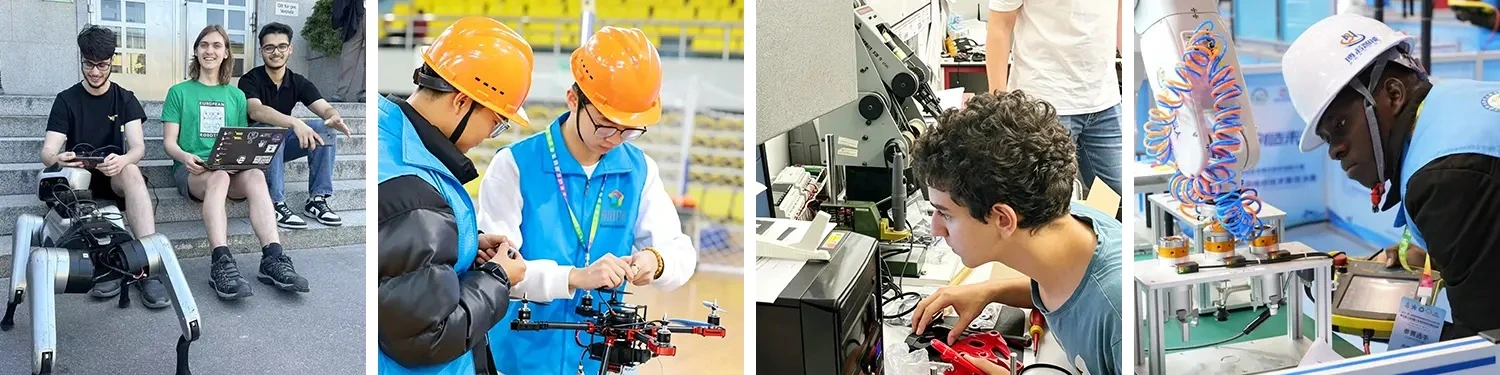
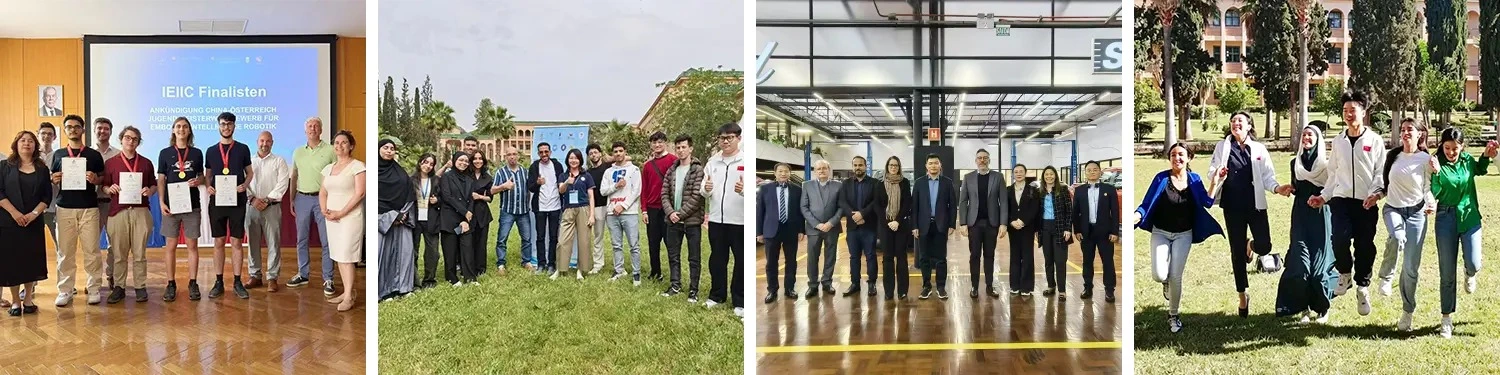
At ECR Academy, our product training program draws from 16 years of expertise in vocational education. Since 2010, we've equipped nearly 500,000 participants across China and 28 countries with industry-ready skills. Here's what sets us apart:
- We've successfully trained over 300,000 learners who earned recognized certifications in environmental fields
- Our curriculum covers water, air, soil, solid waste, and biological pollution monitoring aligned with international standards
- You benefit from a teaching team combining industry practitioners and college educators
- We provide access to virtual simulation labs, physical testing facilities, and smart monitoring systems for hands-on experience
- Our ecosystem includes 3,300+ industry experts, 500+ enterprise partners, and 60,000+ educational resources
- You'll master job-ready competencies: sampling techniques, laboratory testing, quality control, compliance reporting, and monitoring system operations
- We've organized 150+ skills competitions helping 30,000+ learners gain practical, competitive experience
Our training transforms theoretical knowledge into real-world problem-solving abilities, preparing you for careers in environmental compliance, industrial monitoring, and smart city initiatives.
FAQ
Q: Can I take this course with no prior background?
A: Yes. The program is structured progressively, starting with foundational chemistry and environmental regulations before advancing to specialized monitoring techniques. Even without prior experience in environmental monitoring, learners can develop full-spectrum monitoring skills through systematic study.
Q: What career paths does this program prepare me for?
A: Learners can develop skills relevant to roles such as:
- Sampler (field sample collection)
- Laboratory Analyst (laboratory testing and analysis)
- QC Specialist (quality control and assurance)
- Monitoring Report Specialist (monitoring report preparation and review)
- Automated Monitoring System Technician (operation and maintenance of automated monitoring systems)
- Environmental Monitoring Engineer
- Third-Party Testing Agency Technician
- Environmental Monitoring Technician in Public Environmental Agencies
Q: What emerging technologies are covered in the program?
A: The program integrates intelligent sampling technology, online automated monitoring, and environmental big data applications. Topics include environmental monitoring information platform operation, automated data acquisition and transmission, and IoT monitoring terminal operation and maintenance—preparing learners for the smart environmental protection industry.

Contact Us
Connect with our team at ecr2008@enteredu.com to explore partnership opportunities and training solutions in Environmental Monitoring Technology tailored to your needs.




_1781601799781.webp)