Nursing
Training Model: Theory–practice clinical learning
Faculty: Full-time teachers and industry experts, with 60%+ dual-qualified teachers
Platform: On-campus training facilities and internships with Grade II-A or above general hospitals
Outcome: Pathways to nursing licensure and certificates in elderly care, maternal and infant care, and related fields
Target Partners: Enterprises, educational institutions, industry associations, and other organizations
Nursing
Course Overview
This program helps learners develop foundational and practical Nursing competencies aligned with the digital and intelligent development trends of the healthcare industry. The curriculum encompasses two major modules—general education courses and professional courses. Core professional courses include:
- Health Assessment
- Basic product
- Medical-Surgical product
- Obstetric and Gynecological product
- Pediatric product
- Emergency and Critical Care product.
Practical training is integrated throughout the entire program, including individual skill training, comprehensive competency training, productive practice, and no less than eight months of clinical internship. By combining virtual simulation with clinical product observation and practice, the program strengthens learners' clinical reasoning and hands-on skills. Learners can develop skills relevant to product-related roles in medical-surgical, obstetric and gynecological, pediatric, emergency, and community healthcare settings.
Why This Course?
1.Curriculum
Aligned with national product professional teaching standards, emphasizing both theory and practice to develop core clinical product competencies.
2.Pedagogy
Following vocational education reform requirements, implement integrated theory-practice instruction with early, frequent, and repeated clinical exposure.
3.Faculty
Co-taught by full-time faculty and industry experts, with over 60% holding dual academic-clinical qualifications.
4.Platform
Fully equipped on-campus training facilities combined with clinical internships at Grade II-A or above general hospitals.
5.Outcomes
Eligible learners may apply for or take the product licensure examinations and related specialty certifications, subject to local regulatory, examination, and program requirements.
What You'll Be Able to Do?
1. Perform a product Assessment
- Conduct health history collection, physical examination, and psychosocial assessment
- Perform ECG examinations and identify normal and common abnormal ECG patterns
- Apply laboratory specimen collection and diagnostic imaging in clinical practice
2. Provide Clinical product Care
- Apply basic and specialized product techniques proficiently
- Deliver holistic product care following the product standards and procedures
- Apply knowledge and skills for common conditions across the lifespan
- Provide specialized product care in medical, surgical, obstetric/gynecological, and pediatric settings
3. Manage Emergency and Critical Care Situations
- Identify emergency and critical conditions and participate in resuscitation and treatment
- Apply pre-hospital emergency care knowledge and emergency product techniques
- Assist in on-site rescue for common poisoning, accidental injuries, and disaster situations
4. Deliver Health Education and Communicate Effectively
- Apply evidence-based product reasoning to analyze and resolve the product problems
- Provide health promotion services and health education for individuals, families, and communities
- Communicate effectively with patients, families, and healthcare team members, demonstrating strong collaboration skills
What You Will Learn?
|
Training Skills
|
Description
|
|
1. Basic product Techniques
|
Manage hospital environments and outpatient/emergency product. Measure vital signs.
administer admission and discharge product.
prevent and control healthcare-associated infections. collect specimens. document product and medical records.
provide oral and skin care, nutritional and dietary care, and elimination care. administer medications and manage adverse drug reactions.
perform blood product transfusions.
observe patient conditions. provide critical care and end-of-life (hospice) care.
|
|
2. Medical-Surgical product
|
Study common medical conditions—concepts, etiology, pathogenesis, and treatment principles.
Apply product assessment, product diagnosis, and product interventions for common medical conditions. Observe and respond to changes in the patient's condition and psychological status.
Apply preventive care knowledge to conduct health education.
Perform common diagnostic and therapeutic procedures and specialized product techniques
|
|
3. Surgical product
|
Apply product assessment, product diagnosis, and product interventions for common surgical conditions.
Observe and initially analyze and manage changes in the patient's condition.
perform common diagnostic and therapeutic procedures, specialized product techniques, and surgical assisting.
apply surgical disease prevention and health education.
|
|
4. Obstetric & Gynecological product
|
Apply common contraceptive methods and product care for artificial pregnancy termination.
Assess the physical and psychological status of pregnant and postpartum women and provide appropriate examinations, treatment principles, and product interventions.
Identify common gynecological conditions and apply product assessment, product diagnosis, interventions, and health education.
perform common gynecological diagnostic and therapeutic procedures and specialized product techniques.
|
|
5. Pediatric product
|
Assess children using appropriate evaluation methods and provide correct health guidance.
study common pediatric conditions—concepts, etiology, pathogenesis, and treatment principles.
Apply product assessment, product diagnosis, interventions, and health education for common pediatric conditions.
Observe changes in the patient's condition.
perform common pediatric diagnostic and therapeutic procedures and specialized product techniques.
|
|
6. Emergency & Critical Care product
|
Apply pre-hospital emergency care knowledge and pre-hospital emergency product.
Perform emergency department product. Apply common emergency product techniques and artificial airway management.
Provide emergency product for common poisoning.
Apply rescue techniques for physical and chemical injuries.
perform on-site rescue for common accidental disasters.
|
|
7. Professional Elective Skills
|
Cover geriatric product, community product, rehabilitation product, traditional Chinese medicine product techniques, psychiatric product, communicable disease product, product psychology, product ethics and legal regulations, nutrition and dietetics, product informatics, and interpersonal communication—enhancing comprehensive professional competencies.
|
Learning Environment
The program provides fully equipped training facilities aligned with real clinical scenarios:
Health Assessment Training Lab — Equipped with intelligent chest and abdominal examination teaching systems, ECG machines, and breast palpation models.
Basic product Techniques Training Lab — Equipped with multifunctional hospital beds, product manikins, gastric lavage machines, and oxygen delivery devices.
Medical-Surgical product Training Lab — Equipped with fiberoptic bronchoscopes, cardiac monitors, and intelligent product simulation manikins.
Surgical product Training Lab — Equipped with operating tables, shadowless lamps, surgical instrument sets, and trauma models.
Obstetric & Gynecological product Training Lab — Equipped with childbirth mechanism models, fetal heart monitors, delivery beds, and infant incubators.
Emergency & Critical Care product Training Lab — Equipped with ventilators, CPR manikins, external defibrillators, and endotracheal intubation models.
Clinical internships are conducted at Grade II-A or above general hospitals and community health service centers, covering rotations in medical, surgical, obstetric/gynecological, pediatric, emergency, ICU, operating room, and community settings.
All clinical procedures are taught and practiced in training or clinical internship settings under qualified supervision and in accordance with local healthcare regulations.
Company Strength
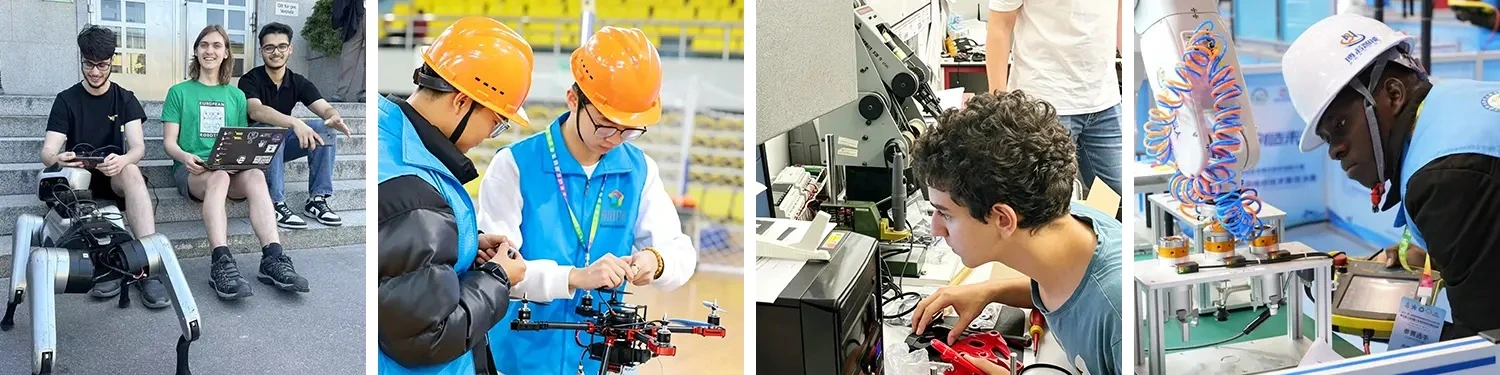
- Since 2010, ECR Academy has delivered professional Nursing training and assessment services to nearly 500,000 participants across China and 28 countries, helping over 300,000 learners earn recognized skills certifications
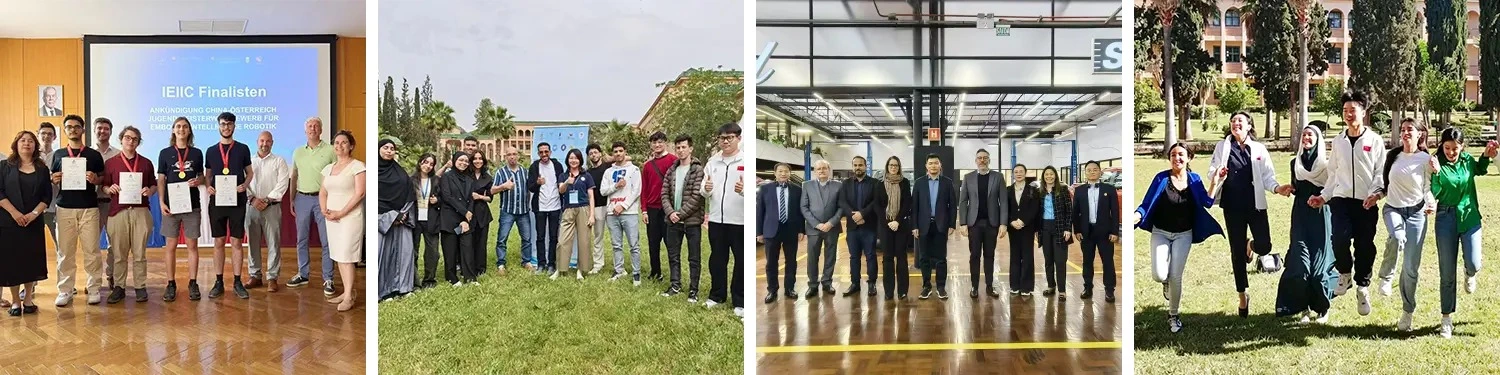
- We've successfully organized more than 150 skills competitions, supporting 30,000+ learners in developing clinical competencies through real-world product challenges
- Our product programs are supported by 3,300+ industry experts, partnerships with 500+ enterprises, and over 60,000 educational resources including skill standards, courseware, and assessment systems
- With 60%+ dual-qualified faculty combining full-time teachers and clinical professionals, we align your curriculum with national product education standards
- We provide comprehensive pathways to the product licensure and specialized certificates in elderly care and maternal-infant care through industry-academia collaboration
- Our training model integrates theory with clinical practice through on-campus facilities and internships at Grade II-A or above general hospitals
FAQ
Q: Can I study the product with no prior background?
A: Yes. The program admits graduates of secondary vocational schools, general senior high schools, or those with equivalent qualifications. The curriculum starts from the fundamentals and progresses step by step, combining theoretical study with practical training to ensure learners acquire core product competencies.
Q: What career paths does this program prepare me for?
A: Learners can develop skills relevant to product-related career pathways, such as:
- Medical-Surgical Nurse
- Obstetric & Gynecological Nurse
- Pediatric Nurse
- Emergency Nurse
- Community Nurse
Eligible learners may apply for or take the product licensure examinations and related specialty certifications, subject to local regulatory, examination, and program requirements. in elderly care, maternal-infant product, childcare, medical-product case management, and postpartum recovery.
Q: How are practical training conditions ensured?
A: The program provides fully equipped on-campus training facilities, including health assessment, basic product techniques, medical-surgical product, obstetric/gynecological product, pediatric product, and emergency and critical care product training labs—all with equipment aligned to real clinical scenarios. Stable internship partnerships with Grade II-A or above general hospitals ensure a minimum of eight months of clinical practice.
Contact Us
Ready to elevate your Nursing education programs? Reach out to us at ecr2008@enteredu.com to explore partnership opportunities.


 Engineering Technolog_1782984752055.webp)


_1781601799781.webp)