Virtual Reality (VR) Product Design & Development
Standards: Aligned with international technical skills standards
Faculty: Industry engineers and academic experts
Platform: Browser-based B/S platform for VR product design, development, and experience without installation
Outcomes: Build practical, job-ready skills aligned with real VR product development and digital content industry needs
Target Partners: Enterprises, educational institutions, industry associations, and other organizations
Virtual Reality (VR) Product Design & Development
Course Overview
This course focuses on the design and development of VR products for interactive digital experiences in Virtual Reality (VR) Product Design & Development. Built around the core 3I features of virtual reality - interaction, immersion, and imagination - the course covers the full workflow of VR product planning, scene creation, interaction design, and web-based deployment.
Learners work on practical tasks including 3D model preparation, virtual environment construction, VR engine application, UI and interaction design, multimedia content integration, and human-computer interaction development. The course guides learners from requirement analysis and scene planning to functional architecture design and product implementation.
Through project-based training, learners develop practical skills in virtual space layout, cognitive function development, operation logic design, interaction system planning, debugging, and optimization for VR product design and development projects.
Why This Course?
1. Curriculum
Combines theory, hands-on practice, and project-driven learning to support practical application in VR product design and development.
2. Standards
Developed with reference to international technical skills standards and current workflows used in VR, immersive media, and digital experience projects.
3. Faculty
Delivered by enterprise engineers and academic instructors, combining practical development experience with structured teaching.
4. Platform
Built on a browser-based platform built on B/S architecture. No installation is required; development and experience can be completed directly through a web browser.
5. Outcomes
Develop practical skills for VR product design, interactive experience development, 3D scene construction, and immersive content production roles.
What You'll Be Able to Do?
This course is designed around the full lifecycle of VR product development, from design and development to publishing and optimization.
1. VR Application Design
- Design VR product functions and overall system architecture based on real application scenarios.
- Plan user experience (UX), visual interface (UI), and interaction flows for VR scenes.
- Process 3D assets and build virtual scene layouts with materials, lighting, effects, and spatial visual design.
2. VR Application Development
- Use VR development engines to turn product concepts into working applications.
- Develop cognitive functions such as knowledge explanation, content display, and multimedia integration using images, text, video, and voice.
- Develop interactive functions including scene roaming, camera control, object interaction, trigger response, and operation simulation.
- Debug code logic, troubleshoot problems, and repair functions during VR product development.
3. VR Product Publishing and Optimization
- Package and publish VR products based on B/S architecture for stable browser-based access.
- Optimize interaction logic, UI structure, and experience smoothness to reduce runtime load.
- Improve immersive experience quality through testing, debugging, and performance tuning.
What You Will Learn?
|
Training Skills
|
Content Description
|
|
1. Virtual Scene Construction
|
Complete the full workflow of VR virtual scene production, including material collection, asset import, model adjustment, spatial planning, material rendering, lighting setup, and visual effects configuration.
This module builds practical skills in product design thinking, 3D asset processing, and virtual scene construction.
|
|
2. Cognitive Function Development for Virtual Products
|
Use a VR development engine to implement cognitive functions such as content introduction and knowledge learning.
Learners practice requirement interpretation, functional design, VR multimedia interaction, and UI development for virtual product applications.
|
|
3. Application Function Development for Virtual Products
|
Develop operation-oriented functions in a VR development engine, including scene roaming, camera control, viewport management, object motion, particle effects, trigger response, and other core interaction functions.
This module strengthens VR function planning, interaction design, and engineering development skills.
|
Learning Environment
The course is built around VeryEngine, a browser-based VR development platform developed on B/S architecture. Using HTML5 and WebGL technologies, the platform supports browser-side 3D development and rendering, providing a smooth web-based 3D interactive experience for VR product development.
VeryEngine supports real-time scene editing and preview, helping learners see design results quickly and improve development efficiency. The platform simplifies logic writing, supports lightweight 3D resource management, and keeps local and server resources synchronized to reduce network load and improve resource loading speed.
With its web-based workflow, scene development tools, and interactive production functions, the platform provides professional technical support for rapid VR product development, testing, publishing, and delivery.
Company Strength
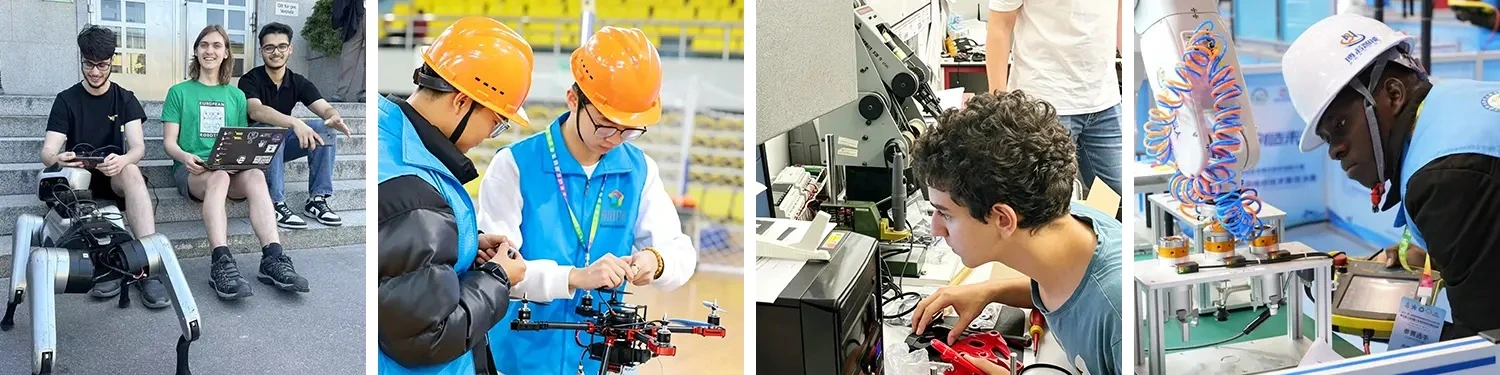
At E.C.R Academy, we deliver comprehensive Virtual Reality (VR) Product Design & Development training solutions that bridge education and industry innovation. Our program is built on proven expertise you can trust:
- We've trained nearly 500,000 participants across 28 countries since 2010, with over 300,000 earning recognized skills certifications in emerging technology fields
- Our curriculum combines project-based learning with hands-on practice, guided by more than 3,300 industry engineers and academic experts who bring real-world VR product development experience
- You'll access our browser-based B/S platform for VR design, development, and testing—no complex installation required, making immersive learning instantly accessible
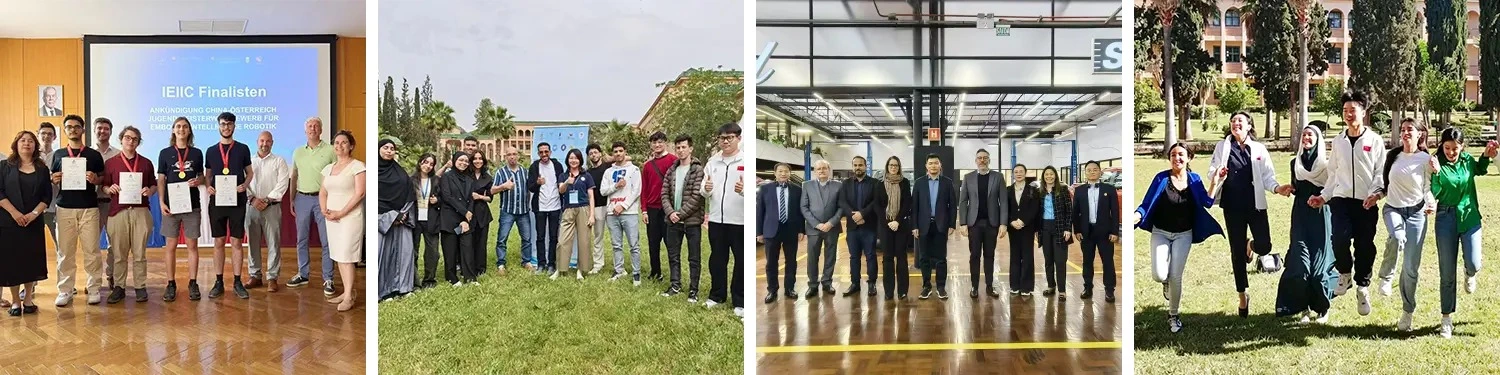
- We've organized over 150 skills competitions helping 30,000+ learners gain practical capabilities aligned with international technical standards
- Our ecosystem includes partnerships with 500+ enterprises and over 60,000 educational resources covering skill standards, case studies, and assessment systems tailored to digital content industry needs
Whether you represent an educational institution, enterprise, or industry association, our product program equips your teams with job-ready skills in spatial computing, ergonomic design, and immersive ecosystem creation.
FAQ
Q: Can beginners take this course?
A: Yes. The course starts with basic VR product functions and gradually moves into scene construction, interaction development, and product publishing. The platform supports natural human-computer interaction and visual editing, making it suitable for beginners entering VR product design and development.
Q: What job roles can learners pursue after completing the course?
A: After completing the course, learners can prepare for roles such as:
- · VR Product Designer/Interaction Designer
- · VR Development Engineer/3D Development Engineer
- · VR Scene Modeler/Environment Designer
- · VR Application Architect
- · VR Content Developer for education and training
- · Digital Exhibition Designer for cultural and tourism industries
Q: How is the platform deployed?
A: The platform is browser-based and supports online access. Learners can develop, preview, and experience VR projects through a web browser without installing a client, supporting flexible learning and project development across suitable devices and network environments.

Contact Us
Ready to explore how our Virtual Reality (VR) Product Design & Development training can empower your organization? Reach out to us at ecr2008@enteredu.com to start the conversation today.



_1781601799781.webp)