Virtual Reality Interactive Application Development
Standards: Aligned with international technical skills standards
Faculty: Industry engineers and academic experts
Platform: Virtual–physical mapping and PLC-scene synchronization
Outcomes: Build practical skills applicable to smart manufacturing, industrial automation, digital twin, and immersive simulation
Target Partners: Enterprises, educational institutions, industry associations, and other organizations
Virtual Reality Interactive Application Development
Course Overview
This course focuses on industrial metaverse applications in Virtual Reality Interactive Application Development. Training covers PLC programming, virtual scene development, industrial data interaction, virtual-physical system integration, and digital twin application development.
Learners will work on practical projects involving industrial automation control, virtual production line simulation, real-time data interaction, and immersive industrial visualization. The course combines industrial automation technologies with virtual reality development workflows to create connected virtual and physical operating environments.
Through project-based training, learners develop practical skills in industrial logic design, virtual scene construction, industrial interaction development, and digital twin system applications for intelligent manufacturing and industrial metaverse scenarios.
Why This Course?
1. Curriculum
Learn through practical projects covering PLC programming, virtual scene development, industrial interaction, and digital twin applications.
2. Organization
Designed around current workflows and technical standards used in smart manufacturing and industrial metaverse projects.
3. Faculty
Delivered by industry engineers and instructors with experience in industrial automation, virtual simulation, and digital twin technologies.
4. Platform
Train on platforms supporting real-time interaction between PLC control systems and virtual industrial environments through virtual-physical synchronization technologies.
5. Outcomes
Build practical skills for roles in intelligent manufacturing, industrial automation, digital twin development, and industrial metaverse applications.
What You'll Be Able to Do?
1. Industrial Logic Design
- Design PLC programs using TIA Portal and S7-1200 series controllers.
- Develop industrial control logic for automated production scenarios.
- Configure I/O allocation and communication parameters for industrial systems.
- Debug and optimize PLC control programs and automation workflows.
2. Virtual Industrial Scene Development
- Build 3D industrial environments and digital twin scenes.
- Create equipment layouts and virtual production line simulations.
- Configure materials, lighting, rendering effects, and industrial visual styles.
- Design interactive monitoring and operation interfaces for industrial applications.
3. Virtual-Physical Interaction Development
- Establish real-time communication between PLC systems and virtual scenes.
- Develop synchronized control functions between physical devices and virtual objects.
- Implement real-time equipment status monitoring and feedback systems.
- Design human-machine interaction interfaces for monitoring, parameter adjustment, and fault inspection tasks.
4. Project Integration and Publishing
- Perform industrial metaverse system integration and testing.
- Publish applications through browser-based platforms and B/S architecture environments.
- Optimize communication efficiency, rendering performance, and interaction responsiveness.
- Prepare project documentation, operation manuals, and technical presentation materials.
What You Will Learn?
|
Training Skills
|
Description
|
|
1. PLC Program Design
|
Learn to use TIA Portal for S7-1200 series PLC programming, including project setup, device configuration, ladder logic design, and device simulation.
Develop industrial control programs based on real automation scenarios and production workflows.
|
|
2. Industrial Digital Twin Scene Development
|
Build virtual industrial environments for industrial metaverse applications.
Complete 3D equipment model import, scene layout, material configuration, lighting setup, and visual effect adjustment tasks.
Develop practical skills in industrial scene construction and digital twin environment creation.
|
|
3. Virtual-Physical Interaction System Development
|
Configure communication between PLC systems and virtual industrial scenes.
Develop synchronized control functions, equipment status feedback systems, and industrial human-machine interaction interfaces for real-time virtual-physical linkage applications.
|
|
4. Smart Factory Material Sorting System Development
|
Develop a smart factory material sorting system using conveyor belts, robotic arms, sensors, and automated control logic.
Implement PLC-based control of virtual production processes and simulate industrial automation workflows in virtual environments.
|
|
5. Multi-Liquid Mixing System Development
|
Develop a virtual industrial liquid mixing system including pipeline valves, level sensors, stirring motors, and heating devices.
Implement real-time communication and coordinated control between PLC programs and virtual industrial systems for complex process scenarios.
|
|
6. System Optimization and Publishing
|
Perform industrial metaverse system testing, optimization, and publishing.
Improve communication efficiency, rendering performance, and interaction responsiveness.
Publish browser-based applications through B/S architecture platforms and generate shareable online project environments.
|
Learning Environment
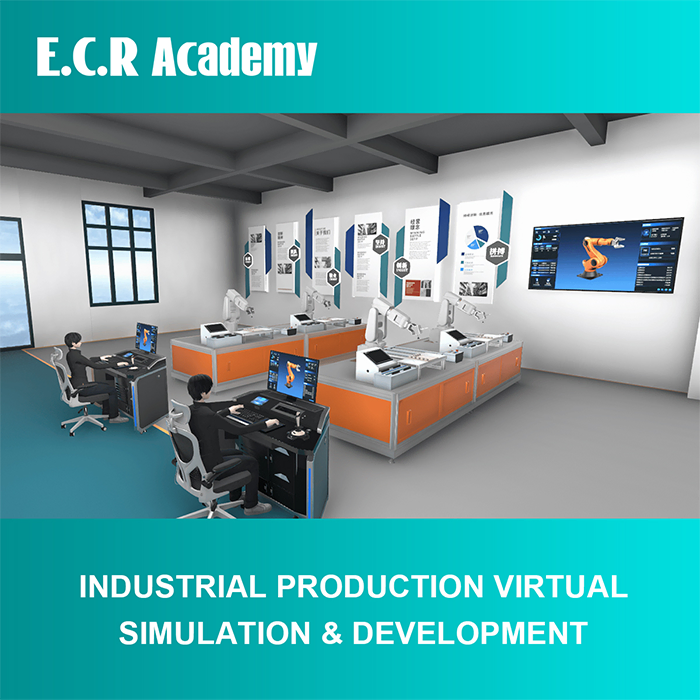
The course is built around the Industrial Digital Twin Engine Platform, a browser-based development platform developed on a B/S architecture using HTML5 and WebGL technologies. The platform supports browser-side 3D scene development, industrial simulation, and real-time interaction, providing an integrated environment for industrial metaverse and digital twin application development.
Core Platform Features
Virtual-Physical Synchronization
Support real-time communication and synchronized control between PLC programs and virtual industrial scenes, enabling linkage between physical equipment and virtual objects.
Industrial Simulation and Visualization
Simulate industrial production processes and equipment operation through real-time virtual environments and digital twin visualization technologies.
Lightweight Development Workflow
Support simplified logic configuration, lightweight 3D resource management, and synchronized local-server resource workflows for efficient project development.
Cross-Platform Browser Access
Compatible with mainstream web browsers without additional client installation, supporting online development, testing, and application deployment across different devices and environments.
Platform Function Modules
PLC Programming Module
Integrates the TIA Portal programming environment and supports S7-1200 series PLC program development and simulation tasks.
Industrial Scene Development Module
Provides industrial equipment model libraries and scene-building tools for rapid virtual factory and production line construction.
Communication Configuration Module
Supports multiple communication protocol configurations for real-time data exchange between PLC systems and virtual industrial environments.
Interaction Development Module
Includes visual interaction configuration tools for developing industrial monitoring, control, and human-machine interaction functions.
Publishing and Optimization Module
Supports browser-based application publishing, performance optimization, and stable online operation for industrial metaverse projects.
Company Strength
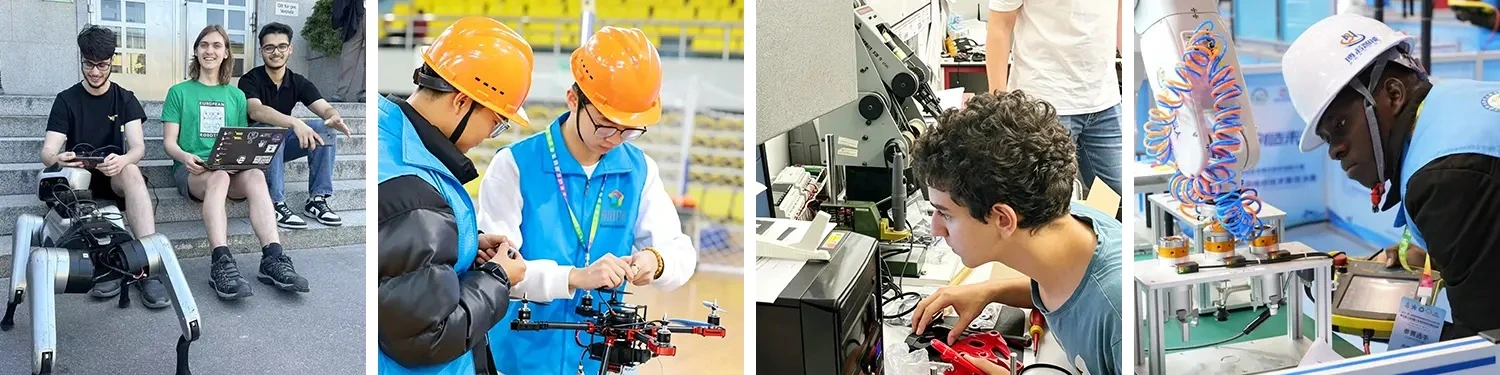
- Since 2010, ECR Academy has delivered professional Virtual Reality Interactive Application Development training and assessment services to nearly 500,000 participants across China and 28 countries, helping over 300,000 learners earn recognized skills certifications
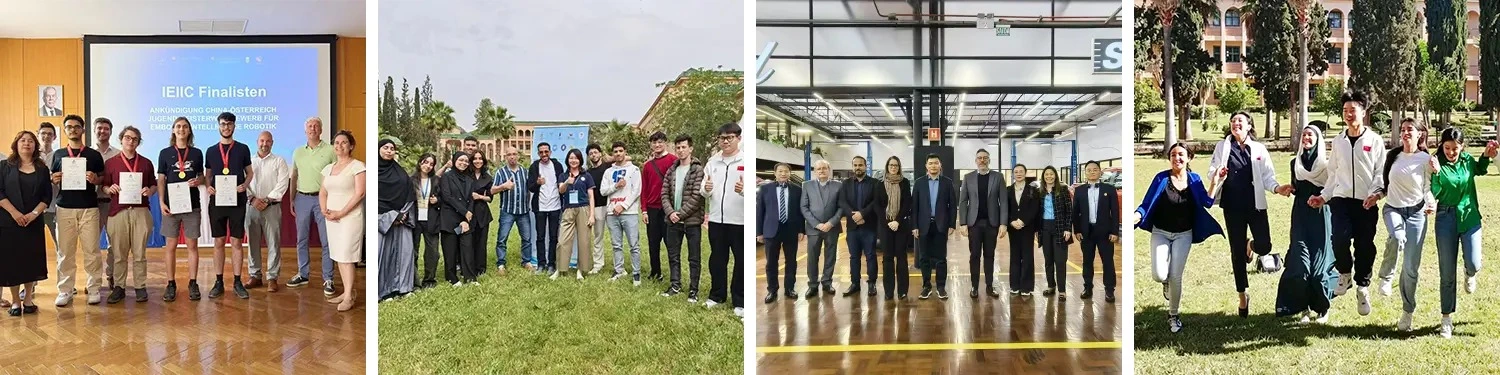
- With 16 years of expertise in vocational education, we've organized more than 150 domestic and international skills competitions, enabling 30,000+ learners to master immersive simulation and digital twin technologies through real-world challenges
- Our comprehensive ecosystem for VR interactive application development includes 3,300+ industry and academic experts, partnerships with 500+ enterprises, and over 60,000 educational resources spanning skill standards, courseware, and assessment systems
- We provide curriculum ranging from PLC programming to metaverse virtual simulation, aligned with international technical standards and delivered by industry engineers who understand spatial computing and sensory feedback integration
FAQ
Q: Can I take this course with zero background knowledge?
A: Yes. This course is designed with a systematic learning path for beginners with no prior experience. Starting from foundational knowledge and progressing step by step, combined with abundant hands-on exercises, it ensures that beginners can quickly master industrial metaverse development skills. The platform supports natural human-machine interaction, with intuitive operation and a low learning threshold.
Q: Are there computer configuration requirements?
A: Since the platform runs on browsers, the computer configuration requirements are not demanding. Recommended configuration:
- CPU: i5 or above
- Memory: 8GB or above
- Graphics card: supporting WebGL
- Operating System: Windows 10 or above, browser Chrome or Edge latest version recommended.
Minimum configuration: CPU i3, memory 4GB, graphics card supporting WebGL, Windows 7 or above.
Q: How are course materials obtained?
A: The course provides a complete material resource package, including industrial equipment 3D models, PLC program examples, virtual scene templates, etc. The course also teaches trainees how to independently search for and process industrial materials, cultivating resource acquisition and processing capabilities. Trainees can also create their own materials or purchase licensed materials according to project needs.
Contact Us
Ready to empower your team with cutting-edge virtual reality development capabilities in Virtual Reality Interactive Application Development? Reach out to us at ecr2008@enteredu.com to explore customized training solutions today.
 Product Design & Development.webp)

_1781601799781.webp)