Virtual Reality Digital Content Creation
Standards: Aligned with international technical skills standards
Faculty: Industry engineers and academic experts
Platform: Browser-based B/S platform for VR digital exhibition development and experience without installation
Outcomes: Build practical, job-ready skills aligned with real digital exhibition and immersive media needs
Target Partners: Enterprises, educational institutions, industry associations, and other organizations
Virtual Reality Digital Content Creation
Course Overview
This course focuses on the design and development of virtual exhibition spaces and immersive digital experiences in Virtual Reality Digital Content Creation. Training covers 3D space design, interactive content production, multimedia integration, and virtual exhibition deployment for online environments.
Learners will create virtual exhibition projects combining spatial layout, visual storytelling, interaction design, and multimedia presentation. The course introduces workflows used in digital exhibitions for cultural, educational, commercial, and public experience applications.
Through interactive production tasks, learners develop practical skills in virtual exhibition design, interactive development, digital content production, and immersive experience creation.
Why This Course?
1. Curriculum
Learn through hands-on projects covering virtual exhibition design, interactive development, and digital experience production.
2. Organization
Designed around current workflows and technical standards used in virtual exhibitions and immersive media projects.
3. Faculty
Delivered by instructors and industry professionals with experience in digital media, interactive design, and virtual content development.
4. Platform
Train on a browser-based platform with no software installation required, supporting online development, testing, and interactive experience deployment.
5. Outcomes
Build practical skills for roles in virtual exhibition design, interactive media production, digital content development, and immersive experience projects.
What You'll Be Able to Do?
1. Exhibition Planning and Spatial Design
- Plan virtual exhibition themes, visitor journeys, and content structures.
- Design digital exhibition layouts, spatial flow, and visual hierarchy.
- Organize exhibition content into clear and user-friendly presentation structures.
2. Virtual Space and Scene Development
- Design immersive virtual exhibition environments and scene layouts.
- Create digital exhibit displays using images, videos, 3D models, and multimedia content.
- Build navigation and wayfinding systems for virtual visitor experiences.
3. Interactive Experience Design
- Design interactive points and user interaction workflows.
- Create smooth and intuitive interactive experiences for online visitors.
- Integrate images, text, video, audio, animation, and multimedia content into exhibition projects.
4. Content Presentation and Narrative Design
- Develop exhibition storylines and digital visitor experiences.
- Structure layered content for different visitor needs and viewing preferences.
- Design extended content and interactive learning resources for deeper exploration.
5. Platform Development and Experience Optimization
- Use virtual exhibition development platforms to build online exhibition projects.
- Optimize loading speed, interaction responsiveness, and visual performance.
- Adapt exhibition projects for different devices, browsers, and network environments.
6. Project Development and Delivery
- Analyze project requirements and develop exhibition design solutions.
- Integrate design materials, multimedia assets, and technical resources into complete projects.
- Complete project testing, deployment, and delivery according to project schedules and production requirements.
What You Will Learn?
|
Skill Module
|
Content Description
|
|
1. Exhibition Planning and Content Design
|
Create virtual exhibition projects from concept planning to scene presentation.
Perform 3D model import, scene layout, material adjustment, lighting setup, and visual effect configuration tasks.
Develop practical skills in virtual scene planning and digital exhibition content design.
|
|
2. Digital Space Construction and Visual Presentation
|
Learn digital space design methods, including spatial layout, lighting design, color coordination, and material application.
Complete hands-on tasks in exhibit placement, navigation design, and visual presentation for immersive exhibition environments.
|
|
3. Interactive Experience and Function Development
|
Design interactive workflows and user interaction logic for virtual exhibitions.
Develop interactive functions such as clickable exhibits, scene switching, information pop-ups, and multimedia interactions using digital exhibition development platforms.
|
|
4. Multimedia Content Production and Integration
|
Create and integrate multimedia assets, including images, videos, audio, animation, and graphic content.
Learn how to combine different media formats into unified exhibition experiences for online presentation environments.
|
|
5. Interactive Quiz and Gamification Design
|
Design interactive quizzes, challenge systems, and gamified exhibition experiences.
Develop engagement features, reward mechanisms, and interactive learning activities related to exhibition themes and visitor participation.
|
|
6. Virtual Exhibition Platform Development
|
Learn the complete workflow of virtual exhibition development platforms, including project setup, scene construction, function development, testing, optimization, and online deployment. Improve development efficiency and platform operation skills through hands-on practice.
|
|
7. Multi-Scenario Exhibition Project Practice
|
Develop exhibition projects for different application scenarios, including museums, corporate showrooms, educational exhibitions, and cultural presentation spaces.
Learn design methods and implementation workflows for different exhibition types.
|
|
8. User Experience Testing and Optimization
|
Perform user experience testing, interaction evaluation, and performance analysis for virtual exhibitions.
Optimize interaction smoothness, visual presentation, loading speed, and the overall user experience across different devices and environments.
|
Learning Environment
The course is built around the Veryengine – Digital Exhibition Hall Development Platform, a professional zero-code and low-code platform designed for virtual exhibition and digital experience projects. The platform supports the rapid development of online exhibition spaces through visual scene editing, interactive component configuration, and template-based project creation workflows.
The Veryengine includes a visual scene editor, an interactive component library, and industry exhibition templates, allowing learners to build virtual exhibition environments, configure interactive functions, and manage multimedia content without complex programming processes.
The platform supports cloud rendering and multi-device adaptation, helping exhibition projects run smoothly across different browsers and devices while reducing local hardware requirements. Multi-user online collaboration functions support team-based project development and content management workflows for commercial and educational exhibition projects.
Built-in content management tools and data analysis functions support exhibit management, visitor interaction analysis, and online exhibition operation tasks. Combined with beginner tutorials, project resources, and technical support tools, the platform provides a complete workflow for virtual exhibition design, development, deployment, and operational management.
Company Strength
At ECR Academy, our Virtual Reality Digital Content Creation solutions are built on a foundation of proven global expertise and comprehensive educational resources. Here's what sets us apart:
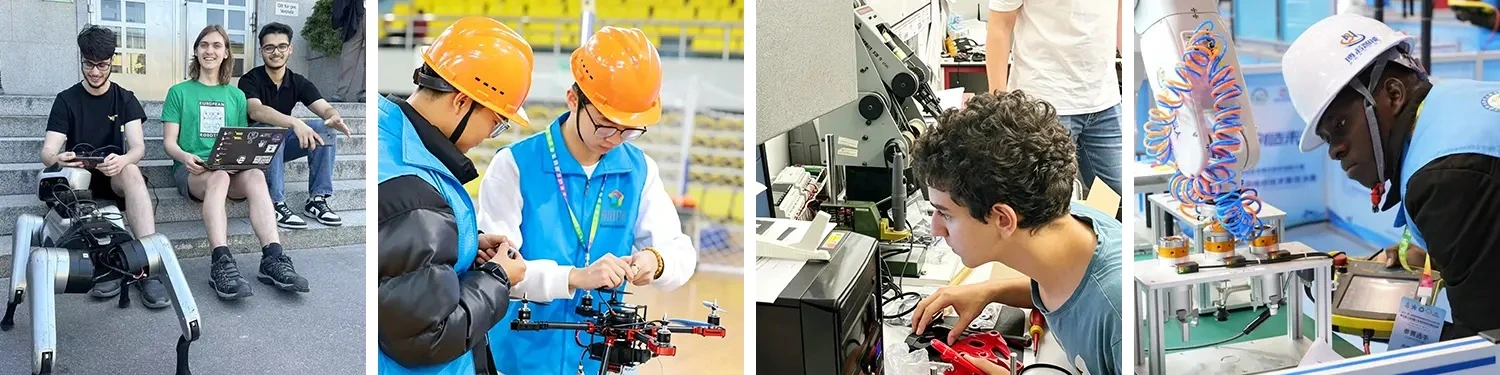
- We've delivered professional training to nearly 500,000 participants across 29 countries since 2010, with over 300,000 certified learners gaining recognized skills in immersive technologies and digital content development.
- Our VR content creation programs leverage a powerful ecosystem of more than 3,300 industry and academic experts and partnerships with over 500 enterprises, ensuring you receive training that reflects real-world industry standards.
- We offer browser-based B/S platform access for VR digital exhibition development—no complex installation required—making immersive content creation accessible and efficient for your team.
- With 16 years of experience in skills education and over 150 organized competitions involving 30,000+ learners, we've refined project-based curriculum combining theory with hands-on practice in spatial computing and interactive 3D environments.
- Access to over 60,000 educational resources—including skill standards, courseware, case studies, and assessment systems—supports your journey from concept to deployment in Virtual Reality projects.

FAQ
Q: What is the difference between a digital exhibition hall and a regular website?
A: Digital exhibitions focus more on immersive interaction and spatial experiences than traditional websites. Digital exhibition halls emphasize immersive experiences, spatial perception, and narrative, allowing visitors to freely explore virtual spaces, more like visiting a real exhibition. Regular websites are more oriented toward information browsing and navigation, with a relatively flat experience. Digital exhibition halls create richer and more captivating experiences through 3D spaces, interaction design, multimedia integration, and other means.
Q: Does this course require an art background?
A: No professional art background is required. The course teaches necessary design principles and aesthetic knowledge. Of course, having some aesthetic foundation or design experience will help with faster onboarding. The platform provides rich templates and materials for trainees to create upon. More importantly, the focus is on cultivating curatorial thinking and user experience thinking, rather than pure artistic techniques.
Q: What are the application scenarios for digital exhibition halls?
A: The application scenarios for digital exhibition halls are very broad, including but not limited to:
- Cultural Heritage: Digital presentation of museums, memorial halls, and historical sites
- Corporate Display: Brand showrooms, product experience centers, and corporate history displays
- Education and Training: Science museums, campus displays, and supplementary materials for online courses
- Cultural Tourism: Attraction introductions, travel route planning, and local feature displays
- Commercial Marketing: New product launches, marketing campaigns, and online exhibitions
- Personal Creation: Personal portfolios, online exhibitions, and creative projects

Contact Us
Ready to transform your approach to immersive digital experiences? Our team is here to support your Virtual Reality Digital Content Creation needs. Reach us at ecr2008@enteredu.com to explore partnership opportunities.


 Engineering Technolog_1782984752055.webp)
 Product Design & Development.webp)

_1781601799781.webp)