Digital Design and Simulation for Smart Production Lines
Standards: International smart manufacturing technical standards
Faculty: Industry engineers and academic experts
Platform: Virtual simulation + hardware training platform
Outcomes: Build practical, job-ready skills aligned with real smart manufacturing needs
Target Partners: Enterprises, educational institutions, industry associations, and other organizations
Digital Design and Simulation for Smart Production Lines
Course Overview
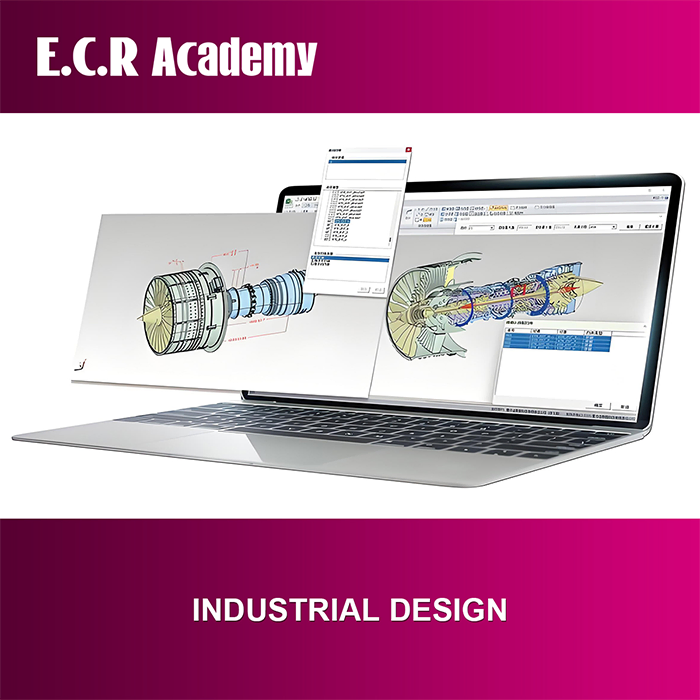
This course focuses on Digital Design and Simulation for Smart Production Lines through the digital design, intelligent control, and simulation verification of smart production lines in modern manufacturing environments. Built on the AI+ Smart Production Line Digital Technology Application Training System, the course integrates digital twin technology with real industrial equipment to create an immersive, industry-oriented learning experience.
Trainees will develop practical skills in industrial production line design, PLC programming, industrial robot operation and programming, AI-powered visual recognition, and intelligent voice interaction. Covering the complete workflow from production line planning and equipment configuration to system integration, commissioning, and operational optimization, the course emphasizes hands-on project-based learning through a virtual-and-physical integrated training model.
Designed to align with the evolving needs of intelligent manufacturing industries, the program prepares learners for careers in smart factory deployment, intelligent production line operation, AI-based sorting systems, and digital twin simulation applications. .
Why This Course?
1. Curriculum
Covering industrial robotics, PLC programming, machine vision, and AI deep learning, the course combines theoretical learning with hands-on industrial practice through integrated training projects.
2. Organization
Designed in line with international intelligent manufacturing standards, preparing learners for real-world industrial applications and global technical environments.
3. Faculty
Delivered jointly by experienced industry engineers and academic experts specializing in intelligent manufacturing and automation technologies.
4. Platform
Built on an integrated virtual simulation and hardware training platform, providing flexible, immersive, and practice-oriented learning experiences.
5. Outcomes
Aligned with current industry demands, helping learners develop job-ready skills and enhance career opportunities in intelligent manufacturing and automation industries.
What You'll Be Able to Do?
This course is designed around real-world intelligent manufacturing workflows, helping learners develop practical skills from production line design to system integration and intelligent automation applications.
1. Intelligent Production Line Design & Simulation
- Design smart production line layouts for real industrial scenarios.
- Build digital twin simulation environments.
- Import and configure virtual equipment models.
- Analyze production cycles and logistics paths.
- Optimize spatial layouts and production workflows.
- Perform 3D virtual manufacturing simulations.
2. PLC & Industrial Robot Programming
- Develop PLC control programs using Siemens TIA Portal.
- Configure and debug HMI interfaces.
- Perform industrial robot teach pendant programming.
- Create offline robot programming projects.
- Plan robot motion trajectories and optimize programs.
- Configure TCP communication and signal mapping.
- Integrate multi-device data communication and collaborative operations.
3. AI Vision Recognition & Voice Interaction
- Apply AI-based visual recognition technologies.
- Identify materials by color, shape, and position.
- Train and deploy AI deep learning models.
- Develop intelligent material sorting applications.
- Build voice interaction systems using speech recognition technologies.
- Develop intelligent voice-controlled warehouse applications.
4. System Integration & Intelligent Debugging
- Configure MES system parameters and production management functions.
- Integrate digital twin systems with physical equipment.
- Synchronize data between virtual and physical production environments.
- Perform production line integration and system debugging.
- Diagnose equipment faults and optimize system performance.
- Solve real engineering problems in intelligent manufacturing scenarios.
What You Will Learn?
|
Training Skills
|
Description
|
|
1. Industrial Production Line Digital Design
|
Learn how to design intelligent production lines through equipment selection, scene layout, digital twin configuration, spatial planning, and system simulation tasks.
Build practical skills in virtual production environment construction and intelligent manufacturing system design.
|
|
2. PLC and Industrial Robot Programming
|
Learn how to develop PLC control programs, configure HMI interfaces, perform robot teach pendant programming, and complete trajectory planning and TCP communication tasks.
Strengthen industrial automation control and collaborative device programming skills.
|
|
3. AI Vision and Intelligent Voice Applications
|
Learn how to collect image data, train AI models, configure visual recognition algorithms, and develop intelligent voice interaction applications.
Apply AI technologies to intelligent manufacturing and automated production scenarios.
|
|
4. Digital Twin Simulation and System Integration
|
Learn how to build digital twin simulation environments, configure MES systems, perform network DNC programming, and integrate virtual and physical production systems.
Develop practical skills in intelligent manufacturing system integration and virtual-physical synchronization.
|
Learning Environment
Train with an integrated smart manufacturing platform featuring digital twin technology, industrial robots, PLC systems, AI vision, and intelligent control technologies.
The modular platform can be flexibly configured to support different workstations and smart manufacturing scenarios.
The platform supports real-world workflows, including production line simulation, robot programming, visual recognition, MES integration, and system debugging.
Through a combination of virtual simulation and real equipment, learners gain hands-on experience in intelligent manufacturing workflows and smart production line operations.
Company Strength
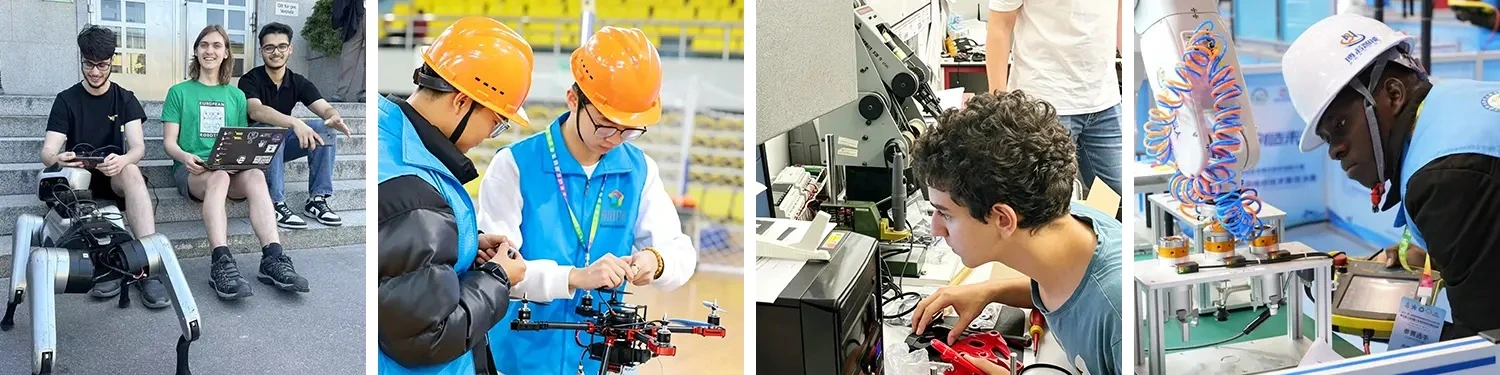
At ECR Academy, we bring proven expertise in Digital Design and Simulation for Smart Production Lines through extensive real-world experience. Our strengths include:
- 16 years of professional experience in skills education and industrial training systems
- Successfully trained nearly 500,000 participants across 29 countries since 2010
- Access to over 3,300 industry engineers and academic experts specializing in smart manufacturing technologies
- Comprehensive ecosystem with 60,000+ educational resources covering simulation standards, case studies, and assessment frameworks
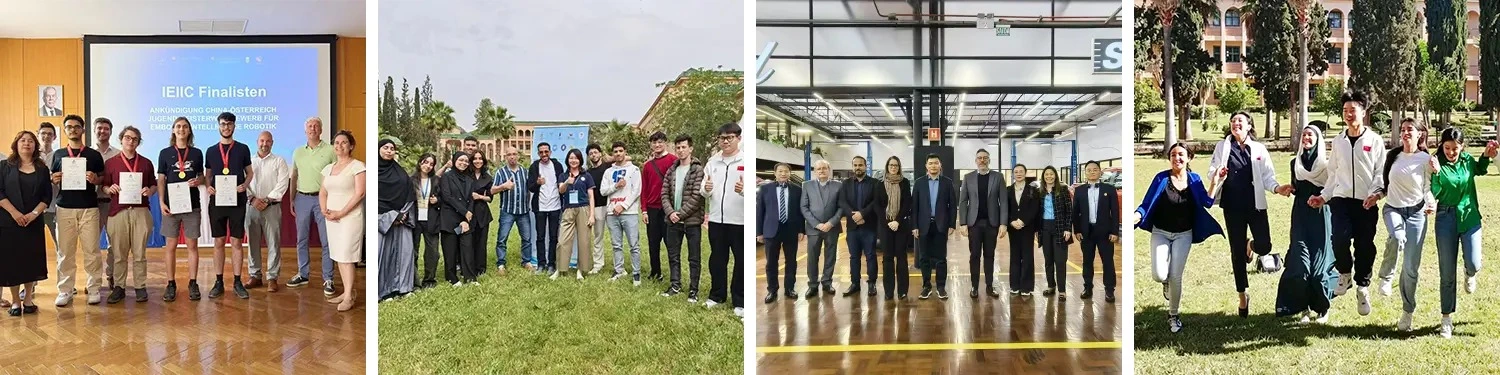
- Organized 150+ skills competitions helping 30,000+ learners master practical competencies
- Deep partnerships with 500+ enterprises ensuring our curriculum reflects current industry demands
- Integrated training platform combining virtual simulation environments with hands-on hardware practice
- Curriculum covers industrial robots, PLC logic validation, visual recognition, and AI-driven optimization aligned with VDI 3633 and ISO 23247 standards
We help you bridge theory and practice, transforming learners into job-ready professionals capable of reducing commissioning time by 30-40% in real smart factory environments.
FAQ
Q: Can I take this course with zero background knowledge?
A: Yes. The course is divided into introductory training packages and certification training packages. The introductory training package is specifically designed for beginners with zero or minimal background, starting from basic equipment operation, digital twin basics, and AI fundamentals, progressing step by step.
Q: What positions can I pursue after completing the training?
A: After completing the training, you can prepare the roles such as:
- Industrial Robot Engineer / System Integration Engineer
- PLC Programming Engineer / Automation Control Engineer
- Intelligent Manufacturing Technician / Digital Twin Application Engineer
- AI Vision Application Engineer / Intelligent Voice Interaction Engineer
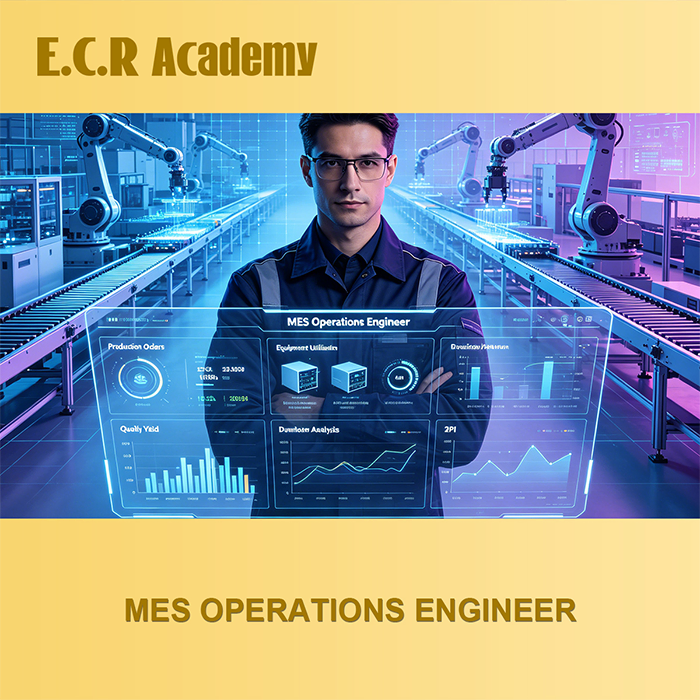
- MES System Operation and Maintenance Engineer / Intelligent Manufacturing Technical Director
- Vocational Education Intelligent Manufacturing Professional Instructor
Q: How is the platform deployed?
A: The platform supports flexible online and offline learning, with convenient deployment and no need to install complex software, making learning more accessible.
Q: Is programming experience required?
A: The course covers multiple programming languages (Python, C#, etc.), but provides systematic programming instruction, progressing gradually from basic commands to project practice, enabling learners without programming experience to master the skills.
Contact Us
Reach out to us at ecr2008@enteredu.com to explore tailored training solutions for Digital Design and Simulation for Smart Production Lines for your organization.


_1781601799781.webp)