Digital Media Technology
Core Skills: Graphic processing, digital visual design, interaction design, audio-video technology, 3D animation, and visual effects
Faculty: Joint instruction by enterprise engineers and college experts
Platform: Training platforms for visual design, interaction design, audio-video production, and visual effects
Employment: Skills aligned with advertising, film and media, internet, and game development industries
Target Partners: Enterprises, educational institutions, industry associations, and other organizations
Digital Media Technology
Course Overview
This program focuses on core skills in digital media technology and is aligned with roles in graphic and image processing, digital visual design, interaction design, and related creative technology fields. Foundation courses include Introduction to the product, Graphic and Image Processing, and Fundamentals of 3D Software. Core courses cover Digital Visual Design, Interaction Design, Digital Audio and Video Technology, 3D Animation Production, and Visual Effects Production Technology.
Learners use tools such as Photoshop and Illustrator for image processing and visual design, Premiere and After Effects for video editing and effects production, and 3ds Max, Maya, and related 3D software for modeling and animation. After completing the program, learners can prepare for roles such as visual designer, interaction designer, post-production specialist, 3D animator, visual effects artist, and new media operations specialist.
Why This Course?
1. Curriculum
Combines theory with hands-on practice and project-based learning to support practical application.
2. Skills
Covers core skills in graphic and image processing, digital visual design, interaction design, audio and video production, 3D animation, and visual effects production.
3. Faculty
Delivered jointly by enterprise engineers and academic instructors, combining professional theory with project-based practice.
4. Platform
Supported by platforms for digital visual design, interaction design, audio and video production, and visual effects design.
5. Career Pathways
Aligned with practical needs in advertising design, film and media, internet services, game development, and related digital media industries.
What You Will Be Able to Do?
1. Graphic and Image Processing
- Use Photoshop, Illustrator, and related software for image processing tasks.
- Apply color correction, compositing, cutout, and retouching techniques.
- Independently complete design works such as e-commerce product pages, posters, and exhibition boards.
2. Digital Visual Design
- Create posters, VI design works, illustrations, and brand visual systems.
- Develop creative concepts based on project requirements.
- Output visual works that meet professional and commercial design requirements.
3. Interaction Design
- Analyze product requirements and design information architecture.
- Create flowcharts and interaction design drafts.
- Evaluate user experience and optimize interaction design solutions.
4. Digital Audio and Video Technology
- Use Premiere, Audition, and related tools for video editing, audio editing, sound design, color correction, and effects integration.
- Produce promotional videos, short videos, microfilms, and related digital media works.
5. 3D Animation Production
- Use 3ds Max, Maya, Cinema 4D, and related 3D software.
- Complete the full workflow of modeling, materials, textures, lighting, rendering, and animation production.
- Create works such as 3D product presentations, architectural visualization, and game characters.
6. Visual Effects Production
- Use After Effects and related visual effects software.
- Create text effects, motion graphics, particle effects, green-screen keying, and compositing.
- Build post-production skills for film, video, and digital media projects.
7. Fundamentals of 3D Software
- Operate 3D software interfaces and basic modeling tools.
- Use polygon modeling and NURBS modeling methods.
- Build 3D spaces and understand fundamental animation principles.
What You Will Learn?
|
Training Skill
|
Content Description
|
|
1. Graphic and Image Processing
|
Learn Photoshop, Illustrator, and related software.
Develop skills in image color correction, compositing, cutout, and retouching.
Complete design works such as e-commerce product pages, posters, and exhibition boards.
|
|
2. Digital Visual Design
|
Learn poster design, VI design, illustration design, and brand visual system design.
Develop creative concepts according to project requirements and produce visual works that meet professional design requirements.
|
|
3. Interaction Design
|
Learn product requirement analysis, information architecture design, flowchart creation, and interaction design draft output.
Practice user experience evaluation and design optimization.
|
|
4. Digital Audio and Video Technology
|
Use Premiere, Audition, and related software for video editing, audio editing, music and sound processing, color correction, and effects integration.
Produce promotional videos, short videos, microfilms, and related works.
|
|
5. 3D Animation Production
|
Learn 3ds Max, Maya, Cinema 4D, and related 3D software.
Master the workflow of modeling, materials, textures, lighting, rendering, and animation production.
Create 3D product presentations, architectural visualization, game characters, and related works.
|
|
6. Visual Effects Production Technology
|
Use After Effects and related effects software to create text effects, motion graphics, particle effects, green-screen keying, and compositing.
Develop post-production visual effects capabilities.
|
|
7. Fundamentals of 3D Software
|
Learn 3D software interface operation, basic modeling, polygon modeling, and NURBS modeling methods.
Build 3D spatial construction capability and understand basic animation principles.
|
Learning Platform
The learning platform builds a complete skills workflow from graphic and image processing to 3D animation production.
The graphic and image processing platform supports training in color correction, compositing, retouching, and related tasks.
The digital visual design platform supports poster design, VI design, and brand visual system design training.
The interaction design platform supports product requirement analysis and interaction design draft output.
The audio and video production platform supports video editing, music and sound processing, and color correction.
The 3D animation production platform supports modeling, materials, lighting, rendering, and animation production.
The visual effects production platform supports text effects, motion graphics, particle effects, and compositing.
Together, these six platforms form an integrated technical system covering graphic processing, visual design, interaction design, audio and video production, 3D animation, and visual effects production.
Company Strength
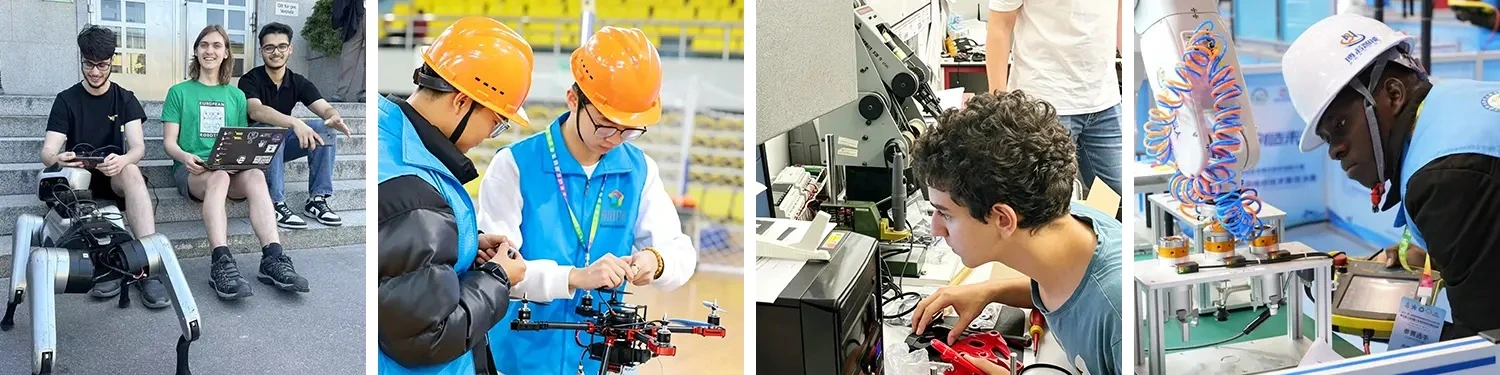
ECR Academy brings comprehensive expertise in Digital Media Technology education and training. Our platform empowers learners to master critical skills in graphic processing, digital visual design, interaction design, audio-video technology, 3D animation, and visual effects through project-driven methodology.
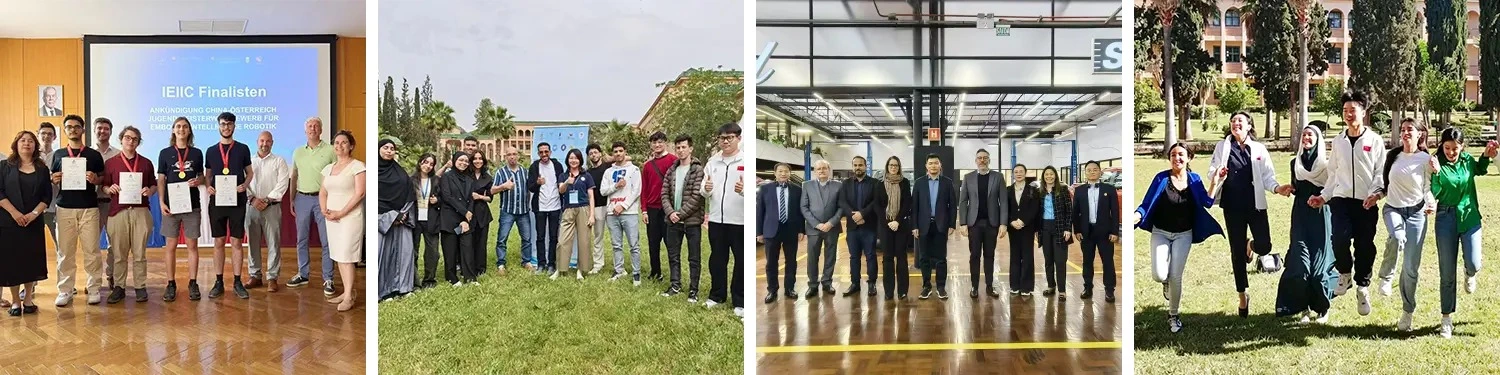
- Since 2010, we've delivered professional product training to nearly 500,000 participants across China and 28 countries worldwide
- Over 300,000 learners have successfully obtained recognized skills certifications through our industry-aligned programs
- We've organized 150+ domestic and international skills competitions, helping 30,000+ learners gain practical experience in real-world digital media challenges
- Our ecosystem includes 3,300+ industry experts, 500+ enterprise partnerships, and 60,000+ educational resources covering skill standards, courseware, and assessment systems
- You'll benefit from joint instruction by enterprise engineers and college experts who bring current industry practices directly into your learning journey
- Our specialized training platforms cover visual design, interaction design, audio-video production, and visual effects—preparing you for careers in advertising, film, internet, and game development sectors
FAQ
Q: Can beginners study this program?
A: Yes. The program starts from the fundamentals and progresses step by step. Learners can follow the learning path whether or not they already have a design background or computer background. The program begins with introductory courses such as Introduction to the product, Graphic and Image Processing, and Fundamentals of 3D Software.
Q: What roles can learners pursue after completing the program?
A: After completing the training, learners can prepare for roles such as visual designer, interaction designer, post-production specialist, 3D animator, visual effects artist, and new media operations specialist.
Q: What computer equipment is recommended?
A: A computer with a dedicated graphics card and 16 GB or more memory is recommended. If learners do not have access to a high-configuration computer, school computer labs can support daily learning and practical training needs.

Contact Us
Ready to enhance your Digital Media Technology capabilities? Connect with ECR Academy today at ecr2008@enteredu.com to explore partnership opportunities and training solutions.

.webp)

_1781601799781.webp)