Biopharmaceutical Technology
Training Focus: Clear career orientation for high-quality talent in pharmaceutical manufacturing
Faculty: Enterprise engineers and college experts, with 60%+ dual-qualified teachers
Platform: Eight professional training labs connected to real work scenarios and production environments
Outcome: Pathways to pharmacist and related professional qualifications
Target Partners: Enterprises, educational institutions, industry associations, and other organizations
Biopharmaceutical Technology
Course Overview
This course is aligned with job requirements in Biopharmaceutical Technology and the pharmaceutical manufacturing industry for cell culture, strain cultivation, and microbial fermentation. It helps learners develop practical competencies in animal cell culture, gene manipulation techniques, and fermentation, separation, and purification of biopharmaceutical macromolecules. The curriculum adopts an integrated theory-practice instructional model. Core courses cover:
- Cell Culture Technology
- Microbial Fermentation Technology
- Genetic Engineering Pharmaceutics
- Bioseparation and Purification Technology
- Pharmaceutical Analysis and Testing
- Biological Assay of Drugs
- Drug Production Quality Management
Why This Course?
1. Curriculum
Aligned with national teaching standards, combining theory with practice through project-driven learning to help learners apply knowledge and skills in practical training scenarios.
2. Pedagogy
Cultivating high-quality skilled professionals for the pharmaceutical manufacturing industry with clearly defined career pathways.
3. Faculty
Co-taught by industry engineers and academic experts, with no less than 60% of instructors holding dual academic-industry qualifications.
4. Platform
Eight specialized training labs aligned with real occupational scenarios and production environments.
5. Outcomes
Eligible learners may apply for or take licensed pharmacist examinations and related professional certification assessments, subject to local regulatory, examination, and program requirements.
What You'll Be Able to Do?
The program benchmarks competencies against the full lifecycle of biopharmaceutical products, covering end-to-end core capabilities from R&D to production:
1. Perform Cell Culture and Process Control
- Apply cell line cryopreservation and recovery methods and perform cell passaging
- Conduct large-scale cell culture, including culture medium preparation, inoculation methods, and growth regulation
- Perform aseptic techniques and apply green processing methods for cell culture waste
2. Conduct Microbial Fermentation and Process Control
- Prepare and sterilize culture media; perform microbial inoculation, cultivation, and preservation
- Conduct strain breeding, preservation, rejuvenation, and identification
- Execute fermentation production and process control; manage production anomalies
3. Apply Genetic Engineering Pharmaceutics
- Select appropriate expression systems and construct recombinant therapeutic protein expression vectors
- Perform high-density fermentation and induced expression of engineered host strains
- Extract and purify recombinant therapeutic proteins at scale to produce quality-compliant products
4. Perform Bioseparation and Purification
- Apply solid-liquid separation, extraction, chromatographic separation, concentration, sterilization, and drying techniques
- Extract, separate, purify, and refine target products from culture materials
- Apply representative separation and purification process workflows for pharmaceutical products
5. Conduct Pharmaceutical Analysis and Quality Control
- Apply solution preparation, sample preparation, physicochemical identification, immunoassay, spectrophotometry, and HPLC techniques
- Perform purity testing and content determination in compliance with the Pharmacopoeia of the People's Republic of China
- Record and process analytical data accurately and prepare inspection reports
What You Will Learn?
|
Training Skills
|
Description
|
|
1. Cell Culture Technology
|
Apply cell line cryopreservation and recovery, cell passaging, and large-scale cell culture techniques—including culture medium preparation, inoculation methods, growth observation and regulation, and sterility testing.
|
|
2. Microbial Fermentation Technology
|
Prepare and sterilize culture media.
Perform strain breeding, seed scale-up culture, fermenter inoculation, and cultivation.
Monitor fermentation parameters, regulate process conditions, and apply sterility testing and harvest procedures.
|
|
3. Genetic Engineering Pharmaceutics
|
Select expression systems, acquire therapeutic protein genes, construct recombinant expression vectors, screen engineered host strains, conduct high-density fermentation, and perform recombinant protein separation, purification, and quality testing at the production scale.
|
|
4. Bioseparation and Purification Technology
|
Apply cell pretreatment, solid-liquid separation, extraction, membrane separation, ion exchange chromatography, gel chromatography (size-exclusion chromatography), concentration, crystallization, and drying techniques.
|
|
5. Pharmaceutical Analysis and Testing
|
Apply solution preparation, sample preparation, physicochemical identification, UV-Vis spectrophotometry, and HPLC for content and purity determination.
Prepare standard inspection reports.
|
|
6. Drug Production Quality Management
|
Compile GMP documentation, execute standard operating procedures, maintain production records, validate biopharmaceutical production processes, and apply intelligent quality management systems.
|
Learning Environment
The program gives eight specialized preparing labs covering the full biopharmaceutical item lifecycle, with gear and offices adjusted with genuine word related scenarios:
Cell Culture Innovation Lab — Prepared with autoclaves, fluid nitrogen tanks, natural security cabinets, CO₂ hatcheries, and cell culture bioreactors.
Microbial Maturation Innovation Lab — Prepared with fermenters and constant-temperature shaking incubators.
Genetic Designing Pharmaceutics Lab — Prepared with PCR thermocyclers, DNA electrophoresis frameworks, and gel imaging systems.
Bioseparation and Decontamination Lab — Prepared with plate-and-frame channel presses and solidify dryers (lyophilizers).
Pharmaceutical Investigation and Testing Lab — Prepared with high-performance fluid chromatographs and UV-Vis spectrophotometers.
Biological Test Lab — Prepared with microplate readers.
Simulation Preparing Lab — Prepared with biopharmaceutical generation reenactment software.
Biopharmaceutical Generation Preparing Base — Developed as a high-fidelity generation environment supporting comprehensive hands-on preparing.
Company Strength
At ECR Academy, our Biopharmaceutical Technology program stands out through proven industry impact and comprehensive resources. Here's what sets us apart:
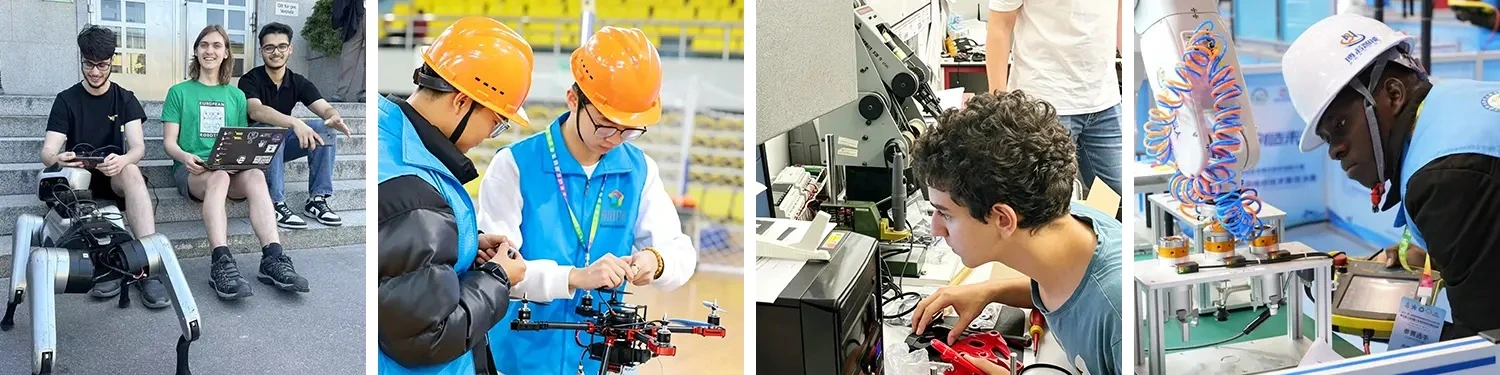
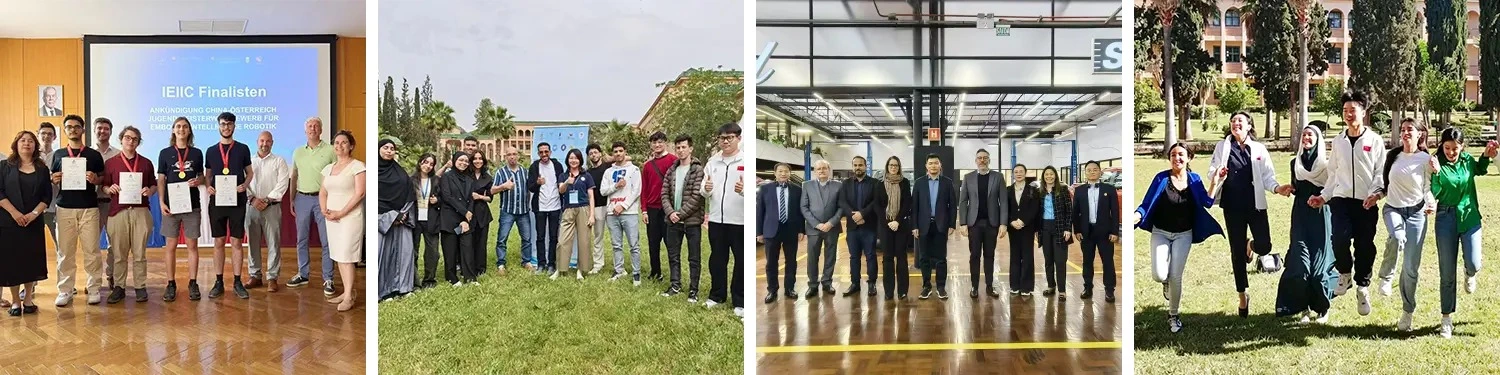
- Since 2010, we've trained nearly 500,000 participants across 28 countries, with over 300,000 learners earning recognized skills certifications
- You gain access to eight professional training labs that mirror real pharmaceutical production environments and work scenarios
- Our faculty combines enterprise engineers with college experts, maintaining 60%+ dual-qualified instructors who bring current industry practices directly to you
- We've organized over 150 skills competitions helping 30,000+ learners develop hands-on expertise in biopharmaceutical manufacturing
- You benefit from our ecosystem of 3,300+ industry experts, partnerships with 500+ enterprises, and 60,000+ educational resources including courseware, case studies, and assessment systems
- Our project-driven curriculum connects theory with practice, preparing you for pharmacist qualifications and high-demand careers in pharmaceutical manufacturing
With 16 years of vocational training experience, we bridge education and industry to ensure you're ready for tomorrow's biopharmaceutical challenges.
FAQ
A: Yes. The curriculum is designed with a progressive structure, starting with foundational courses in chemistry, biochemistry, and microbiology before advancing to specialized core courses, ensuring learners systematically acquire biopharmaceutical knowledge and skills. The program provides fully equipped classrooms and training facilities with an integrated theory-practice learning environment.
Q: What career paths does this program prepare me for?
A: Learners can develop skills relevant to roles such as:
- Biochemical pharmaceutical manufacturing technician, fermentation-based drug production technician, vaccine production technician
- Recombinant protein drug production technician, cell culture technician
- Biopharmaceutical quality control specialist, drug inspector
- Drug production quality management (GMP) specialist
Q: How long is the standard program duration?
A: The standard program duration is three years. During this period, learners complete theoretical coursework, specialized skill training, and clinical internships (cumulative approximately six months). Upon graduation, learners receive their academic credentials and may sit for the Licensed Pharmacist and pharmaceutical formulation production certifications to enhance employment competitiveness. The institution has established stable partnerships with multiple pharmaceutical companies and provides employment referral services for graduates.

Contact Us
Ready to advance your career in Biopharmaceutical Technology? Connect with ECR Academy today at ecr2008@enteredu.com to explore our training programs and partnership opportunities.



_1781601799781.webp)