Electrical Engineering & Automation
Faculty: Joint instruction by enterprise engineers and college experts
Platform: Cloud-based B/S lab platform with easy access anytime, anywhere
Core Skills: Full-process skills in electrical system design, PLC control, and servo drive applications.
Employment: Industry-ready skills for high-quality roles in equipment manufacturing
Target Partners: Enterprises, educational institutions, industry associations, and other organizations
Electrical Engineering & Automation
Course Overview
The Electrical Engineering & Automation program focuses on developing full-lifecycle competencies in electrical system design and implementation, covering core skill areas including
- Circuit analysis
- PLC control
- Motor drives
- Industrial networking
- Power distribution
The program applies international engineering methodology to guide learners through integrated practical training—from electrical product requirement analysis and system architecture design through programming, commissioning, and operational optimization.
Why This Course?
1.Curriculum
Aligned with international technical skill standards, the course integrates theoretical learning with project-based practice to develop electrical engineering talent with international technical awareness and practical project capabilities.
2.Faculty
Joint instruction by enterprise engineers and academic experts, combining academic depth with real-world industry experience.
3.Platform
A cloud-based B/S architecture lab platform accessible anytime and anywhere, without complex local software configuration.
4.Practice
Covers the full workflow of core skills from electrical system design and PLC control to servo drive applications.
5. Career Paths
Mapped to high-quality positions in the equipment manufacturing industry, enhancing workplace competitiveness.
What You'll Be Able to Do?
1. Design and Develop Electrical Systems
- Apply circuit analysis, electronics, and motor control knowledge to design electrical system solutions
- Perform PLC programming, inverter parameter tuning, and servo system control for industrial automation applications
- Read and create electrical drawings, execute construction from drawings, and integrate and commission control systems
2. Implement Industrial Networking and Intelligent Control
- Design, configure, and commission industrial Ethernet communication systems
- Develop HMI interfaces, perform data acquisition, and implement real-time monitoring and alarm handling using SCADA configuration software
- Select and integrate smart sensors, intelligent instruments, and machine vision systems for smart manufacturing applications
3. Manage Power Systems and Energy Efficiency
- Design factory power distribution systems, perform load calculations, and select and verify electrical equipment
- Conduct energy audits, design energy-saving solutions, and evaluate efficiency improvement outcomes
What You Will Learn?
|
Training Skills
|
Description
|
|
1. Electrical Fundamentals & Circuit Analysis
|
Study circuit theory, analog and digital electronics.
operate common electrical measurement instruments.
diagnose and troubleshoot circuit faults—building the theoretical foundation for control system design.
|
|
2. PLC Application & Industrial Control
|
Design, program, and commission control systems on mainstream PLC platforms.
apply basic instructions, data processing, analog control, and communication protocols.
develop industrial automation system integration capabilities
|
|
3. Motion Control & Servo Drive
|
Apply inverter control principles and parameter tuning.
program and commission servo systems.
Implement single-axis and multi-axis motion control for precise and efficient automated production line operation
|
|
4. Industrial Networking & HMI Configuration
|
Configure industrial Ethernet communication.
Design HMI screens and implement data acquisition using configuration software.
develop remote monitoring and alarm systems for real-time visual management and information feedback on the shop floor.
|
|
5. Power Distribution & Energy Management
|
Design and maintain factory power distribution systems.
Perform electrical load calculations and equipment selection.
Apply energy efficiency management and energy-saving technologies for power system planning and energy optimization.
|
Learning Environment
Wanwei Electrical Cloud Platform is a B/S-architecture online learning and experimentation platform for electrical engineering. Leveraging virtual simulation and cloud computing, it enables browser-based electrical control system design and commissioning with no local software installation required. Key capabilities include:
- Integrated Modules — Circuit simulation, PLC programming, inverter parameter configuration, servo drive commissioning, and HMI configuration in one unified environment
- Multi-Device Access — Supports access from multiple terminals with real-time collaboration
- Industrial-Grade Scenarios — Built-in virtual equipment and realistic industrial simulation scenes, enabling full-process training from basic circuits to complex systems
- Enterprise Project Library — Standardized learning paths with real-world enterprise case studies, providing professional technical support for skill development
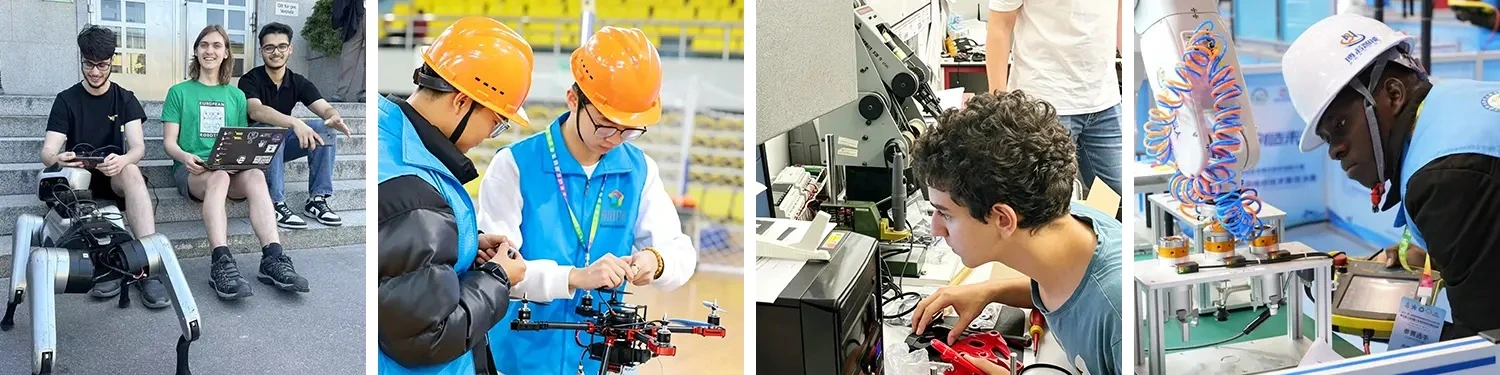
Company Strength
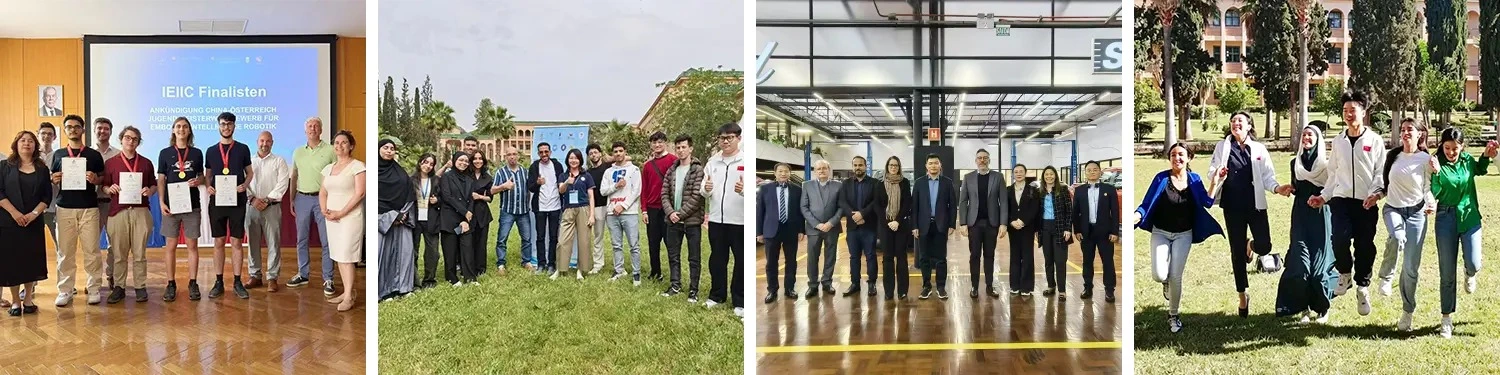
When you choose ECR Academy for Electrical Engineering & Automation training, you're partnering with a globally proven leader in skills education. Our program equips you with industry-aligned competencies in power systems, PLC control, SCADA deployment, and automation design—skills essential for modern smart grids, Industry 4.0 manufacturing, and building management systems. Here's what sets us apart in the product workforce development:
- Over 16 years of specialized experience delivering professional training in electrical control systems and automation technologies across 28 countries
- Nearly 500,000 participants trained globally, with more than 300,000 earning recognized certifications in technical and engineering disciplines
- Access to a comprehensive ecosystem of over 3,300 industry engineers and academic experts who bring real-world electrical system design and automation project experience
- Partnerships with 500+ enterprises in equipment manufacturing, energy, and automation sectors ensuring curriculum relevance to current industry standards like IEC 61131 and IEEE protocols
- Over 60,000 curated educational resources including skill standards, PLC programming courseware, servo drive case studies, and assessment systems tailored to the product
- Cloud-based B/S lab platform enabling you to practice electrical system troubleshooting, VFD integration, and SCADA configuration anytime, anywhere
- Proven track record organizing 150+ skills competitions, helping over 30,000 learners gain hands-on competency in automated control and electrical safety
FAQ
Q: Can I take this course with no prior background?
A: Yes. The program starts from circuit fundamentals and progressively advances to PLC programming and industrial control. With the cloud-based virtual lab platform, you can learn and practice simultaneously—the interface is intuitive, and the learning path is well-structured, making it suitable for beginners entering the electrical engineering field.
Q: What career paths does this program prepare me for?
A: Learners can develop skills relevant to roles such as Electrical System Design Engineer, PLC Control Engineer, Industrial Automation Engineer, Electrical Equipment Commissioning Engineer, Servo Drive Engineer, Power Distribution System Engineer, and Electrical Technical Support Engineer.
Q: How is the practical training structured?
A: The program uses a hybrid model combining online virtual simulation with offline hands-on practice. The virtual lab platform provides simulation environments consistent with real enterprise scenarios, allowing repeated practice of system design and program commissioning. Depending on program arrangements, internship opportunities with partner enterprises may be available to help learners consolidate skills through real-world project experience.

Contact Us
Ready to elevate your expertise in Electrical Engineering & Automation? Reach out to our team at ecr2008@enteredu.com to discuss tailored training solutions for your organization.



_1781601799781.webp)