Pharmaceutical Production Technology
Standards: Aligned with vocational education standards and pharmaceutical manufacturing job requirements
Faculty: Dual-qualified teachers + industry specialists
Platform: Six training labs covering chemistry, microbiology, pharmacology, formulation, testing, and safety production
Outcome: Production skills and certificate pathways
Target Partners: Enterprises, educational institutions, industry associations, and other organizations
Pharmaceutical Production Technology
Course Overview
This course focuses on the digital and intelligent development trends in pharmaceutical manufacturing in Pharmaceutical Production Technology. Oriented toward careers in chemical API manufacturing, TCM decoction piece processing, pharmaceutical formulation, and biopharmaceutical manufacturing within the pharmaceutical industry, the program helps learners develop practical capabilities in compliant drug production, quality management, and material management for the product. The curriculum covers foundational courses, including:
- Basic Pharmaceutical Chemistry
- Organic Chemistry
- Microbiology and Immunology
- Pharmacology
- Pharmacy Administration and Regulations
Eight core professional courses:
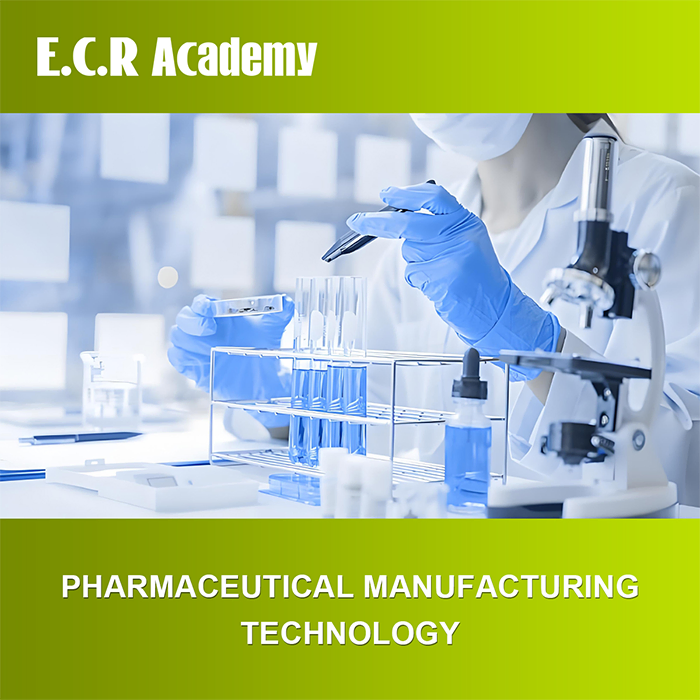
- Pharmaceutical Formulation Technology
- TCM Pharmaceutics Technology
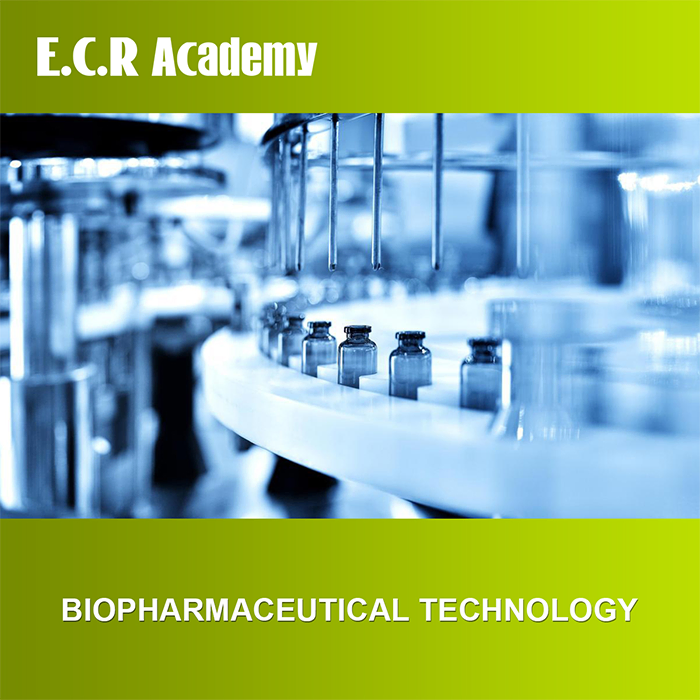
- Biopharmaceutical Technology
- Chemical Pharmaceutics Technology
- Pharmaceutical Analysis Technology
- Intelligent Pharmaceutical Equipment Operation and Maintenance
- GMP Practice
- Pharmaceutical Safety Production and Environmental Protection.
Through project-based and scenario-based instruction, learners systematically acquire full-process pharmaceutical production competencies.
Why This Course?
1.Curriculum
Covering core skill modules including pharmaceutical formulation, TCM pharmaceutics, biopharmaceuticals, chemical pharmaceutics, and pharmaceutical analysis, aligned with pharmaceutical manufacturing industry standards, with tight integration of theory and practice.
2.Pedagogy
Following higher vocational education standards for specialty programs, aligned with job requirements in chemical API manufacturing, TCM pharmaceuticals, and pharmaceutical formulation to develop high-quality pharmaceutical production professionals.
3.Faculty
Over 60% of instructors hold dual academic-industry qualifications; full-time faculty possess practical experience in pharmaceutical enterprises, and industry mentors are senior technical professionals from pharmaceutical production companies.
4.Platform
Six fully equipped training labs—Basic Chemistry, Microbiology, Pharmacology, Pharmaceutical Formulation, Drug Inspection, and Safety Production—with comprehensive equipment and facilities.
5.Outcomes
Aligned with pharmaceutical formulation production professional standards; Eligible learners may apply for or take pharmaceutical formulation production and related professional certification assessments, subject to local regulatory, examination, and program requirements.
What You'll Be Able to Do?
1. Perform Pharmaceutical Production Operations
- Apply production processes and key operational procedures for tablets, parenteral infusions, and powders for injection
- Execute production operations in compliance with process specifications and standard operating procedures (SOPs), and maintain accurate production records
- Produce common dosage form products proficiently
2. Apply TCM Pharmaceutical Techniques
- Apply common TCM processing (Pao Zhi) methods and classify active ingredients and their characteristics
- Perform TCM crude drug selection and processing, decoction piece preparation, and active ingredient extraction
- Process common TCM decoction pieces and extract active ingredients in compliance with process specifications
3. Perform Biopharmaceutical Manufacturing
- Apply genetic engineering and fermentation-based pharmaceutical methods and production processes
- Cultivate and prepare production strains, regulate fermentation processes, and separate and purify bioactive substances
- Produce common biopharmaceutical products
4. Conduct Pharmaceutical Analysis
- Operate common analytical instruments; compile and revise quality standards
- Apply standards, methods, and procedures for testing raw materials and finished products; prepare inspection reports
- Perform quality testing of drugs and raw materials against established standards and determine compliance
5. Implement Quality Management
- Apply GMP fundamentals, document classification, and basic GMP requirements
- Monitor production and quality parameters during pharmaceutical manufacturing
- Conduct self-inspections and quality control activities in compliance with GMP requirements
What You Will Learn?
|
Training Skills
|
Description
|
|
1. Pharmaceutical Formulation Technology
|
Study pharmaceutical formulation fundamentals, common excipients, and quality requirements for various dosage forms, and production processes and key operational procedures for each dosage form.
Produce tablets, parenteral infusions, powders for injection, and other common dosage form products.
|
|
2. TCM Pharmaceutical Technology
|
Study common TCM processing (Pao Zhi) methods, classification, and characteristics of active ingredients, and common extraction methods.
Perform TCM crude drug selection and processing, decoction piece preparation, and active ingredient extraction.
|
|
3. Biopharmaceutical Technology
|
Study modern biopharmaceutical fundamentals, genetic engineering, pharmaceutics, and fermentation-based pharmaceutical methods and production processes.
Cultivate and prepare production strains, regulate fermentation, and separate and purify bioactive substances.
|
|
4. Chemical Pharmaceutical Technology
|
Study the physicochemical properties and quality requirements of common chemical APIs, basic drug synthesis methods, and production processes.
Synthesize, refine, and dry chemical APIs.
|
|
5. Pharmaceutical Analysis Technology
|
Study the operation of common analytical instruments, compilation and revision of quality standards, and standards and methods for testing raw materials and finished products; perform drug quality testing and determine compliance.
|
|
6. GMP Practice
|
Study GMP fundamentals, document classification, and basic requirements, production and quality monitoring during pharmaceutical manufacturing, and GMP inspection key points.
Conduct self-inspections and quality management in compliance with GMP requirements.
|
|
7. Safety Production and Environmental Protection
|
Study fundamentals of three-waste (wastewater, waste gas, solid waste) treatment, hazard identification methods in pharmaceutical production, accident prevention, and emergency response procedures.
Perform safe pharmaceutical production and three-waste management.
|
Learning Environment
The program provides six specialized training labs with equipment and facilities aligned with real occupational scenarios:
Basic Chemistry Lab — Equipped with electronic balances, pH meters, and spectrophotometers.
Microbiology Lab — Equipped with optical microscopes, autoclaves, biological safety cabinets, and incubators.
Pharmacology Lab — Equipped with biological signal acquisition and analysis systems, and medical virtual experiment systems.
Pharmaceutical Formulation Training Lab — Equipped with single-punch tablet presses, pulverizers, sugar coating machines, disintegration testers, solid dosage form production equipment, and injection production lines.
Drug Inspection Training Lab — Equipped with high-performance liquid chromatographs (HPLC), infrared spectrophotometers, and gas chromatographs.
Safety Production Training Base — Equipped with CPR simulation manikins and simulated fire extinguishing training equipment.
Industry internship sites are pharmaceutical production enterprises, with a cumulative internship duration of six months.
Company Strength
At ECR Academy, our Pharmaceutical Production Technology program is built on a foundation of deep industry experience and real-world capability. Here's what sets us apart:
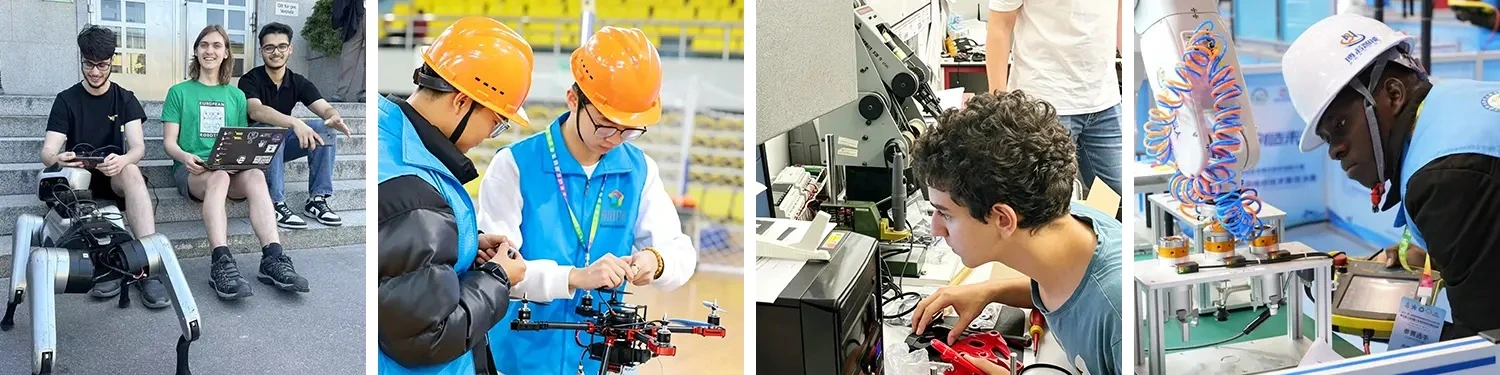
- Since 2010, we've trained nearly 500,000 participants across China and 28 countries, with over 300,000 learners earning recognized skills certifications
- Our program leverages a robust ecosystem of more than 3,300 industry and academic experts who bring front-line pharmaceutical manufacturing insights
- We've successfully organized over 150 skills competitions, helping 30,000+ learners master technical capabilities through hands-on challenges
- Our curriculum covers pharmaceutical formulation, biopharmaceuticals, chemical synthesis, and drug analysis—all aligned with current industry standards
- You gain access to six specialized training labs covering chemistry, microbiology, pharmacology, formulation, testing, and safety production
- Our dual-qualified faculty combines academic expertise with real manufacturing floor experience, ensuring you learn production technology that works in actual GMP environments
- With partnerships across 500+ enterprises, we bridge the gap between classroom theory and commercial-scale pharmaceutical production realities
FAQ
Q: Can I study this program with no prior background?
A: The program is open to graduates of secondary vocational schools, general senior high schools, or those with equivalent qualifications. Basic knowledge of chemistry and biology is recommended. The curriculum follows a step-by-step approach, progressing from foundational theory to practical operations. Learners with no prior background can acquire core competencies through dedicated study.
Q: What career paths does this program prepare me for?
A: Learners can develop skills relevant to roles in chemical API manufacturing, TCM pharmaceuticals, pharmaceutical formulation, and biopharmaceutical manufacturing. Employment settings include chemical API manufacturing enterprises, TCM decoction piece processing enterprises, pharmaceutical formulation production enterprises, and biopharmaceutical companies. Graduates are eligible to obtain Pharmaceutical Formulation Production and related professional certifications.
Q: How long is the program duration?
A: The standard program duration is three years, totaling 2,600 instructional hours. Practical training accounts for no less than 50% of total instructional hours, with a cumulative clinical internship duration of approximately six months.
Contact Us
Ready to advance your expertise in pharmaceutical manufacturing with Pharmaceutical Production Technology? Reach out to our team at ecr2008@enteredu.com to explore partnership opportunities and program details.
_1781601799781.webp)