Industrial Energy Conservation Technology
Standards: Aligned with international skill standards and energy-saving industry needs
Faculty: Joint instruction by enterprise engineers and college experts
Platform: Training facilities supported by simulation, big data, and cloud computing
Outcome: High-level skills aligned with energy saving and carbon reduction industry needs
Target Partners: Enterprises, educational institutions, industry associations, and other organizations
Industrial Energy Conservation Technology
Course Overview
This course integrates the two core professional competencies of industrial energy conservation technology and power-saving technology and management, oriented toward the energy conservation and carbon-reduction industry, helping learners develop practical technical capabilities capable of engaging in energy management, energy-saving engineering design, power-saving technical services, and energy monitoring and assessment.This course covers core skills including:
- Combined heat and power (CHP) system energy conservation
- Refrigeration and heat pump system energy conservation
- Air compressor system energy conservation
- Electrical system energy conservation
- Energy storage technology
- Power supply and distribution system power saving
- Motor system power saving
- Green lighting
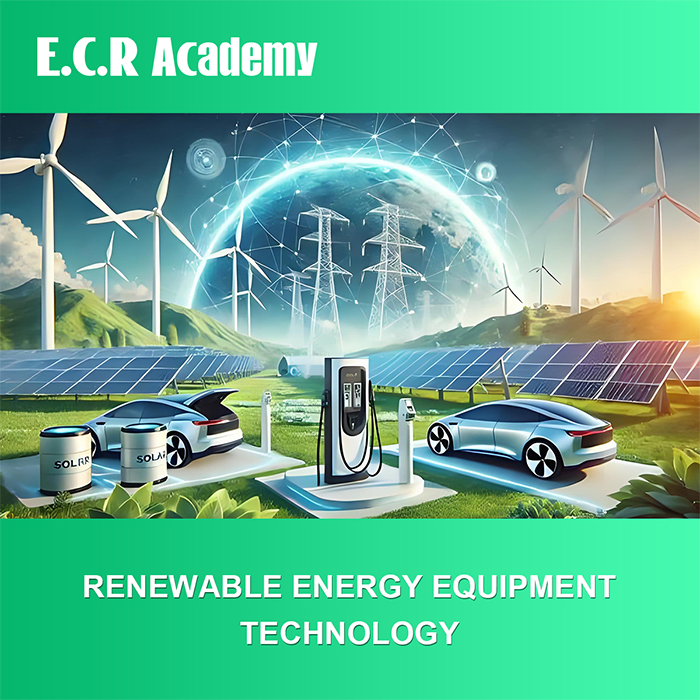
- Intelligent charging and battery swapping
- Variable frequency speed regulation.
Adopting an integrated theory-and-practice teaching approach, the program delivers project-based instruction built on real production projects and typical work tasks, combined with artificial intelligence and other technologies to implement digital transformation, cultivating versatile technical professionals who can support industry needs in intelligent energy management and carbon reduction.
Why This Course?
1. Curriculum
Integrates theory with practice through project-driven learning, supporting career development in energy conservation-related roles.
2. Standards
Aligned with international technical skill standards, meeting energy-saving and low-carbon industry.
3. Faculty
Enterprise engineers and academic experts co-deliver instruction.
4. Platform
Equipped with comprehensive training facilities, leveraging cutting-edge information technologies including virtual simulation, big data, and cloud computing.
5. Outcomes
Directly aligned with energy conservation and carbon reduction industry development needs, helping learners develop practical technical capabilities and enhance career competitiveness.
What You'll Be Able to Do?
1. Thermal System Energy Conservation
- Master the basic principles and process flows of combined heat and power (CHP) systems; perform system energy efficiency monitoring and energy-saving diagnosis
- Conduct energy efficiency monitoring, energy-saving diagnosis, and energy-saving scheme design for refrigeration and heat pump systems and air compressor systems
- Apply heat load calculation, hydraulic calculation, and system thermal economic analysis methods
2. Electrical System Power Saving
- Design, select equipment, install, commission, and perform intelligent operation and maintenance for power supply and distribution system power saving
- Develop power-saving technologies and energy-saving retrofit schemes for motor systems and lighting systems
- Design, select equipment, install, and commission variable frequency speed regulation systems
- Apply core power-saving technologies including reactive power compensation, variable frequency speed regulation, and green lighting
3. Energy Management and Monitoring
- Build and operate energy management systems; compile energy statistical reports
- Conduct energy audits, develop energy conservation plans, and perform energy savings accounting and assessment
- Operate intelligent power management platforms; perform energy efficiency monitoring and management; deliver power-saving and carbon-reduction consulting services
4. Energy Storage Technology and New Energy Applications
- Master new energy storage technologies including ice storage cooling, molten salt thermal storage, and electrochemical energy storage
- Compare and select energy storage schemes; design energy storage systems; monitor and evaluate intelligent energy storage systems
- Apply new energy utilization technologies; implement integrated wind-solar-storage system applications
What You Will Learn?
|
Training Skills
|
Description
|
|
Enterprise Energy Management
|
Study energy conservation laws and regulations and energy management system building requirements
Master energy statistical methods, energy audits, energy conservation planning, and energy utilization status report compilation
Develop capabilities in energy management center construction and energy efficiency benchmarking.
|
|
Thermal System Energy Conservation Technology
|
Master energy conservation technologies for combined heat and power (CHP) systems, refrigeration and heat pump systems, and air compressor systems
Develop system energy efficiency monitoring, energy-saving diagnosis, heat load calculation, and thermal economic analysis capabilities
Compile energy-saving retrofit schemes.
|
|
Electrical System Power Saving Technology
|
Study power-saving technologies for power supply and distribution systems, motor systems, and lighting systems
Master core skills including reactive power compensation, variable frequency speed regulation, and green lighting
Perform electrical system energy efficiency monitoring, energy-saving diagnosis, and power-saving retrofit scheme compilation.
|
|
Energy Storage Technology Applications
|
Study cold storage/thermal storage principles and technologies, and electrochemical energy storage principles and technologies
Master the characteristics of energy storage batteries such as lithium-ion batteries
Compare and select energy storage schemes
Design small-scale energy storage systems
Monitor intelligent energy storage systems.
|
|
Intelligent Charging and Battery Swapping Technology
|
Master the fundamentals of intelligent charging and battery swapping, and the basic structure and working principles of charging and battery swapping stations
Perform load analysis, parameter calculation, and component selection
Compile construction schemes and perform intelligent operation and maintenance for charging and battery swapping stations.
|
|
Power Saving and Low-Carbon Management
|
Study power demand-side management knowledge including efficient power plants, peak shaving and valley filling, and demand-side response
Master common models of power trading and carbon trading
Perform power-saving testing and verification, power-savings calculation, and electricity-consumption diagnostic analysis.
|
Learning Environment
This course is prepared with comprehensive preparing offices, including:
Energy Administration Preparing Lab
Equipped with vitality administration center frameworks and vitality administration computer program for vitality administration framework building and operation training.
Thermal Framework Vitality Preservation Preparing Lab
Equipped with gas-fired boilers, refrigeration hardware, discuss compressors, channeling frameworks, and brilliantly control systems.
Electrical Framework Vitality Preservation Preparing Lab
Equipped with responsive control remuneration gadgets, engine drive frameworks, variable recurrence drives, lighting gear, and different instruments.
Energy Capacity Innovation Preparing Lab
Equipped with battery testing hardware, wind-solar-storage coordinates gadgets, and vitality capacity systems.
Intelligent Charging and Battery Swapping Preparing Lab
Equipped with AC/DC charging and battery swapping stations and brilliantly charge-discharge preparing platforms.
Energy-Saving Plan Recreation Preparing Lab
Equipped with CAD program, energy-saving building plan program, and vitality administration reenactment program.
Company Strength
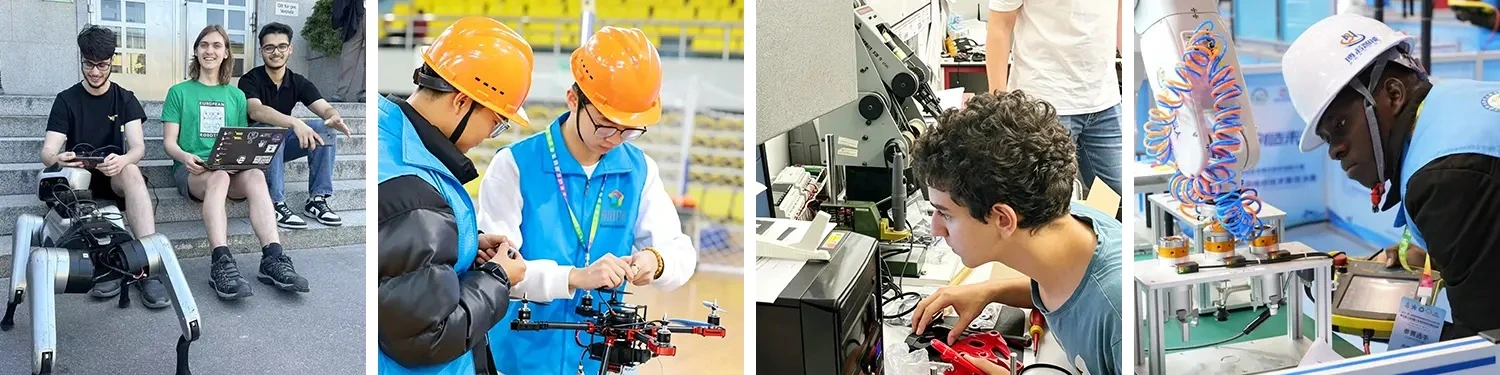
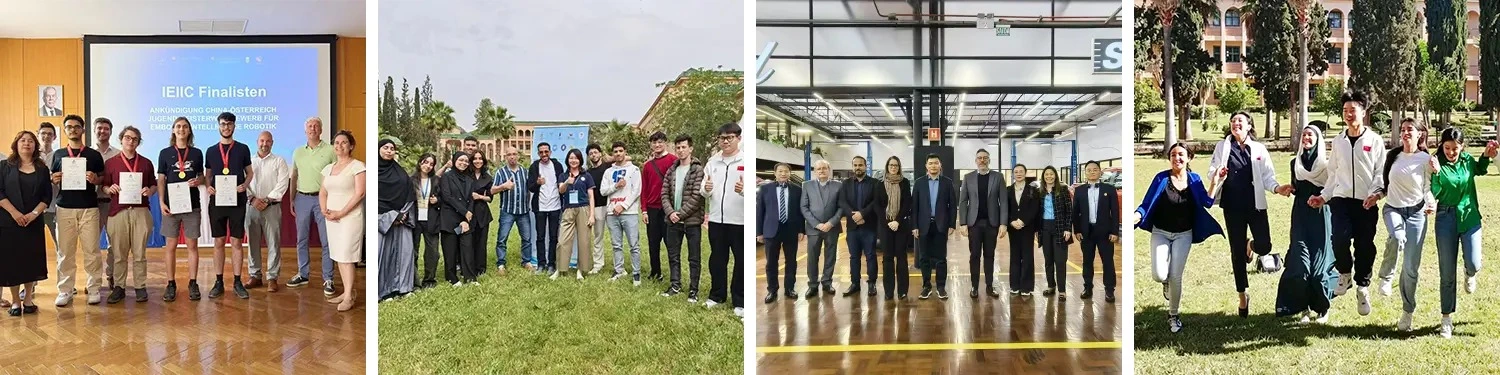
When you partner with E.C.R Academy for Industrial Energy Conservation Technology training solutions, you gain access to a proven global education ecosystem built on real-world impact. Our expertise spans:
- Extensive Training Reach: Since 2010, we've empowered nearly 500,000 participants across 28 countries, with over 300,000 earning recognized skills certifications in energy-efficient industrial practices
- Deep Industry Expertise: 16 years of specialized experience in vocational training, connecting you with practical knowledge in energy management systems and carbon reduction strategies
- Competition-Proven Methodology: Over 150 skills competitions organized, sharpening the capabilities of 30,000+ learners through hands-on energy optimization challenges
- Rich Resource Network: Access to 3,300+ industry experts, 500+ enterprise partners, and 60,000+ educational resources including energy conservation standards, simulation tools, and assessment frameworks
- Integrated Learning Approach: Project-driven curriculum combining AI-driven energy management, waste heat recovery systems, and simulation platforms supported by big data and cloud computing
FAQ
Q: Can I take this course with no prior background?
A: Yes. The course starts from foundational theory and progresses step by step, equipped with comprehensive training facilities and professional instructors.
Q: What career paths are available after completing the program?
A: Learners can prepare for roles such as:
- Energy Management Engineer / Energy Auditor
- Thermal System Energy Conservation Engineer (CHP, refrigeration and heat pump, air compressor systems)
- Electrical System Power Saving Engineer (power supply and distribution, motors, lighting)
- Energy Storage System Design and O&M Engineer
- Charging and Battery Swapping Facility Commissioning Engineer
- Power Saving and Carbon Reduction Consultant
Q: How does this program differ from traditional electric power/energy programs?
A: This program integrates two major directions—the product and power saving technology and management. Compared to traditional programs, it places greater emphasis on systematic energy conservation and intelligent management, cultivating students to master full-process energy conservation and carbon reduction capabilities from the energy input end to the electricity consumption end, adapting to the development needs of dual carbon goals and the energy internet.

Contact Us
Ready to build your team's expertise in Industrial Energy Conservation Technology? Connect with our program specialists today at ecr2008@enteredu.com to explore customized training solutions.


_1781601799781.webp)