Industrial Automation Instrumentation & Applications
Standards: Aligned with international technical skill standards
Faculty: Dual-qualified team of enterprise engineers and college experts
Platform: Browser-based online training platform for flexible learning
Employment: Skills aligned with digital and intelligent instrumentation industry needs
Target Partners: Enterprises, educational institutions, industry associations, and other organizations
Industrial Automation Instrumentation & Applications
Course Overview
The Industrial Automation Instrumentation & Applications program focuses on developing full-process technical competencies in industrial automation instrumentation—aligned with the industry's digital, networked, intelligent, and green transformation.
Covering core skill areas including instrument drawing and installation, sensor applications, PLC control technology, detection and control instruments, and smart instrument technology, the program applies international technical skill development methodology to guide learners through typical work tasks such as instrument assembly and commissioning, system operation and maintenance, fault diagnosis and resolution, and technical service support.
Why This Course?
1.Curriculum
Project-driven teaching with deep integration of theory and practice, ensuring skills are immediately applicable.
2.Standards
Aligned with international technical skill standards, the course develops skilled professionals with international technical awareness and practical capabilities.
3.Faculty
Joint instruction by enterprise engineers and academic experts, forming a dual-qualified teaching team.
4.Platform
B/S-architecture online training platform accessible through a browser, enabling learning anytime and anywhere.
5. Career Paths
Mapped to the digitalization and intelligent development needs of the instrumentation industry, helping learners build job-relevant capabilities.
What You'll Be Able to Do?
1. Read Instrument Drawings and Perform Installation
- Read and interpret instrument engineering drawings, assembly drawings, and automatic control system wiring diagrams
- Install instrument panels (cabinets) and field instruments following installation process requirements
- Apply instrument installation and acceptance standards; lay instrument piping and cabling
2. Commission and Maintain Automation Instruments
- Select and operate common tools, measuring instruments, and fixture equipment
- Commission process measurement instruments for pressure, level, flow, and temperature
- Assemble, commission, install, and maintain industrial automation instruments
3. Operate Control Systems and Handle Faults
- Operate and perform routine maintenance on automatic control systems
- Identify, analyze, and resolve common system faults
- Program, install, and commission PLC-based control systems
What You Will Learn?
|
Training Skills
|
Description
|
|
1. Instrument Drawing Reading & Installation
|
Apply instrument installation fundamentals and acceptance standards; install instrument panels (cabinets) and auxiliary devices. lay instrument piping and wiring; install and commission field instruments—developing engineering drawing reading and code-compliant installation capabilities.
|
|
2. Sensor Application Technology
|
Understand sensor operating principles and selection criteria.
Identify, test, and apply common sensor types (resistive, capacitive, inductive, temperature).
solve practical sensor application problems in production and daily use.
|
|
3. PLC Control Technology Application
|
Apply PLC fundamentals and typical compact PLC configurations.
Design application programs using basic and step instructions.
design, install, and commission PLC-based control systems.
|
|
4. Detection & Control Instruments
|
Understand operating principles of process measurement instruments (pressure, level, flow, temperature), display instruments, and control instruments.
perform instrument wiring, calibration, and maintenance.
configure instrument parameters and evaluate measurement quality.
|
Learning Environment
Wanwei Automation Training Platform is a B/S-architecture online learning and training platform for industrial automation. Built on HTML5 and WebGL technologies, it delivers a browser-based virtual simulation environment—no client software installation required. Key capabilities include:
- Core Skill Training — Supports PLC control system simulation, instrument installation and commissioning, and sensor application exercises
- Digital Teaching Resources — Provides virtual instrument panels, simulated sensors, and emulated PLCs for realistic hands-on practice
- Real-Time Interaction — Enables scene-based interaction and visual parameter monitoring for intuitive, efficient learning
- Lightweight Simulation — Simplifies industrial field operation workflows with lightweight device simulation, ensuring local and server resource synchronization
- Safe & Accessible — Reduces learning costs and eliminates safety risks associated with physical equipment, providing a professional, efficient, and convenient digital learning environment
Company Strength
At ECR Academy, our Industrial Automation Instrumentation & Applications training solutions stand out through proven results and global expertise. Here's what sets us apart:
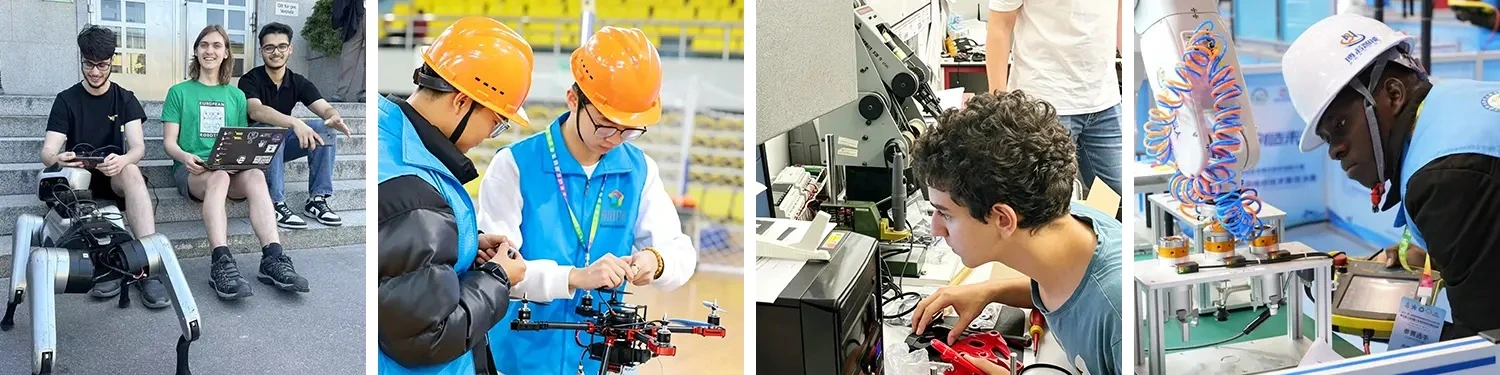
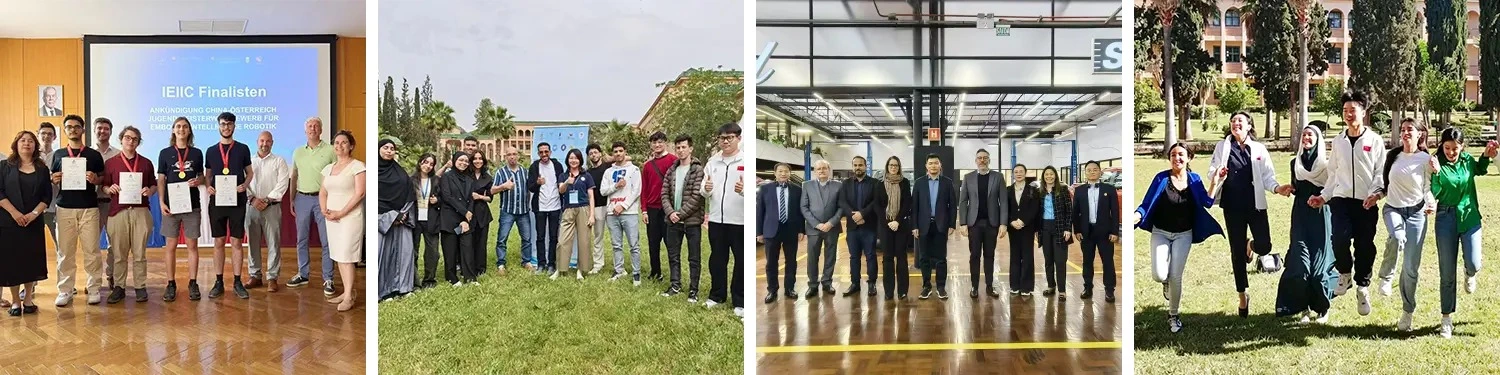
- Since 2010, we've delivered professional training to nearly 500,000 participants across China and 28 countries, with over 300,000 learners earning recognized skills certifications
- 16 years of specialized experience in vocational education equips us to bridge theory and real-world practice effectively
- Successfully organized over 150 skills competitions that trained 30,000+ learners in practical technical capabilities
- Our ecosystem includes 3,300+ industry experts, partnerships with 500+ enterprises, and 60,000+ educational resources covering standards, courseware, and assessment systems
- We offer project-driven curriculum aligned with international technical standards, taught by dual-qualified instructors combining enterprise and academic backgrounds
- Our browser-based platform enables flexible learning that directly supports your career growth in digital instrumentation industries
FAQ
Q: Can I take this course with no prior background?
A: Yes. The program uses project-driven teaching, starting with basic drawing reading and installation and progressively building core skills. The accompanying virtual simulation platform lowers the entry barrier, making it accessible for beginners.
Q: What career paths does this program prepare me for?
A: Learners can develop skills relevant to roles such as: Instrument Manufacturing Technician, Instrument Repair Technician, Industrial Automation Instrument Installation Technician, Automatic Control System Operations Technician / Specialist, Valve Assembly and Commissioning Technician, PLC Control System Technician, Instrument After-Sales Service Engineer, and Industrial Automation Technical Support Specialist.
Q: How is the platform deployed?
A: The platform is built on a B/S architecture—no client software installation is needed. Simply access it through a web browser on PC or mobile devices, and start learning and training anytime, anywhere.

Contact Us
Ready to develop future-ready automation skills with Industrial Automation Instrumentation & Applications? Connect with ECR Academy today at ecr2008@enteredu.com to explore our training programs and certification pathways.

 Product Design & Development.webp)
_1781601799781.webp)