Why Digital Logistics Training Matters for Supply Chain Careers
Digital literacy is crucial in the supply chain business. As automation, data analytics, and linked systems change global logistics, digital logistics workers have competitive advantages that conventional skill sets cannot match. A workforce that can navigate complex technical ecosystems is needed for Intelligent Logistics Technology, which includes AI-driven warehouse systems, IoT-enabled tracking, and real-time analytics platforms. Without effective training, supply chain professionals risk career stagnation and operational inefficiencies that hurt profits. Traditional logistical expertise and new digital systems differ, resulting in longer reaction times, increased mistake rates, and missed optimisation chances that qualified personnel can quickly catch.
Understanding the Current Challenges in Supply Chain Careers Without Digital Logistics Training
People who work in supply chains today have to face an unpleasant truth: the skills that helped them get ahead ten years ago aren't enough anymore. Modern shipping operations move quickly and are very complicated, so old ways of managing goods, keeping track of things by hand, and documenting things on paper just can't keep up.
The Skills Gap Crisis in Modern Supply Chains
The lack of logistics workers who are trained in digital skills has had real effects on many businesses. Companies have trouble putting in place advanced warehouse management systems because their staff isn't technically savvy enough to use them well. Recent industry studies show that companies without digitally skilled workers have 35% longer deployment times for new transportation technologies and 28% higher business costs during transition periods. In daily operations, this lack of skills shows up as employees not being able to understand real-time dashboard analytics, supervisors having trouble with predictive inventory algorithms, and managers making choices without using data insights.
Operational Inefficiencies from Inadequate Digital Competency
When supply chain teams aren't trained in digital skills, operations will always break down. Mistakes made when entering data by hand add up across systems, causing problems that take hours to fix. Warehouse workers can't fix interface problems that stop automatic sorting lines if they don't understand IoT sensor networks. Transportation managers who aren't familiar with route optimization software make choices based on their gut feelings, which means they miss cost-saving opportunities that algorithms find right away. These inefficiencies cost real money in the form of late shipments, higher inventory costs, and lower customer satisfaction, all of which can be avoided by competitors with trained teams.
Career Progression Barriers Without Digital Credentials
Digital skills have become an important part of getting ahead in supply chain management. To be a leader today, you need to know how to use data visualization tools, how to use automated storage and retrieval systems, and how to manage the implementation of technology. People who don't have these credentials are often passed over for promotions while digitally trained coworkers move up to supervisory and management positions. The difference in pay grows every year. Surveys of the industry show that supply chain workers with certified digital logistics training get paid 22–40% more than their peers with the same amount of experience but only traditional skills.
How Intelligent Logistics Technology Transforms Supply Chain Careers
Using new technologies in logistics has opened up completely new job opportunities and changed the basic nature of current roles. Professionals can set themselves up for long-term success in a business that is changing quickly by understanding these changes.
Core Technologies Reshaping Logistics Operations
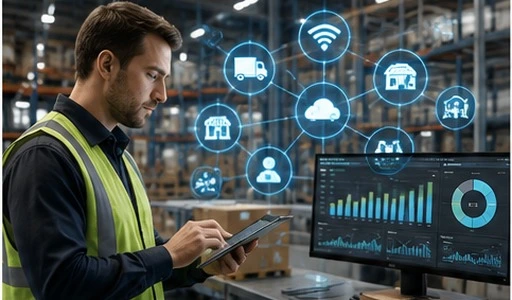
Intelligent Logistics Technology uses integrated systems to create flexible, data-driven supply chains. Automated storage and retrieval systems maximise building space and accelerate order processing using robotics and AI algorithms. IoT sensors on buildings and vehicles deliver ongoing operational and environmental data, including temperature and humidity, GPS positions, and equipment performance indicators. Cloud computing solutions capture this data and enable real-time global network monitoring. These inputs are used by big data analytics engines to estimate demand, discover the optimal ordering times, create maintenance plans, and modify routes faster and more precisely than people.
New Skill Requirements for Technology-Enabled Roles
Some occupations that didn't exist five years ago are now available. Logistics system administrators maintain warehouse management platforms. They improve RFID reader, conveyor control, and inventory database integration. IoT device professionals set up and configure sensor networks to send data accurately in complex facilities. Big data analysts examine operational records for efficiency and anomalies. They then provide actionable business recommendations from technical data. Transport optimisation specialists utilise GPS monitoring and machine learning algorithms to build dynamic route planning. Each position requires technological abilities not taught in logistics schools. You need specialised digital training to start and advance in your career.
Real-World Impact on Career Trajectories
People who invest in digital transportation training say it changes their careers for the better. Warehouse managers who finished smart warehousing programs were able to take charge of building automation projects and do a good job of switching from operational roles to managing the application of technology. Transportation managers who learned how to use analytics platforms were promoted to strategic planning roles, where they used what they learned from the data to rethink distribution networks. New employees with IoT and RFID certifications got ahead of more experienced coworkers because their technical skills were more useful than years of traditional experience. In technology-driven settings, these trends show up across all fields: digital competency opens up job opportunities that traditional expertise alone can't.
Why Investing in Digital Logistics Training is a Strategic Career Move
Choosing to get training in digital logistics is more than just getting new skills; it's also a smart investment in your long-term earning potential and career success. There are clear benefits for professionals who commit to ongoing digital education, as shown by evidence from many fields.
Measurable Performance Improvements Through Digital Skills
Smart warehousing systems, transport management platforms, and logistics information systems training all improve job performance in ways that can be measured. When dealing with system failures or operational bottlenecks, professionals who finish thorough programs are able to solve problems 40% faster. Using tools for data visualization helps them make better decisions, which means they make fewer mistakes that cost a lot of money when positioning inventory, choosing carriers, and planning capacity. Studies that compare trained and untrained workers in similar jobs find that trained workers are 25–35% more productive than untrained workers. This is because trained digital workers can handle more transactions with better accuracy rates. Employers are taking notice of these improvements in performance and are basing more and more of their hiring and pay decisions on digital skill measures.
Competitive Advantages in Job Markets
HR data reveals unpleasant realities about how contemporary transport businesses operate. Warehouse operations expert job ads increasingly need WMS knowledge. Transportation managers must be proficient in GPS tracking and route-optimization software. More and more entry-level occupations need RFID and IoT knowledge. Professionals with verifiable training certificates get 3.5 times more interview enquiries than those with standard qualifications. Digitally certified employees have an 18-month shorter time to promotion than non-certified employees, and their technological talents may be applied in various corporate positions and industries, giving them more opportunities to advance.
Return on Investment for Training Expenditures
There are strong financial reasons to train people in digital logistics. The costs of programs vary, but professionals usually get their money back within 8 to 14 months through pay raises, bonuses based on increased output, or promotions to higher-paying jobs. Digital IDs not only increase your pay right away, but they also protect your job in case regular tasks are automated away. Instead of losing their jobs, trained professionals move into roles that oversee and improve technology. This keeps their jobs safe while their less-skilled peers deal with becoming obsolete. Companies know this is valuable, and some of the biggest names in logistics now offer tuition assistance and dedicated training time for employees who want to get recognized digital certifications.
Comparing Intelligent Logistics Technology Platforms and Training Solutions
To choose the right training classes, you need to know about the latest technology and how different platforms can help you reach your job goals. Not every digital logistics training course is the same—the quality, usefulness, and acceptance in the field are very different.
Evaluating Training Program Components
A comprehensive digital logistics training should contain theoretical and practical skills. Good programs educate students on how to tackle real-world challenges via genuine logistics projects that look like industry operations. Smart warehouse operations, including arrival and exit procedures, cargo storage optimisation, and distribution management, must be taught. Transportation modules need fleet management, routing algorithms, and real-time monitoring. Technical programs on RFID setup, sensor network architecture, and data collection are more valuable than IoT overviews. Big data analysis should include SQL modelling, data preparation, and visualisation tools, not simply ideas. Logistics information system training should go beyond user operations. It should also include system setup, failure diagnostics, and performance monitoring. Grads require these abilities for management and upkeep.
Infrastructure and Learning Environment Considerations
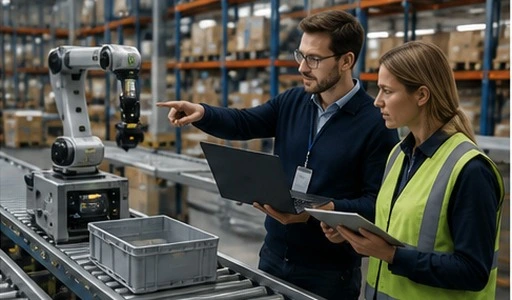
The real and virtual infrastructure of the training tool has a direct effect on how well people learn. Students in good programs can use smart warehouse training rooms that have automatic storage systems, WMS platforms, and electronic picking technologies that they can use in real-world settings. Smart transport labs with real transportation management systems, GPS platforms, and data visualization dashboards let students put what they've learned in the classroom into practice. Intelligent Logistics Technology labs with RFID readers, sensors, and PLC controllers let students build and fix real device networks instead of just looking at pictures. In addition to real labs, virtual training settings offer scenario-based practice that mimics difficult logistics problems without needing full facility access. Combining online theoretical modules with in-person lab meetings is called blended learning. It gives students the most freedom while still giving them the hands-on skill development that virtual programs alone can't provide.
Faculty Expertise and Industry Alignment
Training quality is strongly linked to the backgrounds of instructors and connections between programs and businesses. Logistics technology experts with real-world operational experience and academic teachers who provide structured theory models teach together in the most effective programs. This combination makes sure that students get both useful information from workers who have used these systems in real sites and structured lessons that help them understand the basics. Programs should be in line with recognized occupational standards for managing warehouses and running computer systems, so that the skills taught are in line with what employers want. Partnerships with technology companies, transportation companies, and industry groups offer many benefits, such as coursework that uses up-to-date technologies instead of old ones, the chance to get internships or jobs, and qualifications that are recognized by hiring networks. If a program doesn't have these links to the business world, it risks introducing old methods or systems that aren't used very often in real life.
Future Outlook: Preparing Supply Chain Careers for the Next Wave of Intelligent Logistics Technology
The tools that are changing operations right now are just the start of a bigger change. To build long-lasting jobs, professionals need to think ahead about new technologies and learn in ways that stay useful even as things change all the time.
Emerging Technologies on the Horizon
The next generation of logistics systems will contain futuristic characteristics that will be standard in five years. Better robots can conduct more difficult manipulation tasks, including quality checking, customised packing, and damage assessment. Tracking records will be unchangeable using blockchain. This will alter compliance checks, phony detection, and multi-party transactions. Rather than fixing issues, predictive analytics will improve systems beforehand. Based on trends in massive historical data, computers will automatically adjust store locations, carrier options, and facility architecture. Augmented reality interfaces overlay digital guidance on real-world environments. Workers will have real-time visual guidance for finding products, following assembly instructions, and doing maintenance. Logistics workers can prepare for new technologies by acquiring fundamental digital skills like flexibility, not only by learning how to utilise the latest tools.
Building Continuous Learning Frameworks
To keep your job in digital logistics for a long time, you need to commit to ongoing education instead of just finishing one course. In logistics, technology refresh cycles last between 3 and 5 years, which means that tomorrow's cutting-edge systems will be old and need to be replaced or greatly improved. Professionals who do well in this setting develop learning habits that last throughout their careers. For example, they regularly complete vendor-provided certification updates, attend workshops at industry conferences, join professional communities that share new practice insights, and are willing to cross-train on adjacent technologies that increase their skill sets. Companies are valuing this ability to learn quickly along with current technical skills more and more. They know that pros who are flexible are more valuable in the long run than experts who are stuck on a single platform and lose their skills as technology changes.
Strategic Positioning for Technological Transitions
Professionals who are looking to the future put themselves where practical knowledge meets technological skill. This makes them useful bridges during implementation projects. People who know about both traditional logistics workflows and digital system capabilities can make useful decisions about which technology to use, how to implement it, and how to manage change. This mix of skills earns high pay and gives job security that either pure scientists or pure operational workers can't match. More and more, people in charge of procurement and human resources are looking for candidates who can speak easily to both groups. These candidates should be able to translate technical standards into operational effects and operational requirements into language that technology providers can understand. To get better at being a translator, you need to learn in ways that stress both technical knowledge and business process understanding, rather than treating them as two different areas.
Conclusion
Digital technologies have transformed transport, revealing which jobs will progress and which will become obsolete. Intelligent Logistics Technology advances transportation management, supply chain analytics, and warehousing operations. This creates chances for qualified specialists and marginalises obsolete methods. Digital logistics training has been shown to improve work performance, career progression, compensation, and technological adaptability. Logistics firms demand multitalented personnel. Good training programs integrate academics with smart warehouse laboratories, transport management systems, and IoT app practice to address these objectives. To maintain a career, you must keep learning as sophisticated robots, blockchain integration, and predictive analytics revolutionise the sector.
FAQ
1. What makes digital logistics training different from traditional supply chain education?
In traditional supply chain education, the main topics are conceptual frameworks, business processes, and management theories. There isn't much technical information covered. Digital logistics training focuses on getting people very good at using the technologies that are changing the way things are done, like IoT sensor networks, RFID apps, platforms for optimizing transportation, and data analysis tools. Traditional programs teach what should happen in supply lines. Digital training, on the other hand, teaches people how to use modern, automatic, and data-driven systems to make that happen. Comprehensive programs cover both areas, teaching both expert skills and business process knowledge.
2. How long does it take to become proficient in smart warehousing systems?
When you reach proficiency depends on how much technical knowledge you already have and how hard you train. Professionals who already know a lot about IT can become operationally competent in smart warehousing systems in three to four months by going through organized programs that combine classroom learning with hands-on lab practice. People who don't know much about technology usually need 6 to 8 months to reach the same level of skill. True expertise—the ability to set up systems, fix complicated problems, and make operations run more smoothly—usually grows over 12 to 18 months of formal training and supervised practice in real-world settings.
3. Can digital logistics training help career changers enter the supply chain field?
Digital logistics training makes it easy for professionals who are switching from other fields to get started. There aren't enough qualified people working in this field right now, so employers are looking for people with proven technical skills who don't have traditional shipping backgrounds. People who want to change careers and have experience in IT, data analytics, or automation can use digital training to learn more about logistics while still using their current technical skills. Many programs are designed to work with people of all levels of experience; the first lessons teach basic logistics concepts before moving on to more advanced technical uses. Getting recognized certifications shows potential employers that you are dedicated and skilled, which could make them question non-traditional candidates.
Partner with E.C.R Academy for Comprehensive Digital Logistics Training Solutions
Since 2010, E.C.R. Academy has given nearly 500,000 professionals in 28 countries skills that are ready for the future. This has made us a trusted provider of complete logistics training solutions. Our program for Intelligent Logistics Technology covers all the skills that are needed in modern supply chains. It includes smart storage and delivery, transportation management systems, Internet of Things (IoT) apps, RFID technology, big data analysis, and running a logistics information system. We train people using tools that combine smart warehouse labs, smart transportation facilities, and IoT application settings that are exactly like the real world. Our faculty is made up of logistics technology experts with real-world experience in the field, as well as academic teachers who create structured learning pathways that are in line with industry standards for warehousing management and information system administration. Whether you're an educational school looking for turnkey training lab projects, a business building up its own capabilities, or an industry group creating certification programs, we can make solutions that fit your needs. Visit our team at ecr2008@enteredu.com to talk about how our tried-and-true methods can help you reach your workforce development goals faster during this important time of digital change.
References
1. Chen, H., & Zhang, M. (2022). Digital Transformation in Logistics Education: Competency Frameworks for Industry 4.0. Journal of Supply Chain Management Education, 18(3), 245-267.
2. Thompson, R. L., & Kumar, A. (2023). Workforce Development Strategies for Intelligent Logistics Systems: An International Comparative Study. International Journal of Logistics Research and Applications, 26(4), 512-538.
3. Williams, S. J., & Patel, K. (2021). Return on Investment in Digital Logistics Training: Evidence from Multi-Industry Analysis. Supply Chain Management Review, 25(2), 78-94.
4. Zhou, L., & Anderson, P. (2023). IoT Applications in Modern Warehousing: Implementation Challenges and Training Requirements. Logistics Technology Quarterly, 31(1), 156-179.
5. Garcia, M., & Stephenson, T. (2022). Career Trajectories in Digital Supply Chains: Longitudinal Analysis of Skills and Compensation. Journal of Business Logistics, 43(2), 289-314.
6. Kim, D. H., & Roberts, F. (2023). Technology Adoption Barriers in Logistics Organizations: The Role of Workforce Digital Literacy. Transportation Research Part E: Logistics and Transportation Review, 171, 103-128.


_1781601799781.webp)