Renewable Energy Equipment Technology: A Practical Course Guide
The renewable energy sector faces a critical skills gap as equipment technologies advance at an unprecedented pace. Renewable energy equipment technology represents not just hardware systems but a comprehensive ecosystem where solar photovoltaic panels, wind turbine components, battery storage units, and smart grid interfaces converge. organizations seeking to build internal capacity—whether vocational institutions preparing tomorrow's workforce, manufacturing enterprises upskilling production teams, or industry associations certifying professionals—confront shared obstacles: outdated training methods, theory-heavy curricula disconnected from real production floors, and rapid obsolescence of technical knowledge. this practical course guide explores how project-driven, industry-aligned education transforms learners into competent technicians capable of assembling, commissioning, maintaining, and troubleshooting modern clean energy systems.
Understanding Renewable Energy Equipment Technology
What Defines Modern Clean Energy Systems
Clean energy systems are made up of complex parts that combine mechanical and electrical skill. Wind power equipment includes nacelles that hold gears and generators, rotor blades that are designed to be aerodynamically efficient, and towers that can handle harsh weather. Photovoltaic panels with maximum power point tracking inverters, mounting structures designed to withstand wind loads, and monitoring systems that give real-time data on performance are all part of solar setups. Irena (2023) says that these systems need workers who know not only how the parts work separately but also how the different sections work together to turn renewable energy into stable electricity output.
Core Technical Domains Across Technologies
In this area, training includes seven skills that work together. Equipment assembly technology includes understanding the structure of power generation systems, putting together mechanical and electrical parts in the workshop according to industry standards, and managing multiple trades during installation on-site. Commissioning technology improves inspection methods for the workshop, testing procedures for the field, and proof of combined systems. Building modules, especially for solar uses, teaches skills like how to connect, use a laminator, and check the quality of the work. U.S. Department of Energy (2024) says that the testing and control units take care of choosing sensors, processing signals, figuring out what electrical diagrams mean, and calibrating the control system.
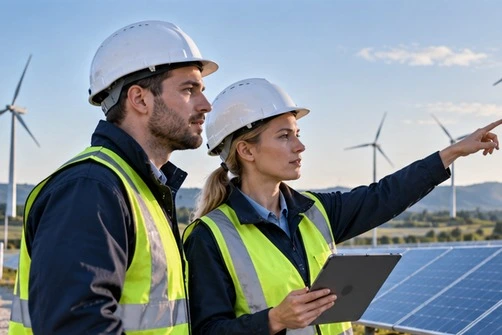
Technicians learn how to do regular checks, fault diagnosis processes, equipment servicing that follows the manufacturer's instructions, and accurate paperwork through maintenance and overhaul training. Power conversion technology looks at circuits like rectifiers, DC-DC converters, and inverters that are needed for grid integration. Lastly, skills in power supply and distribution include relay safety methods, load estimates, short-circuit analysis, and maintaining substation equipment. These are skills that can be used in both utility-scale and distributed generation settings.
Latest Innovations Reshaping the Industry
The development of technology makes it harder to train new workers faster. In commercial production, N-type TOPCon solar cells now have more than a 25% conversion efficiency, which means that handling and testing methods need to be updated. Offshore wind turbines can produce up to 15MW of power, and their blades are longer than 115 meters, which means they need to be rigged and put together by people with special skills. Lithium iron phosphate and solid-state chemistries with complicated thermal management needs are used in battery energy storage systems. Digitalization brings about proactive maintenance using vibration analysis sensors, thermal imaging diagnostics, and SCADA platforms with AI built in to find strange behavior (Nature Energy, 202Р).
Comparing Renewable Energy Equipment Technologies for Business Procurement
Solar Photovoltaic Versus Wind Power Systems
When companies look at their training budgets, they need to know what skills are needed for each technology. Solar PV training focuses on the basics of electricity, like how DC circuits work, how to set up module strings, and how to change the parameters on an inverter. Mechanical training is more focused on racking systems and tracking mechanisms. The physical needs are still modest, and most of the work is done at or near ground level. Training in wind power needs stronger mechanical skills, like knowing how to operate gearboxes, hydraulic systems, and check the integrity of structures. It also needs similar electrical skills to solar power, but with more complex three-phase AC generation. According to the Journal of Cleaner Production (2024), getting a height safety certificate is now required because turbine entry is at 80–120 meters high.
Installation times are very different. For 50MW of power, ground-mount solar farms can be finished in 6–9 months, which gives training groups time to see full project processes. Due to foundation curing, tower assembly logistics, and turbine commissioning sequences, building a wind farm takes 18–24 months, which means that learning has to happen in stages. Cost structures affect how institutions make decisions. For example, solar training labs need smaller spaces and modular equipment setups that start at $150,000. Wind training, on the other hand, needs specialized nacelle simulators and tower climbing facilities that cost more than $500,000.
Hybrid Systems and Energy Storage Integration
Hybrid installations that combine solar panels, wind turbines, and battery banks are becoming more important for the new workforce. For these systems to work, people need to know about a lot of different types of power technologies and how to design energy control systems. It is important for training programs to cover things like load forecasting algorithms, dispatch optimization strategies, and grid synchronization protocols. Battery systems add electrochemical safety concerns—preventing thermal runaway, cell balance processes, and fire control protocols—that aren't covered in training that only covers production. Schools that teach students a lot about generation, storage, and control technologies prepare their graduates for better jobs in microgrid design and operations management.
Cost Analysis for Training Infrastructure
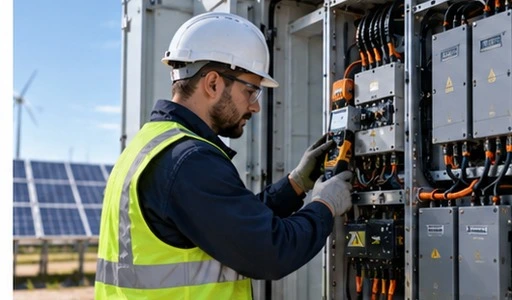
Budget-conscious leaders weigh the pros and cons of real tools and simulation technologies. When you buy used turbines or solar panels the old way, you have to deal with depreciation and maintenance. Virtual modeling platforms can now accurately copy the behavior of renewable energy equipment technology for 60–70% of training goals at a cost 30% of that of real equipment. The best solutions include both basic skills labs with real electrical panels, motor drives, and instruments, and advanced training through digital twins that simulate fault situations that would be too dangerous or expensive to repeat in real life. Cloud-based platforms allow access from anywhere, so they can be used outside of planned class hours and with students who live in different areas.
How to Select and Procure Renewable Energy Equipment Technology
Defining Training Requirements and Learning Outcomes
The first step in making a good program is to connect professional skills to job roles in the business. Process design engineers need to know a lot about how things work and how to model their performance, but they don't need to be good at putting things together by hand. Installation workers need to be good at mechanical fastening, electrical termination, and safety measures, but they don't need to be great at doing math. Diagnostic troubleshooting, preventive maintenance scheduling, and repair techniques are given top priority by operations and maintenance staff. There should be a list of competency levels (awareness, working knowledge, or mastery) for each type of learner in the training specifications. This will make sure that the curriculum scope matches workforce development goals instead of just general technical surveys.
Training methods are affected by things in the environment and the situation. Coastal areas that want to build offshore wind farms need people who are certified in marine survival and salt spray corrosion awareness. Utility-scale solar in desert climates focuses on reducing dust, figuring out how to lower temperatures, and managing heat stress. When installing in a cold environment, you need to think about ice loading, freeze protection, and how well the battery will work in cold weather. Geographically relevant training helps people remember what they've learned and shows that the school is aware of the needs of the local industry. This builds stronger relationships with employers and improves the chances of graduates getting jobs.
Regulatory Compliance and Certification Alignment
OSHA rules about electrical safety (1910 Subpart S), fall protection (1926 Subpart M), and limited space entry must be covered in training classes for the U.S. market. Students should be able to get NABCEP certifications that show they know how to put solar panels or meet AWEA training standards for wind techs. European institutions follow both IEC standards and national frameworks, such as the EQF qualifications in Germany and the City & Guilds credentials in the UK. Accreditation shows potential students that a program is good and lets hiring managers know that graduates can do the job. This has a direct effect on registration demand and industry acceptance.
Grid interconnection standards set the efficiency rules for equipment. In North America, IEEE 1547 compliance requires certain inverter functions, such as voltage and frequency ride-through, reactive power support, and ramp rate limits. Technicians get ready for commissioning tasks that check equipment meets utility interconnection agreements by learning about these protocols. Understanding regulatory landscapes helps schools make courses that are relevant and helps businesses find training partners whose programs meet their operational compliance needs.
Evaluating Training Providers and Delivery Models
When making choices about purchases, people look at standard classroom teaching, online distance learning, and hybrid formats. Campus programs let you use all the tools and talk to the teacher directly, but they limit your ability to reach people in other areas and change your plan. Online platforms can be scaled up easily and work well for busy professionals, but they have trouble teaching practical skills without extra help. Hybrid models, which combine online theory with intensive in-person labs, are becoming more popular among vocational schools and corporate training departments because they balance accessibility and practical skill development.
Provider review should check the credentials of the teacher, making sure they have both academic certificates and experience in the field. Professionals in the field know about new brands of equipment, how to install it, and how to fix problems that textbooks can't cover. When you work with equipment makers, you can get the newest hardware, detailed information, and sometimes even free training units. By looking at company satisfaction polls, job placement rates for graduates, and third-party approval status, buyers can get a better idea of how effective a program really is than just believing what the marketing says.
Overcoming Challenges in Renewable Energy Equipment Technology Deployment
Technical and Logistical Obstacles in Training Delivery
Getting equipment on time is a problem when a school starts. Custom training systems, like wind turbine nacelles or utility-scale inverters, need to be ordered and installed at least 6 to 12 months in advance. To avoid delays, institutions should start buying things at the same time as they are developing their curriculum, rather than one after the other. Managing cash flow is easier with modular equipment designs that let you buy things in stages. The original investment covers basic electrical and mechanical systems, and as enrollments rise and funds build up, specialized production equipment is added.
There is only so much room for hands-on training, especially for big mock-ups of equipment. Some creative solutions are to move groups of people between available equipment stations, work with nearby schools to share specialized equipment, and use industry training facilities when they're not busy. Mobile training units, like solar panels on trailers or small wind turbine simulators, let you reach campuses or work sites that don't have permanent infrastructure. These methods need careful planning of schedules, but they make entry wider without having to build more expensive set installations.
Addressing Workforce Development and Faculty Expertise
Schools address faculty shortages through industry professionals, mentoring, manufacturer certifications, and industry-based projects that keep instructors current. Industry advisory groups should review curricula regularly, while modular course structures allow targeted updates as technology changes. Digital learning resources and industry partnerships further ensure training remains relevant, practical, and aligned with evolving workforce needs.
Supply Chain and Partnership Strategies
Diversifying renewable energy equipment technology suppliers and using refurbished or leased systems can reduce supply-chain risks, costs, and obsolescence. Strategic partnerships with project developers provide structured internships, real-world training, and verified entry-level talent. Formal agreements should define responsibilities, safety requirements, and learning goals, ensuring these partnerships deliver meaningful educational experiences beyond campus.
Future Outlook and Strategic Trends in Renewable Energy Equipment Technology
Policy Drivers and Market Demand Evolution
Policy initiatives and corporate renewable commitments are accelerating clean-energy deployment and creating demand for skilled workers across utility and commercial sectors. Decarbonization is also expanding opportunities in hydrogen technologies, including electrolyzers, compressors, and fuel cells. Forward-looking training programs can prepare graduates for these evolving roles through specialized modules and credentials.
Technology Integration and Smart Energy Systems
Modern technicians need digital skills alongside mechanical and electrical expertise, including SCADA, IoT, data visualization, cloud systems, and cybersecurity. AI supports predictive maintenance and fault detection but cannot replace human troubleshooting, critical thinking, or problem-solving. Training should therefore integrate smart technologies while emphasizing skilled workers as essential partners to automation.
Building Ecosystem Partnerships and Innovation Capacity
Building partnerships with research institutions, incubators, startups, and industry groups provides access to emerging technologies, business opportunities, policy updates, and workforce trends. Continuous improvement through feedback and innovative teaching methods helps training programs adapt to technological changes, strengthen learning outcomes, and remain competitive in increasingly crowded education markets.
Conclusion
Renewable energy equipment technology requires practical, industry-aligned schooling that combines academic background with a lot of hands-on experience. When you combine project-based learning, simulation platforms, and hands-on experience with real equipment, you get skilled technicians who can do the work that employers want in the solar, wind, and energy storage fields. For success, you need to carefully choose what to buy, making sure that real assets and digital tools are balanced, finding and hiring qualified teachers through industry partnerships, and making sure that the curriculum stays relevant through advisory input and constant improvement. By investing in comprehensive training infrastructure, businesses position themselves as key players in developing the clean energy workforce and building long-term institutional capacity. As market demand and policy support speed up the use of green energy, well-designed training programs become valuable assets that connect the talent supply with the needs of the industry.
FAQ
1.What qualifications do learners need before starting renewable energy equipment training?
Most classes will accept people who have completed high school and are good at simple math, like algebra and trigonometry. Having worked in the electrical or mechanical trades before is helpful, but not required. The foundational modules teach you what you need to know before you start. Different jobs require different levels of physical exercise. For example, wind technicians need to be able to work at heights and lift heavy things, while solar installers need to be able to do modest amounts of physical work. Technical skills are less important for success than the ability to solve problems by hand and the desire to work outside in all kinds of weather. Some advanced classes for jobs as supervisors may need associate degrees or work experience that is comparable.
2.How do maintenance requirements differ between solar and wind systems for training purposes?
Maintaining solar equipment is mostly about making sure the electrical connections work, making sure the inverter works, and following cleaning instructions for modules that aren't too complicated mechanically. Maintenance on wind turbines involves a lot of complicated mechanical systems, like gearboxes, bearings, and hydraulic pitch controls. This requires more advanced mechanical skills and special tools. In wind training, there are also climb rescue techniques and limited space rules that aren't covered in solar training. The higher costs of training are due to the fact that wind programs need more expensive safety gear and specialized modeling systems. When institutions choose niches, they should look at the makeup of the regional industry and give priority to technologies that match local job openings.
3.Where can organizations find certified suppliers for renewable energy equipment training systems?
Reliable companies that sell training equipment include Festo Didactic, Lab-Volt, and Feedback Instruments, which all offer standard learning platforms. Specialized companies like Windergy and Solar Energy International can make custom solutions by installing systems that meet the needs of a certain program. Siemens Gamesa, Vestas, SMA, and Fronius are just a few of the equipment makers that offer training hardware and expert help to boost the reputation of institutions. Industry groups keep lists of suppliers and help people meet with each other. The procurement department should check to see if the seller has experience working with educational markets, look at customer examples from similar institutions, and make sure that there is expert support and replacement parts availability throughout the lifetime of the equipment.
Build Your Renewable Energy Workforce with ECR Academy
You can count on ECR Academy to help you build world-class skills in solar, wind, and energy storage technologies. Our renewable energy equipment technology training programs include project-based lessons that are in line with international standards, full modeling tools that use big data and cloud computing, and lessons taught by both engineers and academics. We make sure that the training pathways we offer are tailored to your specific workforce development goals, whether you are a vocational institution creating specialized programs, a business improving the skills of production teams, or an industry association certifying professionals.
With 16 years of experience helping over 500,000 students in 28 countries with over 60,000 developed tools, we know how hard it is for businesses to find good training methods. Our ecosystem approach puts you in touch with equipment providers, accrediting bodies, and employer networks. This way, you can be sure that your investment will lead to measurable skill development and strong graduate job placement outcomes. Check out how our Renewable Energy Equipment Technology options can help you get ready for the job market faster. You can talk to our experienced team about your training needs by emailing ecr2008@enteredu.com or visiting enteredu.com.
References
1. International Renewable Energy Agency (IRENA). (2023). Renewable Energy and Jobs: Annual Review 2023.
2. Journal of Cleaner Production. (2024). "Skills requirements for offshore wind technicians: A comparative analysis." Journal of Cleaner Production, 438, 140753.
3. Nature Energy. (2023). "Advanced photovoltaic technologies and workforce implications." Nature Energy, 8(10), 1102–1115.
4. U.S. Department of Energy. (2024). Solar Energy Technologies Office 2024 Report.
5. U.S. Department of Energy. (2024). Wind Energy Technologies Office: Workforce Development.
6. World Economic Forum. (2023). Future of Jobs Report 2023: Energy Transition Skills.


_1781601799781.webp)