Building Better Products Through Digital Mechanical Design Innovation
Digital mechanical design is reshaping how engineers approach product development. By replacing paper-based drafting with integrated CAD modeling, CAE simulation, and virtual manufacturing workflows, teams can catch structural problems before a single part is machined. Research from McKinsey & Company (2023) shows that companies adopting digital engineering tools cut product development cycles by up to 40%. Whether you lead a university mechanical engineering program, manage a technical training institute, or oversee an R&D team in the equipment manufacturing sector, understanding this shift is no longer optional — it is a baseline expectation.
Understanding Digital Mechanical Design: Foundations and Benefits
What It Actually Means
Digital mechanical design is more than just moving models from paper to a computer screen. This is a workflow that combines parametric 3D modeling, finite element analysis (FEA), computer-aided manufacturing (CAM), and Model-Based Definition (MBD) into a single process that can be tracked. From the first idea to the production documents, the design purpose stays the same.
Core Technical Benefits
Once you see the facts, it's easy to see the real-world benefits. FEA-based stress analysis can find places in complex assemblies where they will fail from fatigue before they are physically tested. Virtual assembly tools find paths of interference and collision in systems with more than one part. These features cut down on expensive design changes made too late in the process. The Aberdeen Group found that these changes were responsible for nearly 60% of all product development cost overruns.
How Leading Platforms Deliver Value
Different platforms, like ZWCAD, SolidWorks, and CATIA, are made to meet different goals in the engineering process. For example, ZWCAD gives institutions a cheap way to start making compliant CAD programs without having to pay a lot for expensive enterprise licenses. The right platform for your team will depend on how big it is, how complicated the assemblies are, and whether cloud-based access is needed for engineering or distributed learning teams.
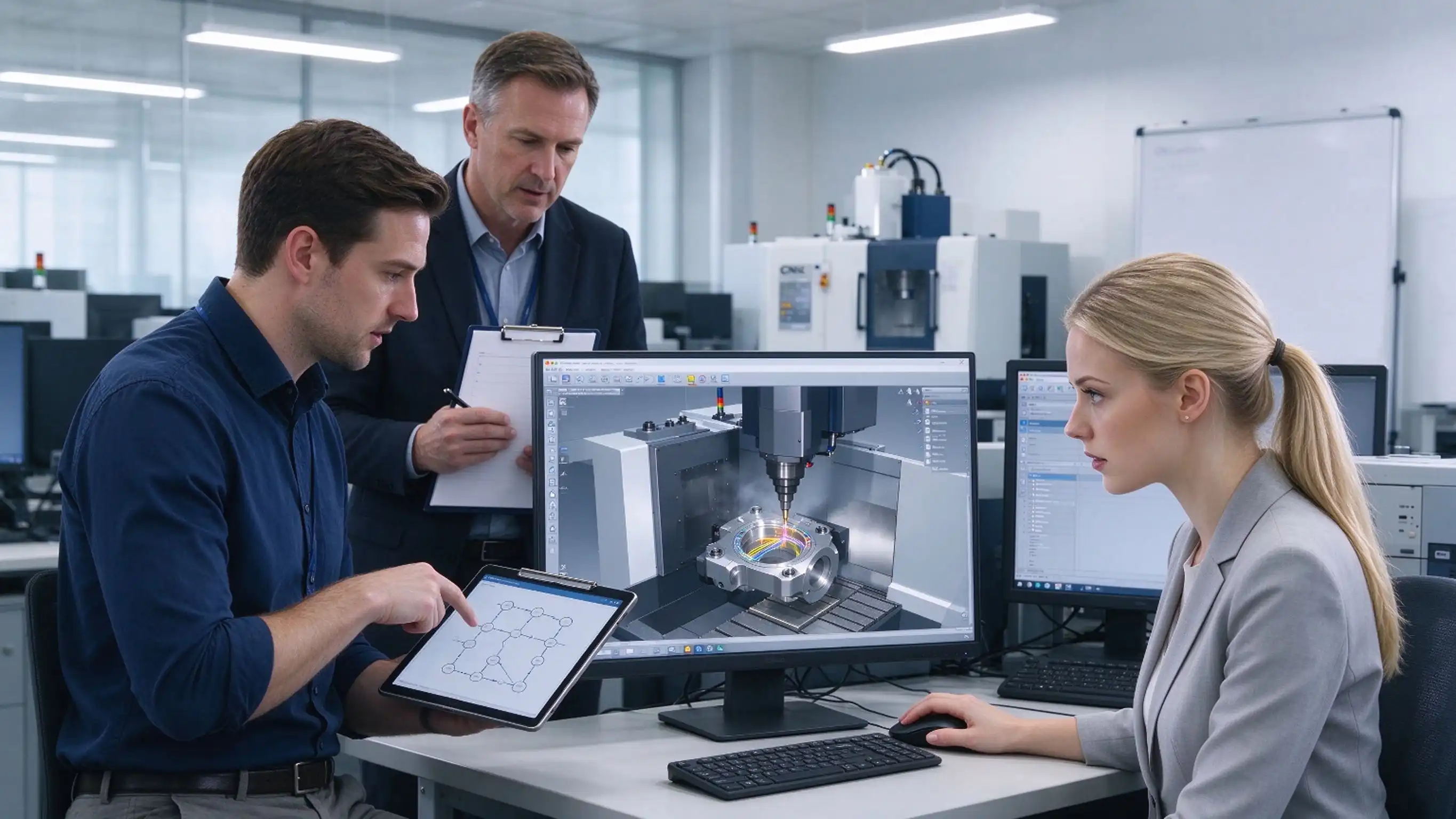
From Traditional to Digital: Evolution in Mechanical Design Practices
The Cost of Staying Manual
In traditional mechanical drafting, real samples are used a lot to test design ideas. Depending on the material and how hard it is to machine, a single real sample for a precision mold part can cost anywhere from $5,000 to $50,000. When a design flaw shows up at that point, the cost of rework goes up quickly. This is a problem that has been known for a long time in the supply lines of companies that make cars and robots.
The Phases of a Modern Digital Workflow
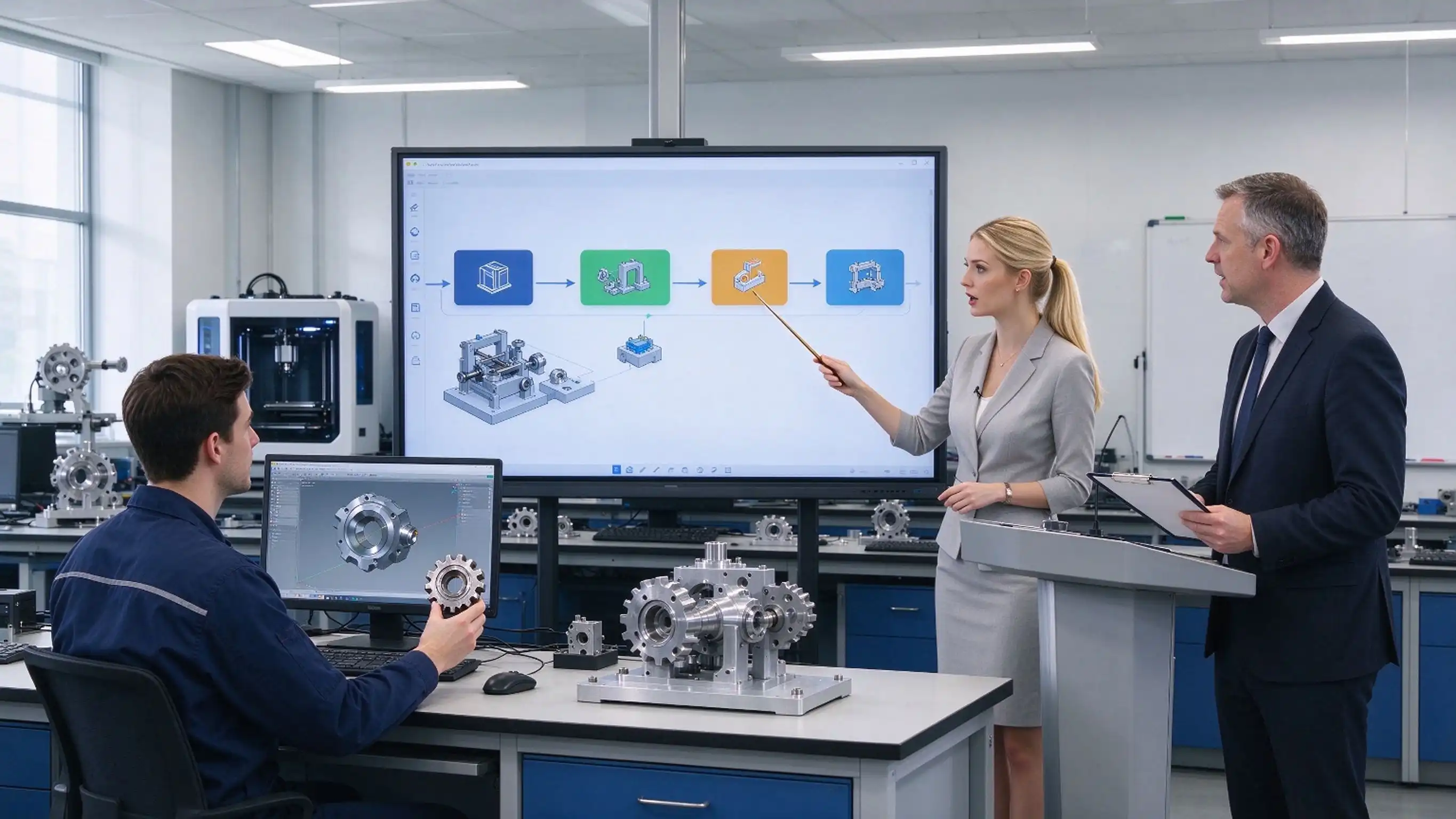
A structured digital mechanical design process has clear steps that are all linked to each other. Engineers start by using parametric 3D models, then move on to virtual assembly testing, and finally run structural and thermal simulations before making manufacturing paperwork that is ready for CNC. From idea to production, each step feeds into the next, making a data-consistent chain. The Digital mechanical design course at ECR Academy is designed to teach students how to work comfortably through each stage of the process.
Real-World Adoption Evidence
A 2022 report by Deloitte found that companies that combined CAD-to-CAE workflows cut the number of physical prototype iterations by an average of 3.2 cycles per product. In the case of a company that makes hydraulic parts and releases 20 new products every year, that means a big savings in both cost and time.
Choosing the Right Digital Mechanical Design Software for Your Business
Evaluating Deployment Models
Whether software is installed on a computer or accessed through the cloud has a direct effect on how engineering teams and schools train and work. Cloud platforms let engineers and students access tools from any workstation. This makes it easier to buy hardware and supports structures like hybrid learning or distributed teams. This flexibility is especially helpful for technical schools that are trying to stay within their budgets.
Matching Software to Workflow Scope
Not every project needs a PLM solution that works across multiple disciplines. Employers expect mechanical engineers to have a certain set of skills, which can be taught on a platform that includes 2D engineering drawing, 3D modeling, virtual assembly, CAE structure analysis, and CNC code preparation. For this reason, ECR Academy's course platform is designed to support the whole process without adding extra work.
Compliance and Licensing Considerations
Institutions that use a lot of CAD and CAE tools have to worry about making sure they follow the rules for software licenses. The cost per seat for educational licenses from reputable providers is much lower than for commercial versions, but they need to be checked against the most recent vendor partnership policies. To keep themselves out of trouble with the law and their image, institutions should make sure that the platform they choose is in line with the rules of a valid academic license.
Enhancing Efficiency and Innovation through Digital Mechanical Design
Simulation as a Design Tool, Not Just a Check
A lot of engineering teams use simulation as a last step to make sure everything is okay, not as a tool for active design. This is a chance that was lost. When FEA and motion simulation are used early on in the modeling process, designers can test different types of materials, wall thicknesses, and joint arrangements in minutes instead of weeks. What this means is that it's faster to come up with a plan that meets all three standards at the same time.
AI-Assisted Design and Industry 4.0 Integration
Several popular CAD programs for digital mechanical design now have generative design algorithms that can make optimized geometries for reducing weight while still meeting targets for structural integrity. According to Siemens Digital Industries (2023), generative tools have made battery housings for electric vehicles 20–35% lighter than traditional designs while still meeting the same crash load requirements. It is not a luxury for schools that train engineers for modern industry to teach these skills; they have to be a part of the curriculum.
Connecting Design to Manufacturing
The straight link between design data and CNC programming is one of the most useful benefits of a linked digital process. CAM tools can make tool paths straight from a 3D model that has full GD&T annotations and material specs. This cuts down on the mistakes that happen when the design and manufacturing teams work from different sets of documentation.
Partnering with Experts: ECR Academy's Digital Mechanical Design Program
What ECR Academy Offers
Since 2010, ECR Academy has helped nearly 500,000 people in China and 28 other countries improve their professional skills and get tested on them. As a result of our classes, more than 300,000 students have gained certified skills. Our Digital mechanical design course is project-based and meets world standards for professional skills. Instructors include both people who work in the field and skilled academics.
This is what the lesson is mostly about:
- Mechanical design creation: Engineering drawings with ZWCAD/3D, 3D modeling and optimization, virtual assembly, motion simulation, and CAE finite element analysis.
- Digital manufacturing process and CNC programming: Machining process planning, CNC program development, CAM tool path generation, and virtual machining simulation covering material selection, cutting parameters, and post-processing.
- Engineering problem-solving: Real-project application of engineering judgment, structural optimization, cost awareness, and adherence to industry safety standards.
There is a direct link between these three competency areas and the job skills that robotics companies, auto suppliers, equipment manufacturers, and mold makers look for in new engineering graduates and trained technicians.
Who This Program Serves
The program is made for mechanical engineering students at the undergraduate and graduate levels, as well as for students at technical institutes and engineers who are switching careers to digital design roles. It is also set up to help institutional partners like businesses, industry groups, universities, and technical schools create legal training programs with approved learning materials that are relevant to the job.
The Learning Environment
Students use a platform of industrial-grade software that helps with the whole process, from engineering drawings and 3D models to CAE analysis, CNC programming, and virtual machining. The platform combines smart testing tools with cloud-based training access, so it can be used for both on-campus and online learning.
Conclusion
The gap between what engineering graduates know and what companies need them to do is getting smaller, but only if schools and groups commit to teaching the whole process from digital mechanical design to manufacturing. Digital mechanical design is not just one tool; it's a practice that includes modeling, testing, planning the production process, and getting ready for production. Students, schools, and business training teams can close that gap with ECR Academy's program, which provides an organized, standards-based way to do so. We have 16 years of experience working in 28 countries and have made over 60,000 learning resources. This gives us the depth and reach that your program needs.
FAQ
1. What core skills does the Digital Mechanical Design course develop?
You will learn how to use 2D engineering drawing, parametric 3D modeling, CAE structure analysis, CNC code, and virtual machining simulation in real life.
2. Is this course suitable for institutions with limited software budgets?
Yes. Cloud-based access is possible through the platform, which makes hardware less important. The course is built around tools that have licensing options for schools. This helps institutions keep costs down while still covering the whole workflow.
3. How does this program connect to real industry requirements?
The lessons are based on real design-to-manufacturing processes that are used to make tools. Each section is based on industry standards and the order of tasks that engineers do in real product development settings.
Ready to Build a Stronger Engineering Curriculum? Connect with ECR Academy
ECR Academy has been teaching skills around the world for 16 years and has a digital mechanical design training program that has been shown to work. Our team is ready to talk about your specific needs, whether you are the head of a university department looking at new course platforms, the head of a technical institute building a work-integrated curriculum, or the head of a business looking for a digital mechanical design supplier to help your employees learn. To get a program consultation right away, email us at ecr2008@enteredu.com or go to enteredu.com.
References
1. McKinsey & Company. (2023). The State of Digital Engineering in Manufacturing.
2. Aberdeen Group. (2022). Product Development Cost Drivers: Where Overruns Originate.
3. Deloitte. (2022). Digital Transformation in Manufacturing: Metrics That Matter.
4. Siemens Digital Industries. (2023). Generative Design Applications in Automotive Structural Engineering.
5. International Federation of Robotics. (2023). World Robotics Report: Engineering Talent and Digital Skills Gap.
6. American Society of Mechanical Engineers (ASME). (2023). Engineering Education and Industry 4.0: Curriculum Alignment Report.


_1781601799781.webp)