Which MES Operations Engineer Skills Do Smart Factories Need?
Smart factories run on data, precision, and people who understand both. At the center of this equation sits the MES operations engineer — the professional who keeps Manufacturing Execution Systems running, integrated, and optimized across every shift. As more manufacturers in automotive, electronics, and industrial equipment sectors push forward with digital transformation, the demand for qualified MES talent has outpaced supply. Understanding which skills these engineers truly need helps training managers build the right workforce from within, rather than betting on costly external hires.
Understanding the Core Responsibilities of MES Operations Engineers
What Separates MES Operations from Other Engineering Roles
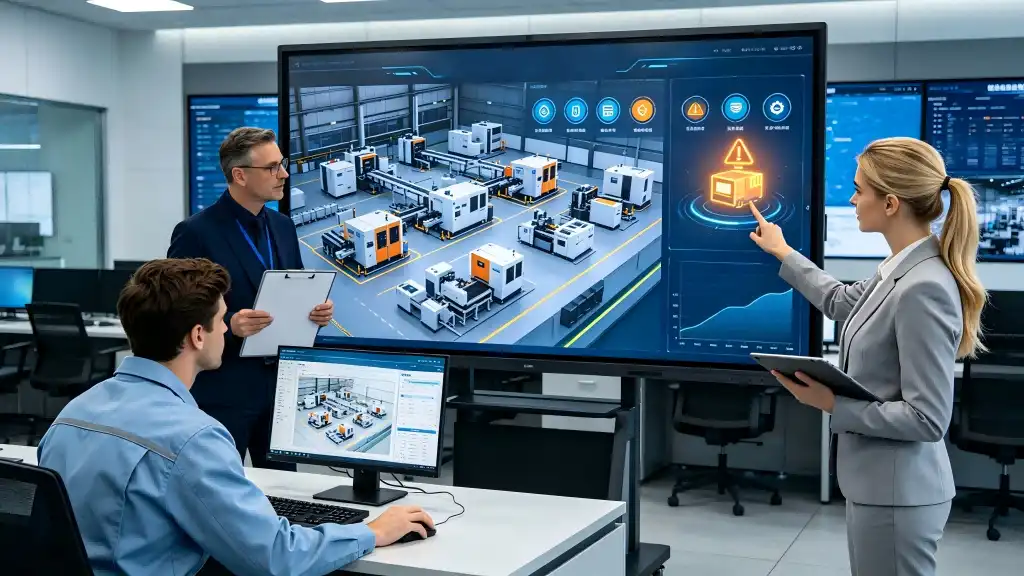
An MES operations engineer is not the same as a software writer or an IT support worker. This job is in the middle of running production and managing information systems. These people make sure that data flows correctly and continuously between equipment on the shop floor and enterprise systems by keeping an eye on live MES dashboards, responding to integration alerts, and working with production supervisors during each shift.
Contextual judgment is what sets this job apart. An MES operations engineer has to quickly figure out whether a problem at 2:00 AM during a continuous production run is caused by a database link, a PLC signal, or an application service. This job is different from a general-purpose IT engineer because it requires knowledge of both a wide range of technologies and how things are made.
MESA International says that MES systems are now used for quality control, work order management, material tracking, and monitoring equipment in hundreds of different manufacturing areas. For these systems to work reliably, they need to be overseen by a dedicated operational manager.
Essential Technical and Analytical Skills for MES Operations Engineers
The Technical Stack a Modern MES Engineer Must Command
A good MES operations engineer knows a lot about a lot of different types of technology. When manufacturers set up platforms that are connected to ERP, WMS, SCADA, PLC, and AGV systems, they need engineers who are skilled at navigating all of these links. The most important technical skills that smart factories always need are listed below:
- MES Architecture and Module Mastery: Engineers need to know about the ISA-95 and MESA functional frameworks and be able to use key modules like quality control, equipment management, work order management, production reports, material tracking, and process parameter dashboards.
- Database Management and SQL Development: You must be able to work in both SQL Server and MySQL settings. This includes writing queries, stored procedures, and views to make it possible to track down production data and doing backups, recoveries, index optimization, and log analysis in real-world settings.
- System Monitoring and Fault Handling: Engineers use automatic inspection tools to keep an eye on servers, application services, and communication logs. To meet 99.9% uptime goals, they set up exception alerts, carry out emergency reaction plans, and fine-tune system performance.
- Integration and Industrial Communication Protocols: To connect MES to other systems, you need to know how to use OPC UA/DA, MQTT, Modbus, SECS/GEM, and SCADA data acquisition methods. You also need to be able to debug and handle exceptions on the interface.
These skills are not just ideas. According to a 2023 Deloitte report on smart manufacturing, unplanned downtime costs industrial manufacturers an average of $260,000 per hour. This means that skills in system monitoring and fault response are directly linked to how well a company does financially.
Technical knowledge is complemented by analytical skills. An MES operations engineer who can turn raw signals from the shop floor into useful KPIs, like MTTR (Mean Time to Repair) or cycle time efficiency, helps leadership teams see what's going on faster so they can make decisions about production more quickly.
Soft Skills and Certifications That Boost MES Operations Engineer Effectiveness
Why Communication and Credentialing Matter as Much as Code
An MES operations engineer doesn't just need to be good at technology to do their job in a real plant. These people work with people from different areas and talk to equipment sellers, IT planners, production supervisors, and procurement managers all at the same time. What sets good engineers apart from great ones is their ability to communicate clearly under pressure, report problems correctly, and write down solutions in a way that non-technical stakeholders can use.
Having a recognized license adds a certain amount of authority. If an engineer has MESA certifications, ITIL service management credentials, and organized training from approved providers, it shows that they have met real industry standards and not just gained knowledge over time. When companies look at the return on investment (ROI) of training, certified engineers offer lower operating risk and a better base for sharing knowledge across teams.
How Smart Factories Benefit from Skilled MES Operations Engineers
From Reduced Downtime to Smarter Procurement Decisions
When a company puts money into expanding its own MES operations engineer processes, it gets a lot more in return than just a stable system. Skilled engineers cut down on downtime by finding problems early on, before they get worse. They make sure that data is correct, which helps with quality control and following the rules. They also shorten the time it takes to see value after a new MES is put in place, which is very important for companies that are in the middle of changing.
One contribution that is often forgotten is their part in evaluating vendors. A MES operations engineer who knows about integration architecture is in a much better position to evaluate new software than a procurement team that only looks at feature lists. This helps people make better buying choices and lowers the chance of expensive problems happening when system powers don't match up with production needs.
Recruiting and Retaining Top MES Operations Engineering Talent
Building from Within Is More Reliable Than Hunting Externally
Because there aren't enough industrial IT experts around the world, hiring from outside sources is risky and costs a lot. Average salaries for experienced MES operations engineers in North America have gone up sharply. For mid-level jobs, the pay ranges from $85,000 to $120,000 a year, based on the field. Most medium to large manufacturers find that structured training is a faster and more cost-effective way to build up their own staff.
Investing leads to retention. Engineers are much more likely to stay with the company if they are given clear paths for growth, qualifications that are recognized, and the chance to work with new technologies like digital twins, industrial IoT, and connected production systems. When HR and training managers set up these paths, they lower the risk of turnover, which can make training seem like a waste of money.
Conclusion
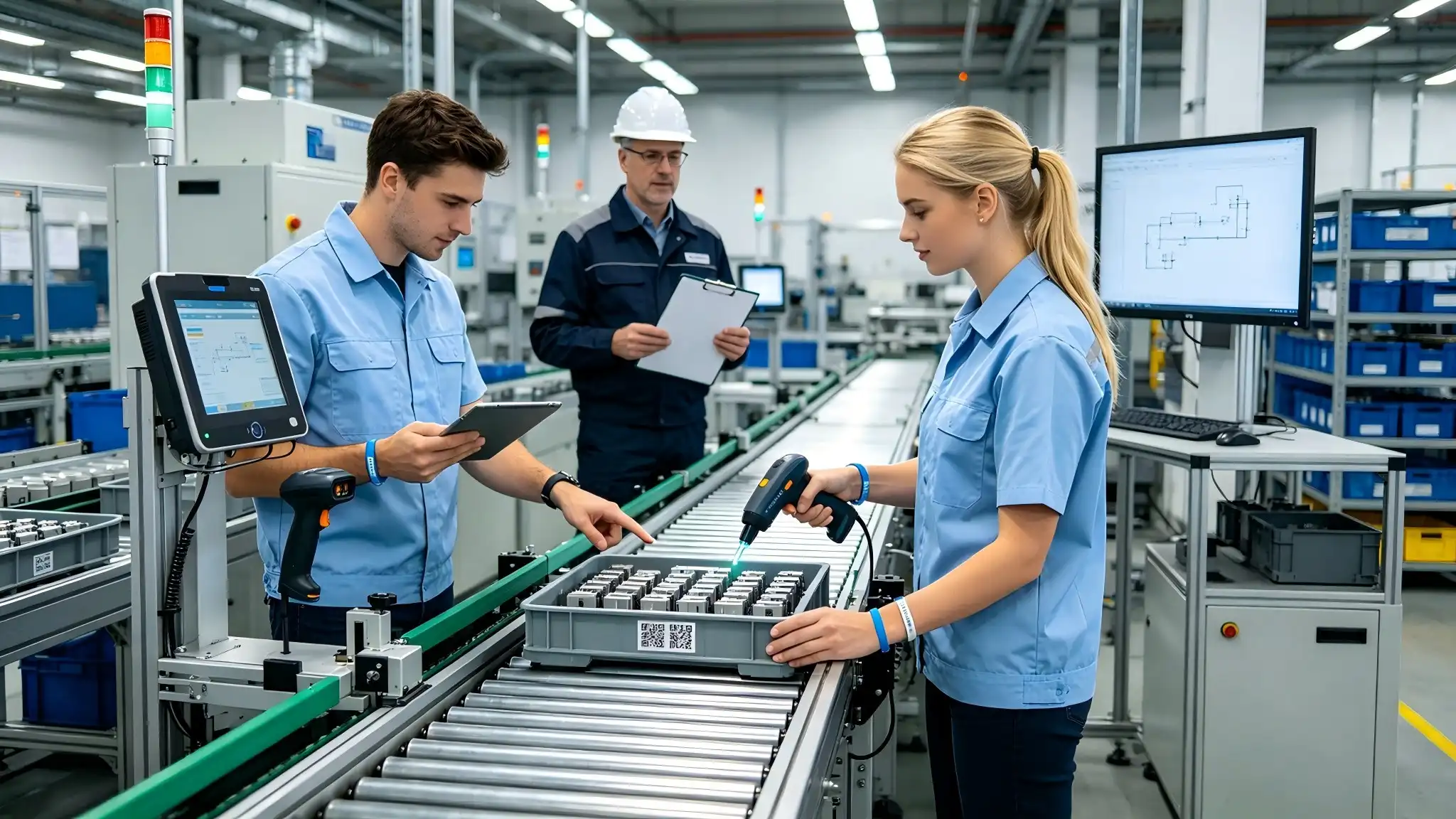
Smart factories need MES operations engineers who know how to build systems, work with databases, fix problems, and make sure that everything works together. They also need to be able to communicate with both production and IT teams so that everyone can work together. Developing this skill within the company through training programs that are based on real-life work settings is more reliable than hiring people from outside the company. When manufacturers put money into structured, hands-on MES staff development, they gain operating resilience and a measured competitive edge as they move toward digital change.
FAQ
1. What background is recommended before pursuing MES operations training?
The best way for learners to get the most out of this course is to have some experience with computers, databases, and digitalizing industry. It's helpful to have worked in IT support or production environments before, but it's not necessary.
2. What roles can a trained MES professional pursue?
Structured MES operations programs prepare students for jobs like MES operations engineer, MES Implementation Engineer, MES Development Engineer, and Manufacturing Data Analyst. These jobs are in high demand in the automotive, electronics, and industrial equipment industries.
3. How does MES operations training differ from general IT training?
MES operations training combines technical skills with an understanding of how the manufacturing business works. Learners get practice in fake factories, work through fault injection scenarios, and use industrial communication protocols, which aren't taught in most IT classes.
4. Is MES operations training suitable for in-house delivery?
Yes, programs that are made to be customized for the whole company can be changed to work with different MES systems, production processes, and industry standards. This makes in-house delivery both possible and useful.
Start Building Your MES Talent Pipeline with E.C.R Academy
Since 2010, E.C.R. Academy has helped almost 500,000 students in 28 countries, working with more than 500 businesses to make sure that workers have the skills that are needed by businesses. Our MES operations engineer training program was created by business mentors and academic teachers working together. It includes theory, virtual simulations, and hands-on practice in the factory. We have different shipping models that can be used in different business settings, so you can choose the one that works best for you. You can talk to us about a unique MES operations engineer supplier option for your team by emailing ecr2008@enteredu.com or going to enteredu.com.
References
1. MESA International. MESA's Smart Manufacturing Framework and MES Functional Standards. 2022.
2. Deloitte Insights. The Smart Factory: Responsive, Adaptive, Connected Manufacturing. 2023.
3. ISA (International Society of Automation). ANSI/ISA-95: Enterprise-Control System Integration Standard. 2021.
4. McKinsey Global Institute. Digital Manufacturing: Escaping Pilot Purgatory. 2022.
5. Gartner. Market Guide for Manufacturing Execution Systems. 2023.
6. Manufacturing Enterprise Solutions Association (MESA). MES Explained: A High-Level Vision for Executives. 2020.


_1781601799781.webp)