Which Industrial Design Courses Are Best for Beginners?
It might be hard to choose the correct beginning point in product development education. For greenhorns contemplating organised education routes, industrial design programmes providing a mix of basic concepts with practical implementation are the best way in. They often connect engineering drawing, model building, design process and digital design, providing students with the technical literacy to convert ideas into manufacturable things. Top entry-level courses provide project-based curriculum, access to prototype facilities, and teaching from experts who bring academic rigour and real-world manufacturing know-how.
Understanding Industrial Design Fundamentals for Beginners
What Defines Modern Product Development Education?
At its core, education in product development combines real-world problem-solving with an eye for style and an understanding of engineering limits. In contrast to graphic design, which works mostly with two-dimensional materials, or product styling, which only cares about how something looks, this field requires knowledge of how things fit together in space, how materials work, and whether they can be made (Norman, 2013). Beginners often mix up artistic design with practical development. To be truly competent, you need to know how form, structure, and user experience connect within the limits of production.
The Five-Stage Development Process
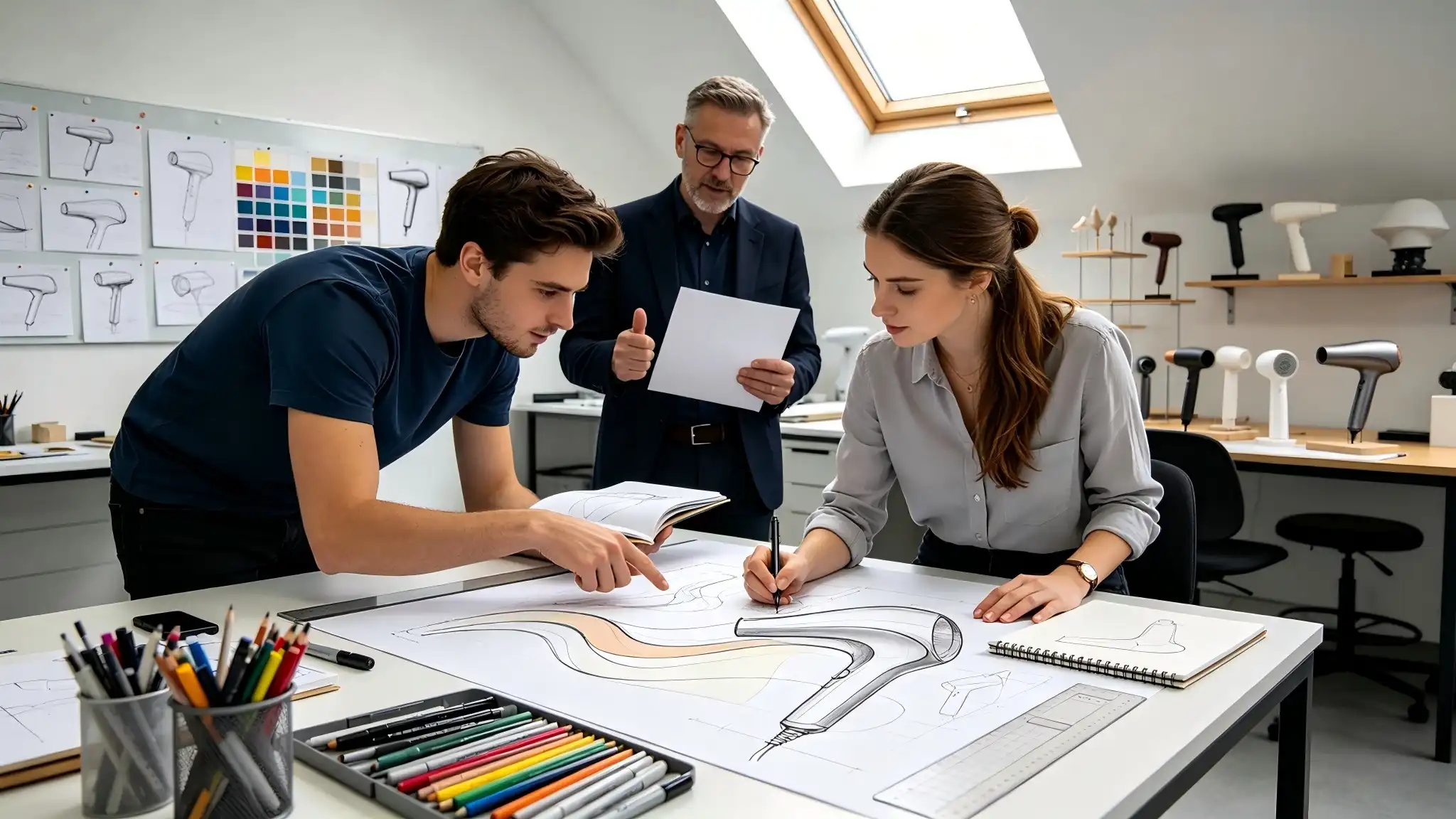
Structured courses often guide students through the process of doing research, coming up with ideas, making prototypes, testing their creations and refining their work. In the research phase, students explore for user demands and market gaps. Ideation takes thoughts and turns them into drawings and concept models . Using 3D printing, clay modelling or CNC cutting shapes may be built and evaluated throughout the prototype phases. Testing ensures the design is comfortable and functional and refining ensures the design is within the restrictions of manufacturing and under budget. When procurement professionals perfect this cycle, they can anticipate what suppliers are capable of, and bargain from a position of technical strength.

Why Early Learning Matters for Procurement Teams
When procurement managers understand the basics of design, they can talk to engineering teams more clearly. If you know the difference between a prototype and a production-ready model, you can avoid making mistakes in the specifications that cost a lot of money. Industry standards say that development times can be cut by up to 30% if buyers know about DFM (Design for Manufacturing) principles. This helps buyers find suppliers who can meet their needs for material and size tolerances.
Criteria for Selecting the Best Industrial Design Courses
Comprehensive Curriculum Coverage
A solid entry level programme doesn’t only teach you software, it teaches you a breadth of skills. Seek for courses that teach design theory, drafting standards (ISO 2768 for mechanical tolerances, for example), rendering techniques, and how to construct physical prototypes. Real-life case studies that demonstrate how designs went from concept to product on the market provide context that generic tutorials just can’t match. Some parts of portfolio creation are about writing down how they addressed difficulties. This is especially significant when you want to evaluate abilities of suppliers in business-to-business cases.
Flexible Delivery Formats
Professionals who are always on the go can benefit from hybrid learning models that combine self-paced online modules with hands-on workshops every so often. Some fully virtual courses may cover software tools well, but students often don't have access to tools for making models. On the other hand, forms that only happen in person might not work for workers or people from other countries who have busy schedules. The best mix lets students work on theoretical modules from home while also going to fully equipped centers for intensive prototyping sessions.
Instructor Credentials and Industry Connections
Courses taught by both working professionals and academic experts in Industrial Design give students two different points of view. Practitioners talk about the limitations of manufacturing, the difficulties of finding materials, and the realities of negotiating with clients. Teachers make sure that lessons are well-organized and that students learn a lot of theory. Programs that work with well-known companies or competition organizers offer networking chances that help people advance in their careers and build relationships with suppliers faster.
Top Industrial Design Courses for Beginners in 2026
University-Based Foundations
The best schools offer certificate programs that teach structured design thought and how to put ideas into action technically. These last between 12 and 24 weeks and include lessons on sketching, CAD tools, materials science, and testing the usefulness of websites. Graduates often look for jobs as design helpers or junior product developers, which are roles that connect manufacturing companies' artistic and technical teams.
Specialized Software Training Platforms
Focused training in SolidWorks, Fusion 360, or Rhino makes it easy for procurement workers to quickly learn how to do technical evaluations. This includes reading engineering drawings and judging seller submissions. Knowing how parametric modeling works can help buyers find mistakes in designs before they spend money on tools. When looking at prices from contract makers, courses that focus on GD&T (Geometric Dimensioning and Tolerancing) are very helpful.
Project-Driven Professional Programs
Programs like the ones offered by ECR Academy stress using what you learn in the real world by combining different skills. In their project-based curriculum, engineering drawing, model building, design engineering, and digital design are all taught together. Learners go through full development cycles, from sketching out initial ideas to making specifications that are ready for production. When experts from both the business and academia teach together, they make sure that the content fits with current manufacturing methods while still following the structure of the lessons.
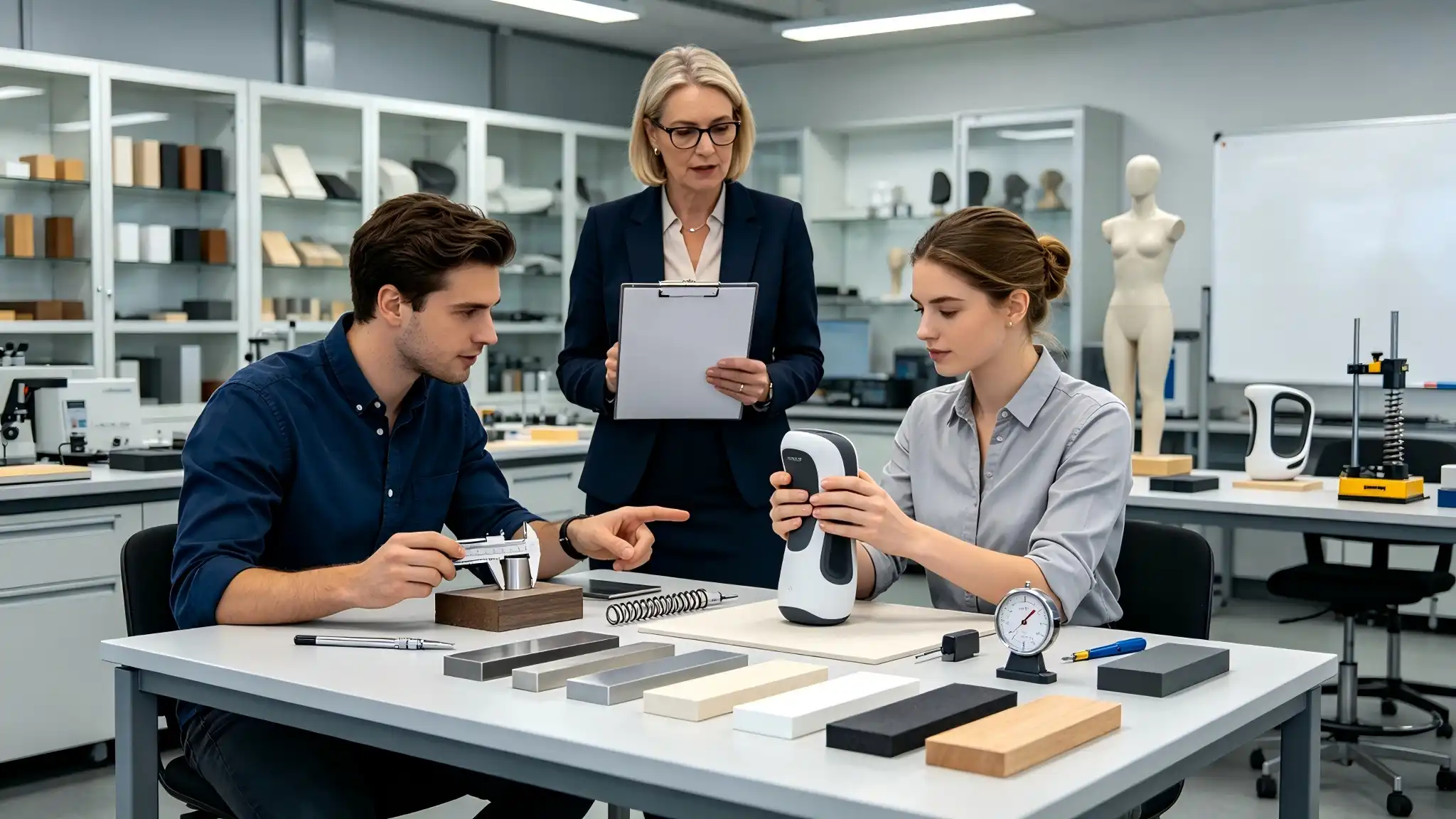
Access to model-making workshops with 3D printers and CNC equipment, engineering drawing training rooms with technical writing tools, and CAD labs with popular design software are some of the most important features. The materials and processes training room gives students real-life experience with common product materials and structure case studies. This helps them bridge the gap between what they've learned in the classroom and how they can evaluate suppliers.
Certification Pathways Aligned with Industry Needs
Certifications in vocational fields, like 3D printing modeling and design credentials, show that you have certain skills that procurement teams value. These credentials show that you know how to turn digital models into physical prototypes, which is an important skill to look for when judging a supplier's technical skills. Programs that are in line with well-known standards make sure that students learn skills that can be used right away in quality control and source checks.
How Industrial Design Education Influences B2B Procurement Decisions
Enhanced Supplier Evaluation Capabilities
When people who work in procurement know about product structure, manufacturing methods, and material selection factors, they are better able to judge suppliers. For example, buyers can find design flaws that would cause production delays if they know about injection molding draft angles. Surface finish standards, like Ra values for roughness, help people write more accurate specifications and follow better procedures for quality inspection.
Cost-Benefit Analysis of In-House Versus Outsourced Design
Companies are always weighing the pros and cons of working with outside design firms versus building their own design teams. Internal teams offer better protection of intellectual property and faster iteration, but they need to keep spending money on people and tools. Outsourcing lets you get access to specialized knowledge without having to pay for fixed costs, but it can make communication more difficult and cause lead times to be longer. Leaders in procurement who know how to use design can better balance these trade-offs by making contracts that protect core competencies and align incentives.
Accelerating Innovation Adoption
With Industrial Design education, buying teams can spot new trends earlier. Knowing about new sustainable materials like bio-based plastics or recycled composites helps buyers find good deals while keeping up with changing customer needs. Procurement professionals can tell which suppliers are investing in competitive capabilities and which ones are still using old workflows when they know about digital design tools like generative design or AI-assisted optimization.
Strategic Alignment with Business Objectives
Product development times shorten when procurement uses design thinking in sourcing decisions. Cross-functional teamwork gets better when customers are more clear about their technical needs. This cuts down on rework and speeds up time-to-market. McKinsey (2023) says that companies that teach their buying teams about design say that new products come out up to 25% faster and their relationships with suppliers are better.
Building a Strong Industrial Design Foundation: Tips for Beginners
Develop a Results-Oriented Portfolio
Instead of showing off esthetic exercises, problem-solving stories should be the main subject of presentations. Write down how market research helped you come up with ideas, how samples showed you problems with usefulness, and how design changes helped you work around manufacturing issues. When purchasing managers look at a supplier's skills, they like this structured thinking because it shows that the partner can handle complicated needs in a planned way.
Commit to Continuous Learning
As software tools and material science get better, the design field changes quickly. Join professional networks, sign up for industry publications, and go to workshops about things like CMF (Color, Material, Finish) trends and additive manufacturing. Keeping up with the latest trends lets procurement teams question sellers in a good way and spot chances for innovation before they happen.
Engage with Leading Design Partners
Working with well-known companies like Frog, IDEO, or local experts in the field lets internal teams see how things should be done. As part of these partnerships, agencies often share their knowledge with organizations to help them do better. Leaders in procurement who encourage these kinds of partnerships make their businesses look like they are on the cutting edge of innovation, which brings in better supply partners.
Leverage Training Infrastructure Strategically
Having access to complete learning platforms speeds up the process of learning new skills. Buildings that have technical drawing rooms, model-making workshops, CAD labs, and material libraries all in one place make for great learning settings. Companies that invest in this kind of infrastructure or work with institutions that offer these resources build talent pools that can handle complex interactions with suppliers and quality control.
Conclusion
To find the right product development education for beginners, you need to look at the depth of the Industrial Design program, the flexibility of delivery, and the instructor's experience. The best schools combine academic knowledge with hands-on prototyping, software skills, and knowledge of how things are made. For procurement professionals, design literacy means better evaluation of suppliers, better negotiation, and faster adoption of new technologies. Investing in structured learning pays off in the form of better product quality, shorter development timelines, and stronger relationships with suppliers. This is true whether you are looking for university certificates, specialized software training, or full professional programs. Companies that put design education at the top of their procurement processes will be able to compete in markets where innovation cycles are getting shorter and customer standards are getting higher.
FAQ
1.What Is the Difference Between Industrial Design and Product Design?
The terms often mean the same thing, but there are some small differences between them. Product design is the broad field that studies how things work and how people feel using them, including both physical and digital items. The field we've been talking about focuses on real things that need to be manufactured, including choosing the right materials, making sure structures are strong, and making sure production is possible. For buying teams, this difference makes it clear which provider skills to focus on: product designers may be great at user interface ideas, while those with training in manufacturing may be better at tooling, assembly logic, and lowering costs.
2.How Long Does It Take to Complete a Beginner Course?
The length of a program depends a lot on its depth and style. Intensive bootcamps may cram the basics into 8 to 12 weeks of full-time study. Part-time diploma programs usually last between 6 and 9 months, which gives working adults enough time to balance schoolwork with their jobs. Vocational schools that teach a lot of theory and give a lot of hands-on experience usually take 12 to 18 months. Focused training can get procurement professionals up to speed quickly in certain areas, like CAD software or prototyping methods, in just three to six months.
3.How Can Procurement Teams Benefit from Design Training?
Procurement workers with a background in design can deal better by talking the technical language of suppliers and internal engineering teams. Before signing the contract, they look for red flags in the supplier proposals, like tolerances or material specifications that are too strict. Knowing how much prototyping costs and how long it takes makes budgeting more accurate. The most important thing is that design literacy makes procurement professionals strategic partners in innovation instead of just transactional order-tenders. This makes the company more competitive and improves the quality of the supplier relationship.
Partner with a Global Skills Ecosystem for Design Excellence
Since 2010, ECR Academy has given nearly 500,000 students in 28 countries the tools they need by combining classroom theory with real-world manufacturing experience through project-based training. Our complete program combines engineering drawing, making models, Industrial Design, design engineering, and digital design by having experts from the industry and academia work together. Learners have access to fully equipped development rooms that include 3D printing labs, CNC workshops, and CAD training rooms. This makes sure that they learn skills that can be used right away in evaluating suppliers and coming up with new products. We offer open engagement models that can be adjusted to the needs of your business, whether you want to improve the skills of your procurement teams, work with a well-known training company, or find certified design talent. Get in touch with us at ecr2008@enteredu.com to find out how our tried-and-true curriculum can help your team improve its technical skills and supplier relationships.
References
1. Norman, D. (2013). The Design of Everyday Things: Revised and Expanded Edition. Basic Books.
2. Industrial Designers Society of America (IDSA). (2022). Industrial Design Excellence Awards Guidelines.
3. McKinsey & Company. (2023). The Business Value of Design. McKinsey Quarterly.
4. International Organization for Standardization. (2020). ISO 2768: General Tolerances for Linear and Angular Dimensions. ISO Standards.
5. Ulrich, K. T., & Eppinger, S. D. (2020). Product Design and Development (7th ed.). McGraw-Hill Education.
6. Brown, T. (2019). Change by Design: How Design Thinking Transforms Organizations and Inspires Innovation. Harper Business.


_1781601799781.webp)