What Skills Does Internet of Things (IoT) Engineering Technology Develop?
Internet of things (IoT) engineering technology develops skills across three layers: perception, connectivity, and application. Learners practice sensor data acquisition, embedded programming, wireless sensor networking, RFID and barcode identification, and application development for platforms, edge devices, and mobile terminals. They also learn to test, troubleshoot, secure, and integrate complete systems. At E.C.R Academy, we treat these skills as a chain, because a sensor reading means little until a network carries it and an application puts it to use. In this guide, I explain each skill, show how project-based training builds it, and list what program leaders should check before choosing a course.
Core Technical Skills Developed in IoT Engineering
Sensor Technology and Data Acquisition
Every IoT system starts with a test. At the E.C.R. Academy school, students learn how to use and get information from gages that measure temperature and humidity, as well as gas-sensitive, ultrasonic, and infrared instruments. Once they've set up and used the systems, they check for issues and fix them. As you get better, you can combine data from more than one sensor to get a more complete picture of what's going on. This is called multi-sensor fusion. Taking readings of gas and temperature together, for example, gives you a fuller picture of a storage room. Students learn how to think about the information they have by doing this exercise. Is the sensor where it should be? Can't you hear the sound? Does what you're reading make sense?
Embedded System Development
To read sensors, you need a small computer known as an embedded system. For example, they learn how to write I/O port and UART drivers and put together a basic embedded hardware system. Then it takes care of tasks, making sure they work together and keep other tasks out so that jobs don't fight over shared resources. The students also work on talking to each other, handling interruptions, and planning their time. A processor doesn't have to wait all the time for a signal from a monitor when it has an interrupt. It can act on it right away. When it comes to IoT devices, they need a lot of power and memory to work right. To do this, engineers who know how hardware works write code that small gadgets can run continuously.
IoT Identification: RFID, Barcodes, and QR Codes
This is what identification technology does: it tells a machine what it is watching. People who are learning use the basic ideas behind RFID systems, set up high-frequency readers, and use EPC code standards. The EPC Tag Data Standard tells tags how to write identifiers. GS1 is in charge of this standard. They also write programs that encode QR codes and barcodes, and then they make RFID devices and use them. To make sure that a scan goes to an app and not just stays in the reader, they use API actions and front-end data acquisition tools in the software. You need to be able to read tags to be useful in warehouses, stores, and asset tracking programs. This is because software needs to be able to keep track of the item, the time, and the place.
Networking and Application Skills Across the IoT Layers
Wireless Sensor Network Development with ZigBee
Something has to send the data somewhere after getting it. It is possible to build things with the wireless sensor network module by using the Z-Stack protocol stack and the ZigBee specifications. The low-rate IEEE 802.15.4 standard is what ZigBee is built on. This standard works well with small devices that don't need a lot of power. As part of their work, students learn how to send and receive packets, make wireless bus communication apps, and set up wireless device access. To send a message to all the devices in range, pick a group of devices or send it to just one. This kind of transmission is known as unicast, multicast, and broadcast. A network should work the same way whether it has five nodes or fifty. An engineer can figure this out once they know these choices.
Application Development on Platforms, Edge Devices, and Mobile Terminals
This layer takes unprocessed data and makes it usable. Kids learn how to make apps that work on phones, IoT systems, and edge devices. Students first get data and figure out how to use it to control devices. Next, they make, test, and release full IoT apps. When a device needs to make a decision quickly and can't wait for a server in the cloud, edge-side development comes in handy. People can see and send requests on a screen on their phones. Learners also use the browser-based platform to make logic for cloud access control. You learn the same thing from all of these jobs: focus on what the customer wants and test the whole path from sensor to screen.
Protocols and Standards That Tie the Layers Together
Tools that can talk to each other are only useful if they can do the same thing. ISO/IEC 30141 makes a plan for a framework for the Internet of Things. Teams can talk about systems in the same way when they do this. OASIS says that MQTT is a simple publish-subscribe messaging system that lets servers and devices send and receive data. IEEE 802.15.4 sets the rules for radio and links. This is what ZigBee is based on. In the first part of the E.C.R. Academy, students learn about internet of things (IoT) engineering technology, IoT models and design, key network communication technologies, sensing technologies, and ways to connect systems. Students who know about reference models and standards can read technical documents faster and be more sure of their assessments of how well products work together. This is useful when a project needs parts from more than one manufacturer.
Problem-Solving, Security, and Integration Skills
Troubleshooting Faults in Connected Systems
A connected system can go wrong for many reasons, such as a loose sensor, a weak radio link, a bug in the software, or a device that isn't set up correctly. Students learn how to test IoT devices and fix issues with them. They also learn how to find issues in data gathering systems and fix them. A good way to do things is to begin at the bottom and work your way up. You should first look at the sensor's output, then the device's firmware, then the network path, and finally the app's screen. This order makes it easier to find the cause quickly. Students also start writing down their test results, which helps their teams fix things later. It can be hard to get to field devices, so having a clear troubleshooting plan can help you avoid having to go to the spot as often.
Security Awareness in IoT Design
When you plan something, not when you start it, security should be a part of it. This is the first lesson on IoT security technologies. This way, students can learn about them before they work on bigger projects. To give you some history, the U.S. It was made by the National Institute of Standards and Technology (NIST). NISTIR 8259 is a list of basic safety steps that companies can take before and after selling a gadget. When students understand these ideas, they ask good questions right away. How do I get to this? How does it stay up to date? What will happen if someone gets the data? The course teaches security along with the basics of IoT engineering. This makes people more aware of the issue and promotes good design habits.
System Integration and Deployment Thinking
It takes a lot of skill to put together many parts into a whole. The course covers the whole lifecycle of an IoT product, from figuring out what the product needs to do and creating its technical architecture to building useful parts, connecting the system, and putting the product into use. Students learn how to write down what a customer wants, choose a structure that meets that need, put together different parts, and link them together to make a system that works. After each step, you'll have something you can test. When students go through this process, they learn how tech teams work and how to set up and connect IoT systems for jobs. A module that works by itself might not work when added to other modules. This is something that software-only courses don't always show.
How Project-Driven Training Builds These Skills
Curriculum That Pairs Theory With Projects
Reading about a protocol is not the same as making two things talk to each other. The lessons at E.C.R. Academy are both theoretical and practical, and students use all of their skills in projects. "Perception—Connectivity—Application" is the technology structure that the class is based on, and the main goal is to design and make new IoT products. A method used around the world to teach engineering is used, which involves giving students hands-on experience. A project could begin with a sensor, then add a wireless link, and end with an app that runs a device. Each project goes over more than one module, so kids learn how the different parts fit together.
A Browser-Based Platform for Design, Simulation, and Deployment
With the tools they have, a class can only give so much practice. That's why the E.C.R Academy IoT Online Development and Teaching Platform moves design work into the browser. It has a B/S architecture, and HTML5 and WebGL are used to design and test IoT systems. These are the main parts that make it work:
- Sensor data simulation and wireless network configuration: Students make sensor values, let devices join, and change network settings all on the screen before touching any real equipment. Watch how one bad choice can change the way texts are sent as many times as they need to.
- Embedded programming and cloud access control logic design: They write code for devices and plan how people and devices will connect to a system in embedded programming and cloud access control logic design. With device connection preview and real-time scene editing, learners can see what will happen right away after each change. This way, they can fix any mistakes in their plans before putting them into action.
A built-in library of IoT device models and communication methods virtualizes hardware resources and keeps software code separate from them. Full-process practice across all three layers can be done without any hardware.
Faculty, Standards, and E.C.R Academy's Track Record
Senior business engineers and academic experts both teach this course in internet of things (IoT) engineering technology. An in-depth look at the theory is mixed with practical training in the field. There are technical standards from all over the world included in the curriculum, as well as state standards for training. It's the same as the record set in 2010. E.C.R. Academy has trained and tested almost 500,000 people in China and 28 other countries. More than 300,000 of them have earned recognized skills certifications. More than 60,000 learning materials, like standards, courseware, case studies, and test banks, have been made. We've also worked with more than 3,300 experts and paired more than 500 businesses with experts. The people in charge of the program can use this to rate a training partner.
Where IoT Engineering Skills Lead: Careers, Applications, and Trends
Career Paths After Training
Some of the things that this course teaches are knowledge, networking, application, and Contact. This means that it can be used for more than one job. Graduates can get ready for jobs like IoT sensing and control development engineer, sensor network engineer, embedded system development engineer, and IoT application development engineer. Other people are good at giving technical help or setting up, running, and managing IoT systems. A smart hardware product manager and an industrial internet technical worker are also on the list. There are more job opportunities for someone who studies all three layers of devices than for someone who studies just one type of device. The course covers the whole value chain, from how people see and handle things to how systems work together.
Where Industries Apply These Skills
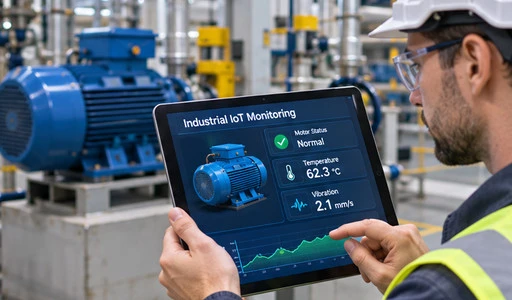
A lot of places have people with the same skills. In industrial IoT, sensors on machines look for issues like temperature and vibration so that they can be fixed before they break. It is used in smart grids and infrastructure to use long-range sensors to record line problems from a long way away. GPS tracking and devices that measure temperature and humidity help keep meds and food safe while they are being moved. In this study, you will learn how sense, communication, and application software must always work together as a chain. When kids practice on fake scenes, they can also see how a design choice, like a routing path, affects the whole system.
Trends and Compliance Learners Should Watch
As IoT tools change over time, a good program should teach lessons that can be used with any of them. You can make some choices on the device itself with edge computing, connect to more places with 5G and low-power wide-area networks, and use AI tools to look at bigger sets of data. The standards and vendor documents should be read by learners even after class is over. They also need to check the rules in their area when they add real radios to shows. The FCC in the US is in charge of radio frequency devices, even ones that don't have a license (Part 15). In some places, like Indonesia and Malaysia, different groups are in charge, like SDPPI and SIRIM. Before a lab practice, check the spectrum rules to avoid delays.
Conclusion
The Internet of Things (IoT) engineering technology helps build skills on three levels that are all linked to each other. At this level, students learn how to work with sensors by using RFID, barcode, and QR code readers. ZigBee is used to send messages between devices, and that's how they learn how to use it to build wireless sensor networks. At the application layer, they create, test, and use software for platforms, edge devices, and mobile tools. These layers work together to make products that work by combining system integration, troubleshooting, and being aware of security. With the help of project-based training, a browser-based modeling tool, and lessons from academic and business engineers, learners can get better at each skill. The skills learned can be used in infrastructure, transportation, and industrial tracking. They can also lead to a number of different jobs in support, development, and integration.
FAQ
1. Can I take this course with no prior background?
Yes. The lesson starts with the basics of IoT and then moves on to each step. They can practice at the perception, network, and application levels without using real hardware because there is an online trial setting and a visual modeling tool.
2. What career paths are available after completing the program?
You can learn how to become an IoT sensing and control development engineer, an embedded system development engineer, an IoT application development engineer, an IoT system integration engineer, an IoT operations and maintenance engineer, or a smart hardware product manager.
3. How is the learning platform deployed?
You can use it on PCs, tablets, and phones because it's a SaaS cloud service. Students don't need a separate place to work on their projects because they can code, set up devices, and test systems all in the browser.
4. Which core skill modules does the course include?
The class covers identifying IoT devices, embedded development, wireless sensor networks, and sensor technology.
Start Building IoT Engineering Skills With E.C.R Academy
Businesses, schools, and industry groups can contact E.C.R. Academy to learn more about their training in Internet of Things (IoT) engineering technology. Tell us about yourself and the lab setting by emailing ecr2008@enteredu.com or going to enteredu.com. Then we'll talk about how our classes can work for you. You can ask our team about the curriculum, how to get to the platform, and how to work together.
References
1. ISO/IEC 30141, Internet of Things (IoT) — Reference Architecture, International Organization for Standardization, 2018
2. IEEE Std 802.15.4, IEEE Standard for Low-Rate Wireless Networks, Institute of Electrical and Electronics Engineers, 2020
3. NISTIR 8259, Foundational Cybersecurity Activities for IoT Device Manufacturers, National Institute of Standards and Technology, 2020
4. MQTT Version 5.0, OASIS Standard, 2019
5. EPC Tag Data Standard, GS1, 2022
6. Internet of Things: A Survey on Enabling Technologies, Protocols, and Applications, IEEE Communications Surveys & Tutorials, 2015