MES Operations Engineer and Digital Twins in Smart Factories
Smart factories are no longer a distant concept — they are the production floor reality for thousands of manufacturers across automotive, electronics, and industrial equipment sectors. At the center of this transformation sits the MES operations engineer, a specialized professional who keeps Manufacturing Execution Systems running, integrated, and optimized around the clock. When paired with digital twin technology, these engineers unlock a new level of visibility and control that fundamentally changes how factories operate, respond, and grow.
Understanding the Role of an MES Operations Engineer in Smart Factories
What Does an MES Operations Engineer Actually Do?
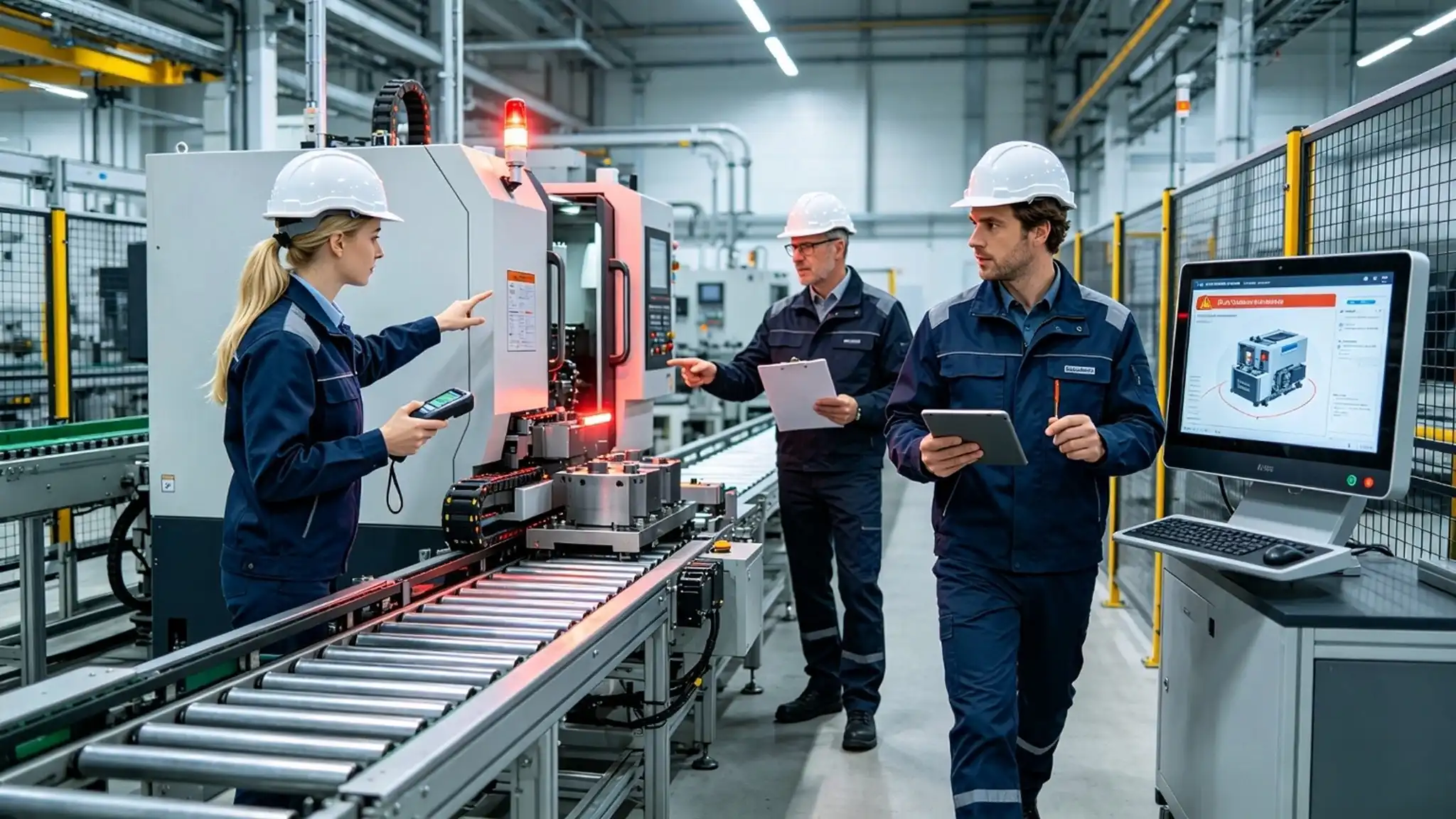
The job of an MES operations engineer is to connect the shop floor to the company's IT systems. They are in charge of keeping an eye on the system, finding problems, managing databases, making interfaces, and connecting it to other systems like ERP, WMS, PLC, SCADA, and AGV. Maintaining 99.9% system uptime is a normal performance standard in high-output settings like making semiconductors or putting together cars, where even minutes of downtime can cost a lot of money.
In addition to technical maintenance, the MES operations engineer needs to know how the manufacturing business works, from creating work orders to delivering them. This way, they can turn signals from the shop floor into useful KPIs like OEE (Overall Equipment Effectiveness) and MTTR (Mean Time to Repair). Being able to understand both technology and operations makes the job more valuable from a strategic point of view than just from a technical one.
The Manufacturing Enterprise Solutions Association (MESA) says that discrete makers have adopted MES much more over the last ten years. This is because of requirements for Industry 4.0 and the need to be able to track production in real time. In the same way, the need for skilled MES operations engineers has been going up.
The Integration of Digital Twins and MES in Smart Factory Operations
How Digital Twin Technology Reshapes MES Workflows
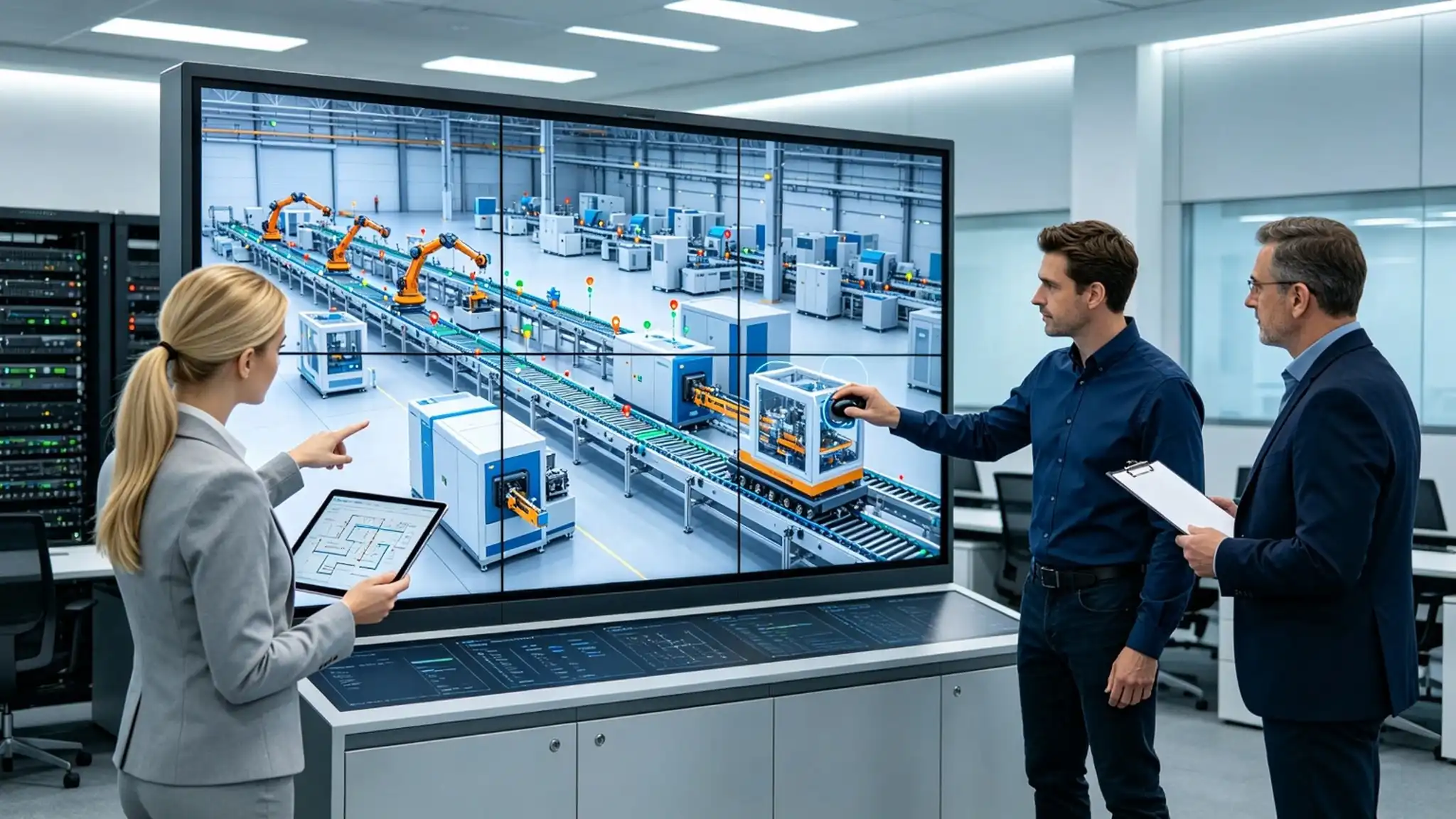
Digital twin technology makes a live, virtual copy of physical assets and production processes that is always in sync with data from the real world. When a digital twin is linked to an MES platform, it lets the MES operations engineer model different production situations, find bottlenecks before they happen, and run predictive maintenance routines that cut down on unplanned stops.
In real life, this integration leads to gains that can be measured. A 2023 Deloitte study on smart manufacturing found that companies that used digital twin-MES integration had up to 25% less unexpected downtime and used their assets 15–20% better. These numbers don't come from thin air; they show how MES and digital twin systems work together to improve operations in auto plants and electronics factories.
A big part of making this connection work is the MES operations engineer. They take care of the data pipelines that bring real-time signals from equipment into the digital twin model. These pipelines use protocols like OPC UA, MQTT, and Modbus. If you don't have a good engineer overseeing data quality and synchronization, the digital twin quickly loses its accuracy and operational value.
Comparing MES Operations Engineers with Related Roles and Technologies
Role Distinctions That Matter for Team Building
To make a smart workplace team that works well, everyone needs to know what their job is. The MES operations engineer is in charge of making sure the system is stable, that processes don't stop, and that different systems work together. On the other hand, an MES developer makes changes to software, sets up modules, and makes changes at the code level. An industrial engineer plans and improves production processes and capacity. These roles don't switch places; they work hand-in-hand.
There is a big difference between an MES operations engineer and an IT operations engineer. The first group needs to know about PLC logic, production scheduling, and tracking factory data, which is something that most IT professionals don't know. Because of this, companies that buy platforms from Siemens, SAP, or GE Digital get the most out of them when they hire engineers who have been trained to work in manufacturing environments to work on their MES teams.
It's also important to choose the right MES software. Systems that can successfully integrate digital twins and support ISA-95 architecture and two-way data sharing give MES operations engineers the technical base they need to make long-lasting gains in performance.
Procurement Insights: Building and Training Your MES Operations Team
It costs a lot and takes a long time to hire the right MES operations engineer from outside the company. Not many people have the specialized set of skills that includes managing SQL databases, understanding industry communication methods, fixing system errors, and knowing how to make things. A lot of companies in the electronics and car industries are finding that developing their own employees through organized training programs that work with their own MES system leads to better results at a lower overall cost.
Here are the main skills that a good MES training program should help students learn:
- MES System Architecture and Business Process Understanding: Learners need to know about the ISA-95 and MESA models, as well as the core module functions of MES, such as managing work orders, tracking materials, and making sure quality standards are met. They also need to know how MES fits into the bigger picture of production management.
- Database Management and SQL Development: To make sure that MES data is correct and operational reports are accurate, you need to know how to use SQL in the real world. This includes skills like stored procedures, index optimization, backup and recovery, and creating custom reports.
- System Monitoring, Fault Handling, and Performance Tuning: An expert who can't quickly find and fix problems when production is high is a risk. Automated inspection tools, setting up exception alerts, and emergency reaction procedures must all be part of training.
- System Integration and Interface Development: Knowing how to use OPC UA/DA, SECS/GEM, MQTT, and Modbus protocols, along with debugging interfaces on ERP, WMS, and AGV systems, bridges the gap between what you learn in school and what you can do on the job.
When these skill areas are developed together, they create the overall set of skills that modern smart factory operations really need. Training programs that only cover a few of these areas leave important gaps that show up on the work floor as system failures or mistakes in how things are put together.
Future Trends and Strategic Value of MES Operations Engineers and Digital Twins
Why This Role Will Define the Next Decade of Smart Manufacturing
What MES systems can do is changing because of AI-assisted analytics, edge computing, and more IoT connections. In the years after 2025, the MES operations engineer will work in places where digital twin simulations are always improving production factors and machine learning models find problems before they get worse. To stay ahead of this curve, engineers need to be both technically flexible and very familiar with how factories work.
For people in charge of B2B procurement and training, the strategic math is simple: investing in systematic upskilling of current production staff—building MES operations competence from within—results in a higher return on investment (ROI) than hiring new people from outside the company who don't know how things work on the job. Companies that set up organized MES talent development pipelines now will have a long-term economic edge as the US manufacturing sector moves faster to adopt smart factories.
Conclusion
The MES operations engineer is not a support job; they are a key part of how well the smart plant works. When these professionals are trained in all aspects of MES operations, database management, and systems integration, they are able to create digital twins that help reduce downtime, make data more traceable, and allow factories to grow without worry. The companies that make developing MES talent a top priority instead of an aside will be the ones that lead the next wave of changes in production.
FAQ
1. What background is recommended before pursuing MES operations training?
The best way to learn is to have a background in computer science or IT, know how to use databases, and understand how technology affects production. It's helpful to have experience with any MES platform or industrial automation environment, but it's not necessary for structured training programs that build skills gradually.
2. What roles can an MES operations engineer pursue after completing specialized training?
Comprehensive MES programs usually prepare graduates for jobs like MES Operations and Maintenance Engineer, MES Implementation Engineer, MES Development Engineer, and Manufacturing Data Analyst. All of these jobs are in high demand in the electronics, automotive, and process manufacturing industries.
3. How does digital twin integration change the day-to-day work of an MES engineer?
Connecting to a digital twin adds a layer of modeling and prediction to normal MES processes. Engineers can simulate how equipment will behave, check process changes online before putting them into action on the live line, and react more quickly and accurately to problems.
4. What is the typical career outlook for MES operations professionals?
As makers speed up their investments in digital change, demand keeps going up. Professionals with both detailed knowledge of MES and an understanding of how manufacturing businesses work are in a truly rare breed, and they tend to have strong long-term job paths.
Partner with E.C.R Academy to Develop Your MES Operations Talent Pipeline
The MES operations engineer training at E.C.R. Academy is industry-aligned and was created with the help of business teachers and academic instructors. The training covers system design, SQL development, fault handling, digital twin integration, and cross-system interface development. Our three-step model of theory, virtual simulation, and enterprise practice makes sure that your team is ready to go from the first day. Get in touch with us at ecr2008@enteredu.com or visit enteredu.com to learn more about custom training options, whether you are a company, a training provider, or a school.
References
1. Deloitte Insights. 2023 Manufacturing Industry Outlook. Deloitte, 2023.
2. Manufacturing Enterprise Solutions Association (MESA). MESA's Smart Manufacturing Landscape Report. MESA International, 2022.
3. International Society of Automation. ANSI/ISA-95: Enterprise-Control System Integration Standard. ISA, 2021.
4. Grieves, M., & Vickers, J. Digital Twin: Mitigating Unpredictable, Undesirable Emergent Behavior in Complex Systems. Springer, 2017.
5. Tao, F., et al. Digital Twin in Industry: State-of-the-Art. IEEE Transactions on Industrial Informatics, 2019.
6. Industry Week. Workforce Development in the Age of Smart Manufacturing. Industry Week, 2023.


_1781601799781.webp)