How Electronic Information Engineering Technology Builds Job Skills
Electronic Information Engineering Technology serves as a catalyst for developing comprehensive job competencies by merging circuit design, signal processing, and embedded systems development into practical, industry-aligned training. This multidisciplinary field equips professionals with hands-on expertise in PCB layout, microcontroller programming, and smart device integration—skills directly applicable to modern manufacturing, telecommunications, and automation sectors. Through project-driven curriculum models that mirror real production workflows, learners cultivate problem-solving abilities while mastering tools like C programming and EDA software. The result is a workforce ready to tackle challenges ranging from IoT device deployment to quality control in electronic assembly lines, addressing the immediate needs of employers seeking talent capable of navigating the full product lifecycle.
Understanding the Core Skills Built by Electronic Information Engineering Technology
The most important thing about electronic information engineering is being able to turn abstract ideas into real-world technical skills. Students learn how to do circuit analysis, which lets them understand complicated schematic diagrams and choose the right parts for different tasks. This knowledge covers both analog and digital electronics. It becomes easy to understand how transistors work and how logic gates work.
Circuit Design Mastery
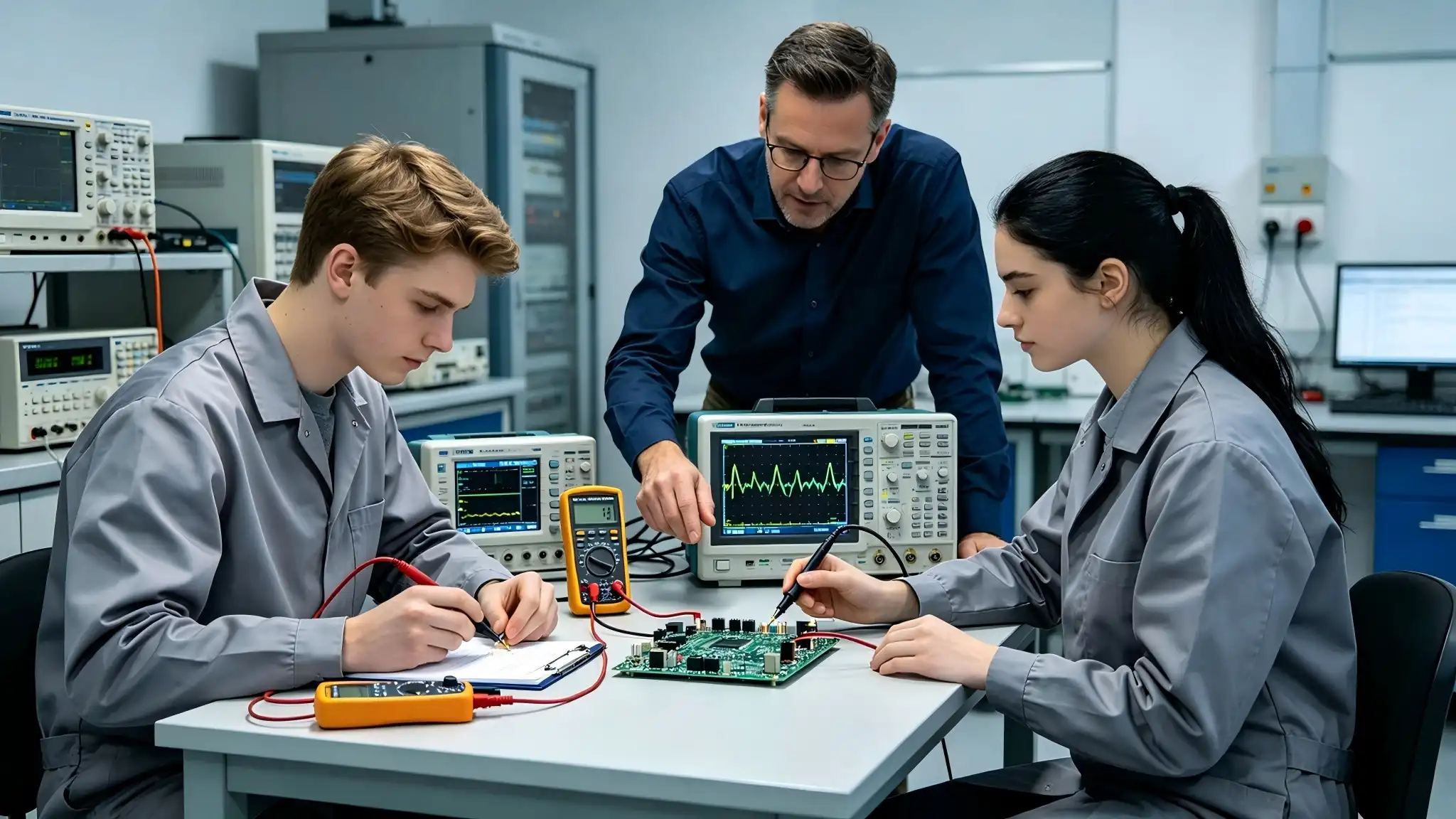
People who are taught in this field learn how to use Ohm's Law, Kirchhoff's concepts, and frequency response analysis in a variety of situations. They learn how to read assembly plans, use oscilloscopes and multimeters to measure electrical parameters, and use structured troubleshooting to fix problems in circuits. These skills are very helpful when checking out samples from suppliers or part specs during the buying process.
Programming and Software Integration
C code is the main language used to build embedded computers. Students write software to handle communication protocols, control sensors, and put smart algorithms to work in settings with limited resources. This set of skills is directly useful for jobs in IoT device engineering and industrial automation, where combining software and hardware is what makes a product work well and be reliable.
Signal Integrity and PCB Development
Printed circuit board design needs to be very precise for today's electronics. Schematic capture, multi-layer PCB layout, and design-for-manufacturability analysis are all part of the training. Learners use industry-standard EDA tools to reduce signal noise, improve power distribution networks, and make sure they meet electromagnetic compatibility standards. These are all important things for buying teams to think about when they are looking for manufacturing partners.
In addition to technical skills, this field helps people learn how to think analytically and manage projects. Scenario-based learning models put students in the middle of real production problems and make them balance quality standards, time constraints, and cost limits. These "soft skills" help people make better decisions, which is very important for technical buyers and supply chain managers.

How EIET Curriculum and Learning Methods Shape Job-Ready Professionals
In the field of electronic and information engineering, the way students are taught focuses on hands-on experience through real work tasks. Instead of separate classes, courses include modules from different fields that are modeled after how things are done in the workplace. Basics of circuits lead directly into PCB design projects, and programming exercises help with the development of microcontroller applications.
Project-Driven Learning Architecture
Training programs use scenario-based models so that students can work through the whole process of making a product. As part of a normal project, you might be asked to create a system for tracking temperature. This could include choosing sensors, making a schematic, writing firmware, putting the system together, and testing it. This all-around method makes sure that grads know how different parts work together in bigger systems, which is important for jobs that involve evaluating suppliers and integrating Electronic Information Engineering Technology.
Cloud-Based Laboratory Environments
Modern training platforms use infrastructure that can be accessed through browsers and is built on B/S architecture. Learners can use virtual training settings without having to run software on their own computers. This lets them practice from anywhere. These cloud-based labs are exact copies of EDA tools, embedded development suites, and electronic testing instruments used in the real world. The flexibility helps working professionals keep improving their skills while also lowering the cost of facilities for schools and business training centers.
Industry-Academia Collaborative Instruction
Courses are better when they are taught by both enterprise engineers and academic experts. People who work in the field share their knowledge about current industrial standards, quality control methods, and new technology trends. The academic staff gives students theoretical depth and research-based points of view. This two-pronged method makes sure that training material stays both technically challenging and immediately useful in the workplace.
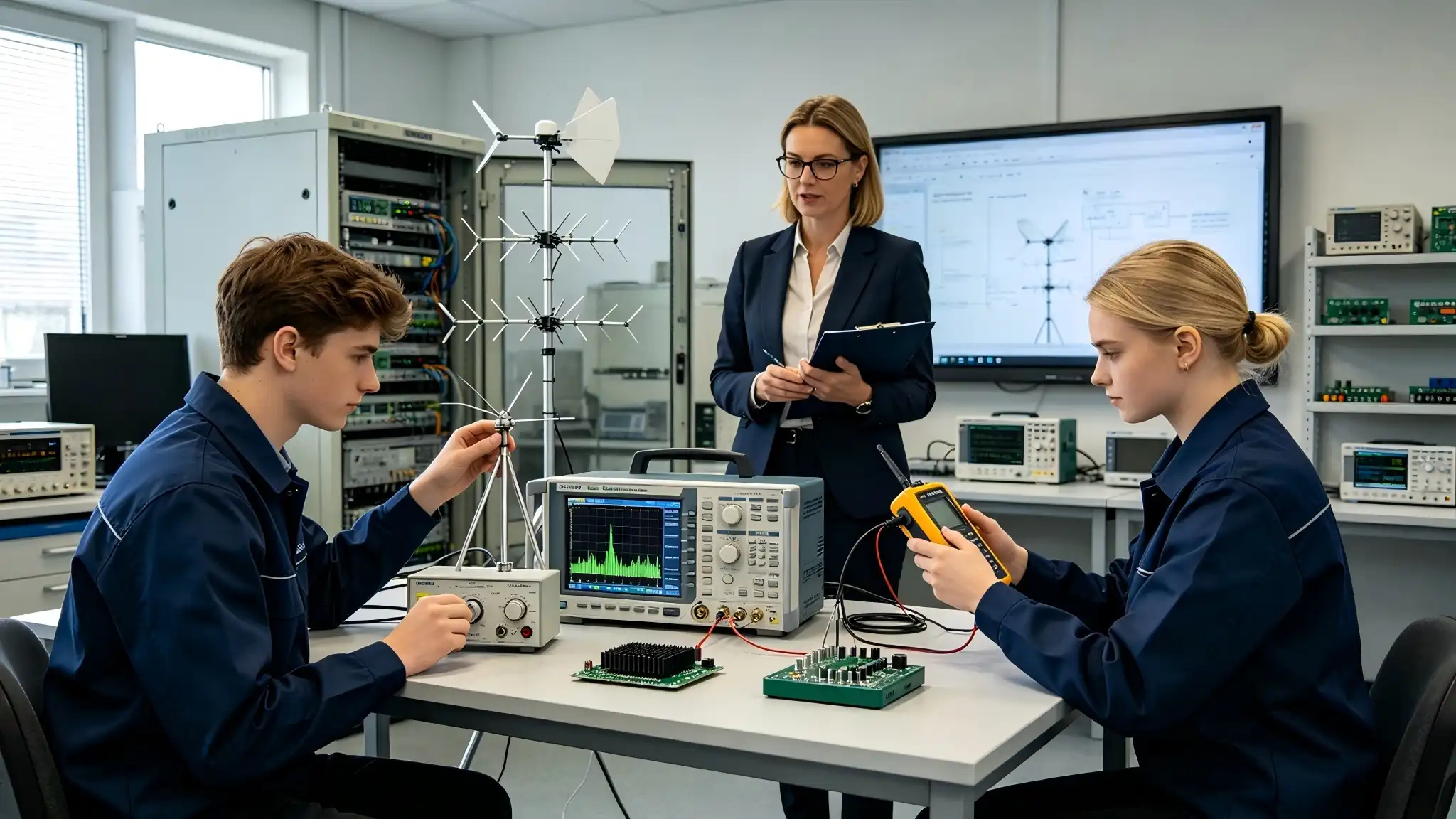
Practical training includes more than just simulations; it also includes lab sessions where you can do things with your hands. Electrical and electrical training rooms let students learn how to test components, solder them by hand, and put them together using SMT. In thorough training labs, students use tools for developing microcontrollers, debugging embedded systems, and integrating information systems. This helps them get ready for the wide range of technical challenges they will face in jobs like engineering, quality assurance, and buying.
Career Prospects and Industry Applications of EIET Skills in B2B Procurement
Getting training in electronic and information engineering gives you skills that are in high demand in many fields. Companies that make things need people who can look at their production tools, make assembly processes more efficient, and set up quality control systems. Companies that work with telecommunications need workers who can set up network infrastructure and keep communication systems running. For automation companies to work, they need engineers who can connect mechanical systems to electronic control architectures.
Technical Procurement and Supplier Management
Having procurement specialists with skills in electronic information engineering adds special value to the process of choosing suppliers. They can look at technical specs for electronic parts, check the manufacturer's skills by inspecting their facilities, and compare the performance of a prototype to the design requirements. Knowing about signal integrity testing helps you choose PCB manufacturing partners, and knowing about embedded systems development helps you choose microcontroller providers and software toolchain vendors.
Quality Assurance and Testing Roles
To test an electronic product, you need to know a lot about how parts work together, how to integrate systems, and how to look for problems. Trained professionals use standard procedures to find faults, carry out environmental stress screening protocols, and make sure that international standards are being met. These skills help people in certification labs, quality control departments in factories, and supply chain validation teams do their jobs.
Systems Integration and Maintenance
Professionals who can combine different parts into cohesive solutions are needed more and more for the introduction of smart electronic products. Engineers can set up IoT networks, industrial control systems, and building management platforms if they know how to use sensors, talk to computers, and write embedded software. In production settings, maintenance technicians use their knowledge of circuit analysis and troubleshooting techniques to keep downtime to a minimum.
The demand for these skills is growing because industries are moving toward digitalization and smart manufacturing. Industry 4.0 projects need professionals who know both the basics of hardware and how to communicate data. As IoT devices become more common, jobs open up for developers who know how to build for low power and wireless connections. Adding artificial intelligence to embedded systems needs people who know how to make algorithms work better while still staying within the limits of computers.
Making Informed Decisions: Comparing EIET with Related Engineering Disciplines
There are some similarities between fields that focus on electronics, but electronic information engineering has clear focus areas that help with certain job paths. Electrical engineering is mostly about power systems, motor control, and electrical devices. These are skills that can be used in heavy industry, utilities, and large-scale infrastructure. Computer engineering focuses on digital system architecture, processor design, and software engineering principles that work well for tech companies and for building computer platforms.
Unique Focus on Information Processing
Electronic information engineering is different because it focuses on smart control systems, signal acquisition, and data transmission. Analog-to-digital conversion, communication protocols, and developing embedded firmware are the main topics of training. This approach works especially well for consumer Electronic Information Engineering Technology, industrial sensors, and internet equipment, all of which depend on the flow and processing of information as basic functions.
Certification and Standardization Alignment
Professional growth in this field is in line with international technical skill standards that make it easier for workers to move around the world. Certifications that are based on IEEE networking protocols, ISO/IEC information security frameworks, and RoHS/REACH material safety standards can help you get a job in international companies. By getting these qualifications, procurement workers show that they have the right skills, which boosts their credibility when negotiating with foreign suppliers or choosing manufacturing partners abroad.
Educational Pathway Considerations
To pick the best training programs, consider coursework completion, lab equipment quality, and industry collaborations. Cloud-based simulation programs allow working professionals flexibility. Electronics company internships provide real-world training that speeds up job readiness. Learners should evaluate whether the courses they desire cover the whole product lifecycle, from concept to design, assembly, testing, and maintenance.
Companies that invest in staff development will benefit from these disparities. Technical buyers in electrical and information engineering may identify items and evaluate suppliers' technical quality. Quality management abilities include testing and problem-solving. Production engineers apply their assembly and equipment repair skills. When training skills meet job function demands, professional development expenditure pays off.
Procuring EIET Learning Tools and Resources for Workforce Development
To give good technical training, you need to have access to good lab tools, complete course materials, and delivery platforms that can be scaled up or down. Organizations that want to improve the skills of their employees must look at potential training partners in a number of different areas to make sure they are in line with their business goals and employees' needs for growth.
Evaluation Criteria for Training Solutions
Assessment starts with making sure the program covers everything. Strong schools teach basic skills all the way up to more complex ones. They cover circuit basics, programming, PCB design, microcontroller technology, and building embedded systems. Instead of just academic exercises, content should include real production projects that show how the industry works now. Scenario-based learning models that mimic problems that people face on the job work better than separate skill units when it comes to instructional design.
Platform design has a big effect on how easy it is to get training and how much it costs to run. Browser-based cloud settings get rid of the need to pay for software licenses and allow for remote learning, which is very important for teams or groups that work in different places and want to offer flexible professional development models. Platforms should allow virtual simulations for circuit design, PCB layout, and embedded programming, and they should also let users practice with real equipment when it's necessary.
Strategic Investment Considerations
Training connections that maximise resources encompass several things. Course libraries with plenty of information span from beginners to specialists. Faculty networks with industry engineers and academic specialists ensure materials are technically current and are taught effectively. Technical support, including platform maintenance, troubleshooting, and material modifications, preserves training investments over time.
Companies should consider scalability when adopting training solutions. License models that manage varied cohort sizes simplify resource distribution. Standard curriculum may be customised for a specific sector or organization. Integration with learning management systems simplifies progress tracking and lesson deployment.
Quality testing ensures training works. International technology norms ensure program relevance worldwide. Certificates that lead to industry titles boost career prospects and show internal stakeholders that people are qualified. Job rates, licence completion rates, and skill test scores prove the program works.
Companies that wish to improve their whole staff benefit from partnering with well-known training providers. Mature partners have enormous resource libraries from years of working together in the same sector, which speeds up content creation. Well-established networks help identify internships and industry mentorships, which accelerate practical skill acquisition. Companies with proven delivery history have fewer implementation risks than newcomers.
Conclusion
Electronic Information Engineering Technology meets the needs for developing workers in the industrial, telecoms, and automation industries by giving them useful skills that can be used throughout the lifecycle of a product. Professionals who are ready to take on problems in the real world are trained in project-based programs that include circuit design, PCB development, microcontroller programming, and embedded systems engineering. Access is increased by cloud-based delivery systems, and partnerships between businesses and universities make sure that material is relevant. These features give procurement teams the information they need to choose the best suppliers, let quality departments set up strict testing procedures, and help engineering groups make the best use of system integration. Companies that spend wisely in these training options develop workers who are ready to deal with changing technologies and keep their competitive edge in global markets that are getting more complicated.
FAQ
1. What makes electronic information engineering training valuable for procurement professionals?
Procurement professionals need to know a lot about circuit analysis, PCB design, and embedded systems in order to accurately judge the skills of suppliers, check the specifications of parts, and judge the quality of manufacturing. Knowing about signal integrity testing and EMI/EMC compliance rules helps you choose a provider and negotiate a better contract.
2. Can beginners without technical backgrounds succeed in these programs?
Learners of all levels can benefit from programs that are built around basic courses that cover circuit basics, electronic drafting standards, and computer basics. Progressive curricula build skills in a planned way, with cloud-based practice environments and guided instruction helping to make this possible.
3. How long does it take to develop job-ready skills?
Based on how intense they are and how much experience the students have, comprehensive programs usually last between six and eighteen months. During the whole learning process, there are practical parts like lab sessions, project work, and internships. This makes sure that graduates have both theory knowledge and practical skills that can be used right away in the job market.
4. What career roles can graduates pursue?
Smart electronic product designer, PCB design engineer, electronic assembly and commissioning specialist, testing and certification technician, embedded development engineer, and IoT device engineer are all jobs that trained professionals can apply for. Technical buying, quality inspection, and maintenance jobs in the technology and industrial sectors can also use these skills.
Partner with E.C.R Academy for Comprehensive Electronic Information Engineering Technology Training Solutions
Enterprises, educational institutions, and industry groups that want to improve their technical skills can use E.C.R. Academy's tried-and-true workforce development programs. Our cloud-based training tool has both project-based lessons and hands-on labs where students can work with the help of both business engineers and academic experts. Since 2010, we've helped almost 500,000 students in 28 countries, and more than 300,000 of them have earned accepted credentials. Our wide range of resources, including standards, courseware, case studies, and test banks, covers all skill levels, from basic circuit knowledge to advanced embedded systems development.
When organizations work with us, they get flexible licensing models that can fit a range of group sizes, the ability to customize apps for their specific industries, and technical support that makes sure the platform works well. Our programs follow international technical standards and include real production workflows. This means that your employees will be ready to start working right away in roles like purchasing, quality assurance, engineering, and technical management. If you are an Electronic Information Engineering Technology supplier looking to improve the skills of your technical teams or a trade school looking to make your courses more industry-relevant, we invite you to look into our personalized training packages that are made to have a big impact. You can reach our team at ecr2008@enteredu.com or visit enteredu.com to talk about how our training programs for Electronic Information Engineering Technology can help your company.
References
1. Institute of Electrical and Electronics Engineers. (2022). Standards for Electronic System Design and Signal Integrity Analysis. IEEE Standards Association.
2. Johnson, M., & Peterson, R. (2021). Embedded Systems Development: Principles and Practices for Industrial Applications. Academic Press.
3. National Institute for Skill Development. (2023). Competency Frameworks for Electronic Information Engineering Technology Education. Government Publishing Office.
4. Chen, L., & Wang, X. (2020). PCB Design Optimization and Manufacturing Quality Assurance in Electronics Production. International Journal of Electronics Manufacturing, 14(3), 187-204.
5. Global Electronics Education Consortium. (2022). Workforce Readiness in Electronic Information Engineering: Industry Survey and Skills Gap Analysis. GEEC Publications.
6. Martinez, A., & Kumar, S. (2023). IoT Device Engineering and Embedded Systems Integration: A Practical Guide for Professionals. Technology Press International.


_1781601799781.webp)