How Cross-Border E-Commerce Technology Supports Digital Marketing
Cross-border e-commerce technology refers to the integrated digital infrastructure that enables businesses to conduct international trade and execute targeted marketing strategies across global markets. For B2B procurement leaders — particularly those managing industrial park operations, vocational training programs, or factory transformation initiatives — understanding how this technology connects store operations, data analytics, logistics, and overseas promotion is no longer optional. It is the operational backbone that determines whether your sellers launch successfully or stall at the starting line. This article unpacks how cross-border e-commerce technology drives digital marketing performance and why structured, practical training is the missing link most organizations overlook.
Understanding Cross-Border E-Commerce Technology and Its Role in Digital Marketing
When we discuss cross-border e-commerce technology today, we are referring to a layered environment that includes multi-currency payment gateways, logistics routing that is driven by AI, automatic customs clearance systems, and digital marketing engines that are tailored to each country. eMarketer reported in 2023 that global cross-border e-commerce sales went over $2 trillion. Digital marketing was the main driver of growth for international sellers.
Why Technology and Marketing Are Inseparable?
Cross-border e-commerce technology does more than just facilitate the movement of goods. Digital marketing teams use behavioral data like click-through rates, cart abandonment signs, and regional demand trends to make campaigns more relevant and accurately spend advertising budgets. If your technology stack isn't linked, marketing choices are based on guesswork. It lets procurement leaders keep track of ROI at every step of the buying journey, from social media views in other countries to the final sale on Amazon or Shopee.

When this technology is combined with CRM systems and marketing automation tools, it improves accuracy and reach, letting businesses connect with international buyers through content that is relevant to their situation instead of general messages.
Core Technologies Powering Cross-Border E-Commerce Marketing Success
What makes an international digital marketing campaign work well depends on how reliable and advanced the technology it uses is. Secure payment platforms, fraud spotting in real time, AI-powered customer segmentation, and clear shipping tracking are all parts of the framework that allows large-scale global selling to happen.
Here are the core technology pillars that directly support digital marketing performance:
- AI-Driven Analytics and Customer Segmentation: AI tools look at how buyers behave across markets. This helps sellers find groups of buyers who are likely to buy, spend their ads more efficiently, and accurately predict product demand. Campaign conversion rates go up by up to 30% on platforms that use AI segmentation (McKinsey, 2022).
- Secure Payment Infrastructure: Payment gateways that accept more than one currency make it easier for international buyers to check out. Less friction directly leads to more conversions, which is a measure that combines technology operations and marketing performance.
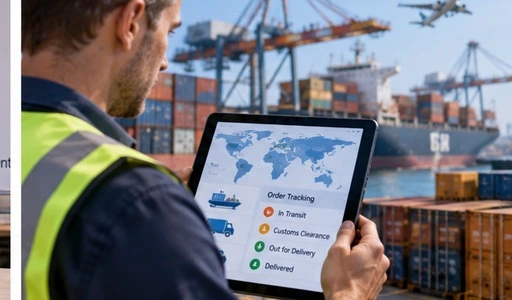
- Logistics Visibility and Transparency: Tracking orders in real time builds trust after the sale, which cuts down on bad reviews and helps build long-term brand value in foreign markets. For B2B buyers, delivery efficiency is an important factor that they can't ignore.
- Overseas Social Media and SEM Integration: New cross-border platforms work with Google Ads, Meta, TikTok, and local social networks. This lets sellers run ads across multiple channels that work well together without separating their data.
These skills don't work by themselves. They are more valuable when the trained sellers and operations staff who are in charge of them know how to read data, change strategies, and act on insights right away. In that situation, structured training really sets you apart from the competition.
Comparing Cross-Border E-Commerce Technology Platforms for Digital Marketing Integration
Every site isn't perfect for every type of business. When purchasing solutions for park incubation programs or institutional training environments, procurement leaders need to think about how well the solutions can be used in real life, how well they can be integrated, and how well they can cover compliance. Cloud-based platforms can be set up quickly and are flexible, which is good for training cohorts with a lot of turnover. Proprietary platforms usually offer dedicated vendor support, which makes it easier for people who have never used the platform before to get started.
What Differentiates a Training-Grade Platform
The "theory learning virtual simulation hands-on verification" process is the foundation of ECR Academy's cross-border e-commerce technology program, which uses a real-world training platform. This structure is like how platforms like Amazon, Alibaba.com, and Shopee really work, so students can practice setting up stores, showing products, planning campaigns, and analyzing data in a safe but real environment.
The platform has labs for managing operations, choosing products, promoting on foreign markets, analyzing data, helping customers, designing visual marketing materials, and managing logistics. These labs cover the whole process that a real seller would go through. High-conversion training programs are different from simply theoretical courses because they have this level of simulation detail.
Overcoming Challenges in Implementing Cross-Border E-Commerce Technology
When putting together Cross-Border E-Commerce Training programs, industrial park owners and vocational schools often run into the same problems: platform rules change all the time, instructors don't have real-world operational experience, and students finish courses without having any store resources to use when they start working.
Building a Resilient Training Infrastructure
These problems are solved by ECR Academy's faculty model, which pairs enterprise engineers working on live platforms with academic experts whose main job is to design courses. This two-part structure makes sure that the course material is up-to-date with the latest platform algorithms, advertising rules, and shipping routines, not just last year's textbook.
The program teaches seven main skill areas: how to use the platform, how to choose products, how to promote products in international markets, how to analyze data, how to help customers, how to do visual marketing design, and how to manage cross-border logistics. Each area is directly linked to a job role that park-incubated sellers or plant change teams will need to fill. These roles include Logistics Coordinator, Overseas Marketing Specialist, Operations Specialist, and Data Analysis Specialist.
Companies that use phased training, which involves moving groups of students from simulations to real-life account management over time, have much higher rates of sellers starting their own businesses within 90 days of the end of the program. Two things that are most likely to decide conversion after training are the continuity of teaching and real account access.
Future Trends: How Cross-Border E-Commerce Technology Is Shaping Digital Marketing
The way international sellers compete is changing because of AI-powered predictive analytics, automated personalization in marketing, and synchronized logistics intelligence. With low-code interfaces and AI-assisted workflow automation, platforms that used to need specialized technical teams to run are becoming easier for more people to use.
What This Means for Talent Development?
Over the next five years, the sellers and marketers who are able to use multiple platforms and understand data will have a huge part of the market. No longer just technical experts should know how to read a peer analysis report, change a Google Ads bidding strategy, or understand a transportation cost model; everyone who works across borders needs to be able to do these things.
The curriculum at ECR Academy, which is based on international standards for cross-border e-commerce, is made to build just this kind of person. Since 2010, ECR Academy has certified over 300,000 students in 28 countries and worked with more than 500 businesses. This means that government-funded training programs and industrial park managers can rely on them to meet talent development standards.
Conclusion
The link between access to international markets and successful digital marketing execution is cross-border e-commerce technology. The most important thing for people who run industrial parks, vocational schools, and workplace change teams is not whether to invest in this technology or not, but whether the people who will be using it are really ready to use it. The selling conversion rates that make the program investment worthwhile are achieved through structured, hands-on training that mimics real platform conditions and is led by teachers who have current operational experience. On precisely that basis, ECR Academy's cross-border e-commerce technology course is constructed.
FAQ
1. Can organizations enroll participants with no prior e-commerce background?
Yes. The ECR Academy program is organized so that it goes from basic ideas to live platform practice using virtual simulations. The teaching tool uses natural ways for people and computers to talk to each other, which makes it easy for beginners to learn. Industrial park groups and vocational students who had never done anything like this before have finished the program and opened shops.
2. What skill domains does the curriculum cover?
The program teaches students how to run an e-commerce store across borders, choose products and analyze markets, do international marketing using Google Ads and social media, analyze data, provide multilingual customer service, design visual marketing materials, and manage logistics. It is a complete program that meets international skill standards.
3. How does the program address rapidly changing platform rules?
The teaching model at ECR Academy pairs academic leaders with business engineers who work on real platforms. Instead of static course material, this structure makes sure that education content is updated to reflect new platform rules, algorithm changes, and advertising requirements.
4. What roles can trained participants pursue?
Graduates are ready for jobs like Cross-Border Logistics Coordinator, Overseas Marketing and Promotion Specialist, Data Analysis Specialist, Customer Service Specialist, Visual Marketing Design Specialist, and Cross-Border E-Commerce Operations Specialist.
Partner with ECR Academy — Your Cross-Border E-Commerce Technology Supplier for Scalable Talent Development
Since 2010, ECR Academy has helped almost 500,000 people in 28 countries. We provide useful, standards-aligned programs with quantifiable seller launch results as a dependable cross-border e-commerce technology provider for industrial parks, government-funded training initiatives, and trade schools. Get in touch with our team to talk about how we can help your company with training. For more information, email us at ecr2008@enteredu.com or go to enteredu.com.
References
1. eMarketer. (2023). Global Cross-Border E-Commerce Sales Forecast and Trends Report.
2. McKinsey & Company. (2022). The State of AI in Marketing: Personalization and Conversion Impact.
3. World Trade Organization. (2023). Global E-Commerce Statistics and Trade Digitalization Review.
4. International Trade Centre. (2022). SME Competitiveness and Digital Trade: Cross-Border E-Commerce Readiness.
5. UNCTAD. (2023). Digital Economy Report: Cross-Border Data Flows and E-Commerce Growth.
6. Forrester Research. (2023). B2B Digital Marketing Technology Stack: Integration, Compliance, and ROI Benchmarks.


_1781601799781.webp)