Electronic Product Testing Technology for Intelligent Electronics Development
Electronic product testing technology refers to the systematic process of verifying, validating, and evaluating electronic components and finished products against defined performance and safety benchmarks. As intelligent electronics grow more complex — spanning consumer devices, automotive systems, and 5G infrastructure — structured testing workflows become non-negotiable. From oscilloscope-based signal analysis to full-cycle safety compliance testing aligned with IEC, UL, and CCC standards, this field directly determines whether a product reaches market or fails inspection. Building these competencies through structured training is how institutions and enterprises stay ahead.
Understanding Electronic Product Testing Technology
It's helpful to know what this field is all about on a professional level before choosing a training program or testing option.
What It Covers
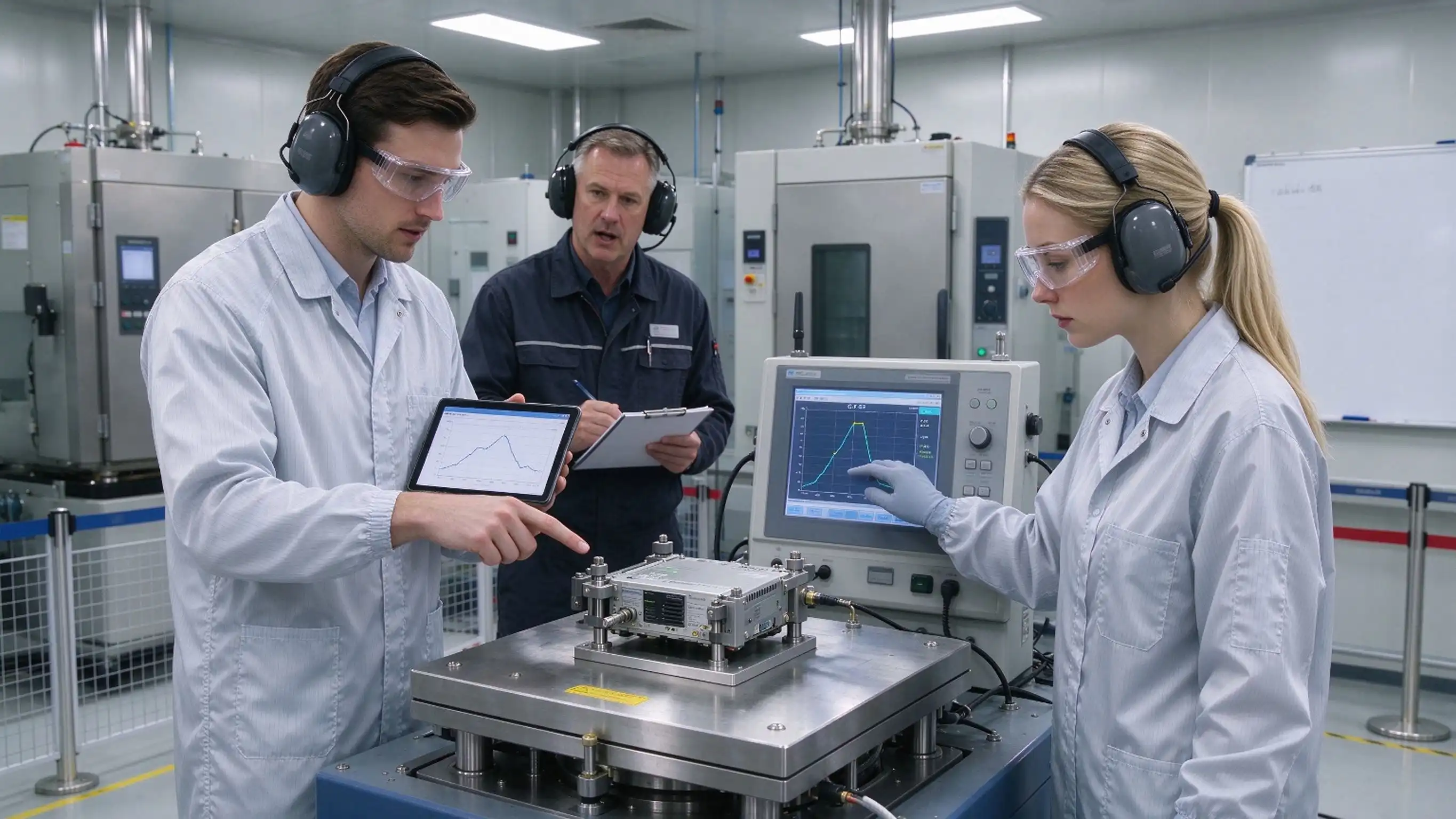
Testing an electronic product includes checking the incoming parts, checking the product as it's being made, and checking the finished product. Functional circuit testing, signal integrity analysis, dielectric resist testing, and reliability proof are some of the main things that are done. Each step plays a different part in making sure the quality.
Automated vs. Manual Testing Methods
Automated testing, like In-Circuit Testing (ICT) and Flying Probe Testing (FPT), can test a lot of things quickly and accurately, which is great for mass production. Manual testing is still needed to check the safety of a sample, make sure it meets safety standards, and do inspections based on opinion. In most professional settings, engineers need to be able to do both with confidence.
Why It Matters for Intelligent Electronics
IPC's 2023 industry study says that defect escapes and rework cost electronics makers between 8 and 12 percent of their yearly production value. This loss can be cut down directly by learning organized test processes, which include everything from making test plans to analyzing data. This also helps meet standards like IEC 60068, MIL-STD-810, and ISO/IEC 17025.
Latest Trends and Innovations in Electronic Product Testing
A lot of training programs can't keep up with how quickly the testing field changes. This is what people who work in the field are seeing.
AI-Assisted Defect Detection
Automated Optical Inspection (AOI) systems can now tell the difference between real defects and false positives more accurately with the help of machine learning models. This keeps inspectors from getting tired and speeds up test cycles in places with a lot of work to do.
Digital Twins and Virtual Simulation
Digital twin technology in electronic product testing technology lets engineers model and test how circuits work in a virtual world before they are made in real life. Learners and engineers can practice operating instruments without having to buy expensive gear that can cost anywhere from $10,000 to over $100,000 per unit. This is possible with virtual modeling platforms, especially ones that can be accessed through a browser.
Evolving Global Standards
IEC standards are updated every five years, and CCC, CE, FCC, and UL continue to make it harder to meet their requirements. Professionals who keep an eye on changes to the CNAS and ISO/IEC standards have a clear edge when it comes to being ready for audits and keeping clients' trust.
How to Choose the Best Electronic Product Testing Training for Your Institution
To find the best training solution, you need to look at more than just the course titles. These are the things that really define fit.
Here are the main things that procurement professionals and department heads should look at:
- Curriculum depth: Does it cover the full inspection workflow — incoming, in-process, and final? Does it include reliability testing and quality report writing?
- Standards alignment: Is content benchmarked against IEC, IEEE, MIL-STD, and mainstream certification systems like CCC, UL, and CE?
- Platform accessibility: Does the platform run on a B/S (Browser/Server) architecture, allowing browser-based access without software installation? This matters enormously for unified deployment across computer labs.
- Virtual simulation capability: Can learners practice oscilloscope operation, signal generator setup, and safety compliance test procedures in a simulated environment?
- Faculty background: Are instructors active testing engineers or purely academic? Courses co-delivered by enterprise engineers and academic experts tend to produce more job-ready graduates.
These criteria tell the difference between programs that sound good and those that really help students get ready for real tests. It always leads to better results in both school and business settings when theory and project-based practice are combined in the curriculum instead of being treated as separate modules.
Where and How to Access Quality Testing Technology Training
Procurement pathways for training programs differ depending on whether the buyer is an educational institution or a manufacturing enterprise.
For Educational Institutions
Vocational colleges and applied universities typically follow an annual training base construction cycle. The process runs from project approval in Q1, through government procurement (60–120 days), to platform deployment and instructor training (1–3 months). Identifying programs that meet government procurement documentation requirements early in the process saves significant time.
For Manufacturing Enterprises
Enterprise training procurement for electronic product testing technology tends to move faster. Annual training plans finalized in Q4 often lead to signed agreements within 30–60 days, with phased training rolled out over three to six months. The priority for factory environments is mobile-compatible, modular content that supports shift workers who cannot attend fixed-schedule classes.
Key Questions to Ask Any Provider
When evaluating a training supplier, ask whether the curriculum version aligns with the current edition of referenced standards, whether the platform supports concurrent multi-user access, and whether the provider offers post-deployment instructor support. These questions filter out vendors who cannot back up their marketing materials with operational specifics.
Best Practices for Implementing Electronic Product Testing Training
Deployment quality determines whether a training investment generates real competency gains or simply produces completion certificates.
Start with a Skills Gap Assessment
Before rolling out any program, map current team competencies against the testing roles you need to fill — whether that is incoming quality inspection engineers, safety compliance testers, or certification coordinators. This prevents generic training that misses actual organizational needs.
Integrate Virtual Labs Early
Platforms that include a built-in virtual testing laboratory allow learners to practice instrument setup and fault diagnosis from day one. This is especially valuable in environments where access to physical instruments like network analyzers or high-voltage dielectric testers is limited or restricted.
Track Progress and Iterate
Learning management systems with real-time progress tracking and adaptive path recommendations allow administrators to identify struggling learners before they fall behind. Post-training assessments tied to certification standards — such as CCC audit response or UL test report writing — provide measurable evidence of competency growth that institutions and enterprises can use in accreditation reviews.

Conclusion
Structured training in electronic product testing technology, such as analyzing components and certifying safety, is an investment in both the quality of the workforce and the products that are made. Curricula that are based on real standards, backed by virtual simulation, and provided through easy-to-use platforms are good for both institutions building applied engineering programs and businesses controlling quality on a large scale. The field is always getting better, and companies that work in competitive electronics markets have to keep up with IEC, UL, and CCC standards.
FAQ
1. Can learners with no prior electronics background take this course?
Yes. The course starts with basic electronics, like analog and digital circuit theory and basic electrical measurement, and then moves on to more advanced testing methods. A virtual simulation lab lets students practice over and over again, so even people who have never used instruments before can feel comfortable using them before they use real ones.
2. What roles can graduates pursue?
You can become an inbound quality inspection engineer, a final inspection engineer, a safety compliance test engineer, a metrologist, a test worker, or a certification or accreditation engineer. Manufacturers of consumer electronics, automotive electronics, and communications equipment often post jobs for these roles.
3. Does the course content align with current international standards?
Yes. The lessons are based on the standards set by IEC, IEEE, and MIL-STD, and they also cover how to get certified by CCC, UL, and CE.
Partner with E.C.R Academy for Electronic Product Testing Technology Training
E.C.R. Academy brings to every job 16 years of professional training experience, more than 500 business partnerships, and more than 60,000 self-made learning resources. We offer browser-based training options that meet IEC, UL, CCC, and CE standards because we are a trusted provider of electronic product testing technology to businesses, schools, and industry groups. Get in touch with us right away to ask for an overview of the program or to set up a platform demonstration. Email us at ecr2008@enteredu.com or go to enteredu.com to get in touch with us.
References
1. IPC. IPC-A-610 Acceptability of Electronic Assemblies. IPC, 2020.
2. International Electrotechnical Commission. IEC 60068-2: Environmental Testing — Part 2: Tests. IEC, 2021.
3. International Organization for Standardization. ISO/IEC 17025: General Requirements for the Competence of Testing and Calibration Laboratories. ISO, 2017.
4. U.S. Department of Defense. MIL-STD-810H: Environmental Engineering Considerations and Laboratory Tests. DoD, 2019.
5. IEEE. IEEE Std 1149.1: Standard Test Access Port and Boundary-Scan Architecture. IEEE, 2013.
6. China Certification & Inspection Group. Annual Report on Electronic Product Certification and Testing Standards Compliance in China. CCIC, 2022.

_1781601799781.webp)