Wind Power Training Course: Build Practical Wind Energy Skills
As renewable energy ambitions accelerate globally, the demand for skilled professionals who can operate, maintain, and optimize wind power systems has surged. Wind Power Engineering Technology represents a specialized approach that integrates aerodynamics, electrical systems, mechanical design, and digital control solutions to harness wind energy effectively. Our comprehensive training course is designed to bridge critical skill gaps across the wind energy value chain—from initial resource assessment through operational excellence—ensuring learners acquire competencies aligned with modern industry requirements and international benchmarks.
The global wind energy sector is expanding rapidly, with installations expected to exceed 130 GW annually by 2027. This growth creates unprecedented opportunities, yet the industry faces a persistent shortage of qualified technicians and engineers capable of managing increasingly sophisticated turbine systems. For enterprises managing wind farm operations, educational institutions developing renewable energy curricula, and industry associations coordinating workforce development, practical training rooted in real-world scenarios becomes indispensable. This article explores how structured wind power training programs prepare professionals for career success while addressing common organizational challenges in talent cultivation.
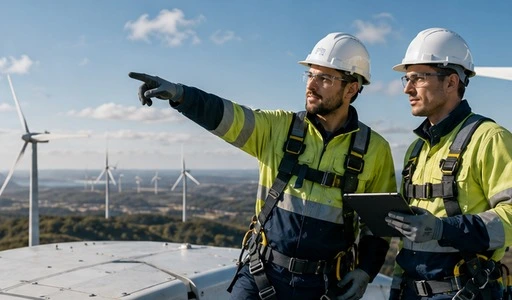
Understanding the Fundamentals of Wind Power Engineering
Core Aerodynamic Principles and System Architecture
To get the most energy from the wind, wind mills use lift-based blade shapes that look a lot like airplane wings. The rotor changes the kinetic energy of the wind into spinning mechanical energy. Generators then turn this mechanical energy into electricity. Some important performance factors are the cut-in speed, which is usually 3–4 m/s, the rated wind speed, which is usually 12–15 m/s, and the cut-out speed, which is about 25 m/s, at which turbines stop working for safety reasons. By understanding these basics, procurement professionals can accurately evaluate equipment specifications and engineers can effectively fix operational problems.
Often, the nacelle houses the primary shaft, gearbox, generator, cooling systems, and yaw mechanisms. For proper functioning, each part must resist extreme environmental conditions. New gearbox-free technology like direct-drive generators simplify maintenance. New materials like carbon fibre alloys make blades lighter and last longer. This allows larger rotor diameters to capture more energy. Keeping wires from rusting in seawater, considering how waves may effect the installation, and employing specific boats and technologies to ensure smooth offshore wind projects are technological challenges.
Material Selection and Design Constraints
One of the most difficult parts of making wind turbines is designing the blades. Engineers have to find a balance between how well something moves thru the air and how well it is built, how much it weighs, and how much it costs. Modern blades for utility-scale turbines are often longer than 80 meters. This means that the materials used need to be strong for their weight and not wear out over 20 to 25 years of use. Glass fiber reinforced polymers (GFRP) are used in most designs today, and carbon fiber sections are used to strengthen areas that are under a lot of stress.
Environmental factors have a big impact on design choices. Lightning hits are very dangerous for composite blades, so they need built-in safety measures. In cold places, ice builds up and makes things less efficient and safer, which led to the creation of heating systems and special coatings. Acoustic emissions have to follow stricter rules, which leads to new ideas in blade trailing edge design and operation strategies that lower noise during sensitive times. These real-world limitations shape the rules for buying things and taking care of things that groups need to fully understand.
Building Practical Skills Through Wind Power Training Courses
Critical Curriculum Components and Learning Paths
Building a wind farm starts with wind resource assessment. Professionals learn to measure using weather towers and LIDAR and SODAR devices. Data analysis abilities are required to anticipate energy production for project finance and feasibility assessments. Students simulate wind flow, assess turbulence, and anticipate resource availability using previous climatic data. These qualities immediately aid in site selection and plan design to maximize energy collection and minimize blade wakes.
System design essentials include turbine selection, power collecting, and substation construction. Training involves producing single-line diagrams, selecting the proper transformer size, selecting cables based on voltage drop and heat capacity, and coordinating the safety system. Participants learn to estimate energy return, construct financial models, and design building projects using conventional engineering tools. Case study models illustrate real-world worker issues such restricted finances, permission issues, and grid connection. This hands-on approach to learning helps pupils solve issues better than classroom instruction.
Installation and testing classes encompass mechanical and electrical part assembly, tools, and quality control. Bolt torque, hydraulic system pressure, electrical connection, and control system parameters are practiced. Commissioning involves testing the system, ensuring it satisfies maker requirements, and addressing startup issues. These talents save construction delays and costly blunders.
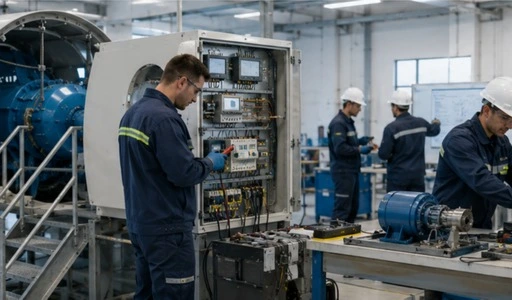
Certification Pathways and Professional Development
Recognized certifications help Wind Power Engineering Technology professionals build their credibility and move up in their careers. International groups like the Global Wind Organization (GWO) set safety and technical training standards that are widely accepted in the business. Our classes are in line with these standards. Different certification tracks are available for different jobs, such as those of turbine technicians who work on repairs and maintenance, project engineers who oversee installations, and procurement specialists who check the skills of suppliers.
Online learning forms, like self-paced modules with multimedia material and virtual exercises, give working professionals the freedom they need to balance training with other responsibilities. Intensive classes that take place in person offer more immersive experiences with direct access to tools and instructor Contact that speed up skill development. Combining theory lessons given from a distance with regular hands-on sessions at training centers stocked with real turbine parts, control system simulators, and safety gear is what hybrid approaches are all about. This blended approach takes into account different ways of learning while still maintaining high standards of competency.
As wind power technology changes quickly, it's important for professionals to keep learning and growing. Some new topics that are being talked about are predictive maintenance using machine learning algorithms, blade checks done by drones, integrating battery energy storage, and managing a hybrid green energy system. Advanced studies teach skills that are needed for working underwater, like marine operations, floating base technologies, and subsea electricity systems. Companies that spend money on ongoing training make sure that their employes stay up to date on new technologies and keep their competitive edge in terms of execution skills.
Strategic Procurement in Wind Power Engineering Technology
Supplier Evaluation and Technology Assessment
Leading turbine makers like Siemens Gamesa, Vestas, GE Renewable Energy, and Nordex all have a wide range of products that are best for different types of wind and project needs. People who work in procurement have to look at things like power curves, capacity factors under site-specific conditions, track records of stability, and the age of the technology. Established suppliers have a lot of operational data from global fleets that can be used to make predictions about performance based on facts. On the other hand, new manufacturers may be cheaper, but it's harder to know how reliable they will be in the long run.
Assessment of technology fit includes more than just turbine specs; it also looks at grid connection, resilience in extreme weather, and ease of upkeep. Certain site conditions are met by cold climate packages, typhoon-rated designs, and low-wind-speed models. Lifecycle costs are greatly affected by service agreements that include the supply of spare parts, regular upkeep, and warranty terms. As part of due diligence, reference sites must be visited, service network capabilities must be looked at, and the financial stability of suppliers must be checked to make sure they can support the project for its entire duration. These thorough reviews help keep investments safe and lower operational risks.
Quality Standards and Contract Management
When you buy components, you have to follow strict quality control methods that are in line with international standards. These include the IEC 61400 series specifications, which cover design requirements, testing processes, and safety systems. Thru factory acceptance testing, material certifications, and production oversight, inspection programs make sure that the quality of the goods being made. Ultrasonic testing and thermography are used in blade inspections to find problems inside the blade that can't be seen. Teardown reviews of gearboxes check the quality of the assembly and find possible problems before they are sent out into the field.
Structures of contracts need to include performance guaranties, promise conditions, liquidated losses clauses, and ways to settle disagreements. Power curve guaranties set base levels of success and include ways to get paid if goals aren't met. Manufacturers are more likely to support reliable operations with fast service when they offer availability guarantees. Offshore projects are more complicated because they need special installation vessels, plans for what to do in case of bad weather, and the help of a marine warranty surveyor. Effective contract management makes sure that everyone shares the risk while keeping the working relationships that are necessary to complete a project successfully.
Comparing Wind Power Technologies and Solutions for Informed Decision-Making
Onshore versus Offshore Wind Power Characteristics
Onshore wind farms have lower capital costs, established installation methods, and easy access to maintenance logistics. Typical installed capacity costs range from $1,200 to $1,600. Sites with a lot of wind power can get capacity factors of 35 to 45%, which means their energy costs are reasonable. In areas with lots of people, growth is limited by the availability of land, worries about how it will affect the view, and noise laws. Road infrastructure and blade length limits make it hard to transport turbines, but modular designs and on-site blade assembly techniques are making it easier to put them to use.
Better wind resources with higher average speeds and less turbulence allow offshore projects to reach capacity factors of 50% at the best locations. Larger turbines (15 MW or more) benefit from economies of scale not accessible on land, making Wind Power Engineering Technology critical to these developments. Capital expenditures remain high at $2,500–$4,000 per kW due to unique foundations, marine boats, and subsea electrical equipment. Fixed-bottom structures are impractical in deepwater environments, while floating foundations allow construction. This expands ocean resources. Vessel-based access, saltwater corrosion management, and marine growth control raise operational expenses compared to onshore. A detailed financial evaluation should include the site's resources, transportation infrastructure distance, and incentive structures when making these trade-offs.
Software Tools and System Integration
The choice of engineering software affects the quality of the design, the accuracy of the analysis, and the speed of the work flow. Specialized wind energy platforms, like WindPRO, openWind, and Windographer, can do everything from micrositing to evaluating energy yields and making financial models. When procurement teams look at bids, they need to know how to use these tools to check the assumptions made by consultants and the expected performance. Integration with larger business systems like SCADA platforms, asset management software, and financial planning tools makes processes run more smoothly and lets people make decisions based on data.
Comparative research with other green technologies helps investors make smart decisions about where to put their money. Solar photovoltaic systems have different ways of making electricity, but when they work together, they can make up for the unpredictable patterns of the wind. Hybrid projects that use both solar and wind power along with batteries have higher load factors and make the grid more stable. Hydroelectric sites offer dispatchable power that helps with the integration of green energy sources, but they have to deal with environmental and geographical issues. By knowing these strengths, you can optimize your portfolio in a way that balances cost-effectiveness, reliability needs, and sustainability goals that are in line with your company's environmental promises.
Career and Future Outlook in Wind Power Engineering
Role Categories and Skill Requirements
Operations and maintenance technicians do regular maintenance, figure out why equipment isn't working, and replace major parts. For these jobs, you need to be good with electricity and mechanics, able to work at heights, and able to diagnose problems and find solutions. Installation engineers are in charge of overseeing the commissioning process, coordinating the delivery of equipment, and managing construction activities. They need to be good at both project management and technical expertise. Design engineers plan the layout of a site, choose the tools that will be used, and do structural and electrical analyzes. They need to be good at using engineering software and following rules and regulations.
Renewable energy procurement experts need to know enough about technology to be able to evaluate supplier offers, contract terms, and performance requirements. Effective renewable procurement is different from generic purchasing approaches because it involves understanding wind turbine reliability data, warranty structures, and service network capabilities. Professionals in project finance set up deals, look at risk-return profiles, and arrange power purchase agreements. They need to know a lot about money as well as how energy is made and how things work.
Industry Growth Drivers and Innovation Trends
The market is still growing thanks to regulatory systems like green portfolio standards, carbon pricing methods, and direct subsidies. As companies try to reach their carbon neutrality goals, corporate procurement thru power purchase agreements has become a major demand driver. As technology improves and costs go down, deployment places that are still economically possible grow. Digitalization that uses AI for predictive maintenance, blockchain for green energy certificates, and improved weather forecasting makes operations more efficient and helps businesses make more money.
Offshore wind is the fastest-growing type of wind power, and there are big plans to grow it in Europe, Asia, and new U.S. markets. Deepwater growth is possible in places like the Pacific coast, the Mediterranean Sea, and off the coast of Japan with floating offshore wind technologies. Hybrid systems that combine wind power with hydrogen production are one way to store green energy and get industries to use less carbon. These new applications are making specialized job paths possible, and people who want to stay relevant as technologies change need to keep learning new skills.
Investing in specialized training has benefits for the company that go beyond improving individual skills. Businesses that have strong technical skills in-house can deal better with equipment providers, improve their operational strategies, and bring new ideas to life faster than rivals who only use outside consultants. Schools with cutting-edge courses get the best students and form partnerships with businesses that help fund research and create job opportunities. Industry groups that help develop the workforce are good for the whole ecosystem because they make sure there are enough skilled workers to support growth.
Conclusion
In conclusion, Wind Power Engineering Technology training gives professionals the specific skills they need to build and run successful green energy projects. Comprehensive programs that teach students how to evaluate resources, create systems, follow installation steps, and improve operating efficiency prepare students for a wide range of job opportunities in this growing field. Companies that engage in developing their employes have a competitive edge because their technical skills improve, their purchasing is more efficient, and their operations are run more smoothly. Continuous professional growth helps people and businesses stay ahead in this fast-paced field as wind energy technologies improve and deployment speeds up around the world.
FAQ
1. What prerequisites are needed for wind power training programs?
Most foundational courses are open to people who have never worked with wind energy before. Knowing the basics of electrical and mechanical engineering is helpful, but comprehensive programs start with basic ideas and work their way up to more complex ones. Thru structured training, people from a wide range of backgrounds, such as traditional power generation, construction management, and engineering, are able to successfully move into roles in wind energy. For advanced training that focus on specific skills like offshore installation management or wind farm optimization, you usually need to have related work experience and basic certifications.
2. How long does it take to get certified in wind power?
The length of training depends on the program's goals and the way it is taught. To get an entry-level technician certification, you usually have to go thru two to four weeks of intense training that covers safety rules, basic turbine systems, and repair methods. Comprehensive engineering programs that cover everything from evaluating resources to running a business can last between 3 and 6 months and include both online classes and hands-on lab sessions. With modular approaches, professionals can work on certain areas of their skills in small steps, earning credentials over long periods of time while still doing their jobs.
3. Does training include hands-on equipment experience?
Real turbine parts, control systems, and diagnostic tools are used in practical exercises in good training programs. Facilities with nacelle sections, blade segments, hydraulic systems, and electrical panels make it possible for students to practice actual skills while being supervised by a teacher. Virtual simulation platforms work with real equipment to help students practice situations like how to shut down in an emergency, figure out what's wrong, and improve performance without worrying about safety risks or damage to the real equipment. This mixed method improves the efficiency of learning while keeping costs low for training facilities and making schedules work smoothly.
Partner with E.C.R Academy for Comprehensive Wind Energy Training Solutions
Companies that want to improve the skills of their employes in the green energy field need training partners with a track record of success, complete courses, and a range of delivery options. E.C.R Academy offers specialized wind power training classes that were made by working with leaders in the industry and in academia to make sure that the material is relevant and useful. Our project-based learning combines theory background with practical experience by using high-tech simulation platforms, virtual reality settings, and real-world equipment setups.
Our Wind Power Engineering Technology curriculum covers the whole value chain, from evaluating resources to long-term operations. This prepares students to contribute right away to the goals of the organization. Big data analytics, cloud computing, and digital twin technologies are used in training centers to keep up with modern business practices. Different organizations need different ways to offer training, whether it's for a single expert or a whole technical team. Customized programs are made to meet the needs of specific organizations. These might be offshore wind competencies, digital transformation projects, or standardized certification for large groups of workers.
E.C.R Academy has been a trusted provider of Wind Power Engineering Technology training for 16 years, working with schools, operating companies, and industry groups in 28 countries. They know the unique problems that organizations face when they are trying to add renewable energy capabilities. Businesses, vocational schools, and industry groups that want to improve technical skills and move forward with their planned sustainability goals are free to contact us. Contact our team at ecr2008@enteredu.com to learn more about how we can help you find training solutions that fit your organization's needs.
References
1. International Renewable Energy Agency (IRENA), "Renewable Energy and Jobs – Annual Review 2023," examining workforce dynamics and skill requirements across wind energy sectors globally.
2. Global Wind Energy Council (GWEC), "Global Wind Report 2024: Annual Market Update," analyzing installation trends, technological developments, and regional growth patterns shaping industry evolution.
3. National Renewable Energy Laboratory (NREL), "Wind Turbine Technology: Fundamental Concepts in Wind Turbine Engineering," providing comprehensive technical foundations for aerodynamics, structural design, and control systems.
4. European Wind Energy Association, "Wind Energy Training and Education: Best Practices for Curriculum Development," outlining effective pedagogical approaches for renewable energy workforce preparation.
5. American Wind Energy Association (AWEA), "Operations and Maintenance Best Practices," documenting industry standards for turbine servicing, performance optimization, and asset management strategies.
6. IEC 61400 Series Standards, "Wind Turbines – Design Requirements and Testing Procedures," establishing international technical specifications and safety protocols governing equipment manufacturing and operations.


_1781601799781.webp)