Industrial Robot Operation Training Course: Build Practical Robot Skills
The shift toward automated production has created an urgent need for skilled technicians who can operate, troubleshoot, and maintain robotic systems. An Industrial Robot Operation Training Course builds practical robot skills by integrating hands-on mechanical maintenance, electrical diagnostics, control system programming, and advanced Industrial Robot Intelligent Operations & Maintenance techniques. Using platforms like the BN-R365 training system and ROS-based mobile robots, learners gain real-world experience in fault diagnosis, predictive maintenance, cloud monitoring, and remote troubleshooting—skills that directly address the talent gap in smart manufacturing environments.
Understanding Industrial Robot Intelligent Operations and Maintenance
The Evolution from Reactive to Predictive Maintenance
In traditional repair methods, work is done on set schedules or after equipment breaks down. Intelligent maintenance, on the other hand, uses IoT sensors, edge computing, and AI algorithms to keep an eye on robot health all the time. Analytics systems use data sources from vibration sensors, thermal cameras, and torque tools to find problems early on, before they become major problems. This change cuts unplanned downtime by up to 30% and makes equipment last a lot longer.
Core Technologies Driving Intelligent O&M
A number of important technologies are used together in intelligent operations and repair systems. Edge routers get data from robot controls and other devices in real time and send it to cloud platforms so it can be analyzed. Machine learning models find trends that show when bearings are wearing out, servo motors are breaking down, or the control system is drifting. Technicians are notified automatically when problems need to be fixed, and digital twin models test repair plans online before they are put into action. These technologies work together to make an ecosystem for proactive maintenance that keeps production lines running smoothly.
Overcoming Integration and Security Challenges
Intelligent maintenance isn't always easy to put into place. Some older robots may not have up-to-date communication protocols, so they need sensor kits and gateway devices to be added. When shop floor equipment is linked to cloud services, data security is very important. Encryption standards and access rules must be used to protect private business data. Investing in training teams to understand data screens and act in the right way is also necessary. But companies that deal with these problems gain a competitive edge by having more equipment available and less money spent on maintenance.
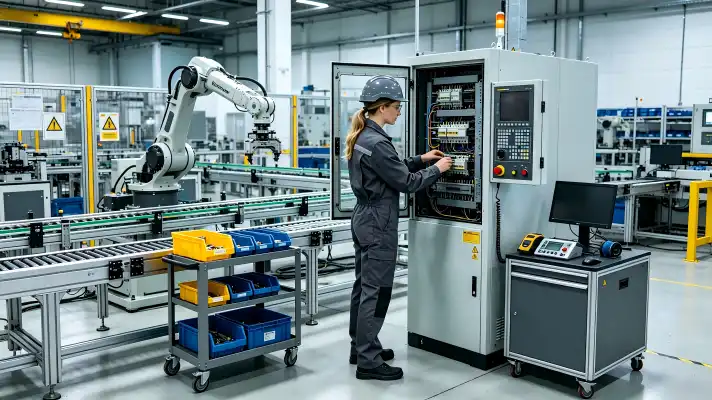
Building Practical Skills: How to Perform Intelligent Maintenance on Industrial Robots
Mechanical System Maintenance Workflows
Technicians start by learning how to take apart robots in a way that keeps the measurements accurate. Tasks include taking out and putting back in the motor, adjusting the tension on the synchronous belt, and replacing parts of the housing. Precision calibration tasks teach people how to use laser measurement tools and controller-based calibration processes to get back to accurate positional readings. These mechanical skills are the basis for all maintenance work and make sure that robots can physically do what they are programd to do.
Electrical Diagnostics and Fault Resolution
Systematic ways to fix problems are what electrical system training is all about, especially for Industrial Robot Intelligent Operations & Maintenance. Learners find hardware problems by using multimeters and oscilloscopes to look for voltage drops and problems with signal integrity. They also find electrical problems that are caused by software, like wrong I/O configurations or problems with communication between controllers and drives. Intelligent inspection jobs use thermal imaging cameras to find parts that are getting too hot before they break. This gives regular electrical repair a predictive element.
Control System Configuration and Vision Integration
Control system lessons teach how to set up a coordinate system, configure a network, and calibrate the zero point. To connect robots to PLCs and HMIs, learners use industrial communication standards such as EtherCAT and PROFINET. Vision system programming tasks show how cameras and image processing methods can be used to check the quality of things and move things around automatically. As more and more robots are added to complex, interconnected production cells, these skills become more and more important.
Applying Cloud-Based Monitoring and Remote Maintenance
Edge gateway rollout is part of the intelligent maintenance program. This is where students set up devices that collect data from multiple robots and send it to cloud platforms. Dashboard training teaches how to read key performance indicators such as error frequency, cycle time variance, and power consumption trends. Remote troubleshooting exercises simulate situations in which technicians figure out problems and use videoconferencing to walk on-site operators thru repairs. This is a very important skill for manufacturing companies with more than one location.
These combined competencies prepare technicians to handle the full spectrum of maintenance tasks in modern automated facilities. Case studies from real life show that trained staff cuts the average time it takes to fix something by 40% compared to people who only rely on vendor support.
Comparing Intelligent vs Traditional Industrial Robot Maintenance Solutions
Traditional Maintenance: Reactive and Preventive Models
There are two main paths that traditional maintenance usually takes. Reactive maintenance waits for problems to happen before sending out technicians to fix them. This method increases the chances of unexpected downtime and the cost of emergency repairs. Preventive maintenance plans regular checks and part repairs based on how often the maker says to do them or how often they have been done in the past. This method is better than pure reaction, but it often changes parts too soon or misses new problems that come up between checks.
Intelligent Maintenance: Predictive and Prescriptive Strategies
Intelligent Industrial Robot Intelligent Operations & Maintenance systems use statistical models and machine learning to keep an eye on the condition of equipment all the time and predict when it will break down. Vibration research can find worn-out bearings weeks before they make noise. Thermal trends show that electrical connections are breaking down. Patterns in power use show problems with mechanical binding or motor tuning. Predictive alerts let fixes be done during planned breaks, which has the least possible effect on production. Advanced prescriptive systems even suggest specific steps to take to fix problems based on how they are classified.
ROI Metrics and Cost-Benefit Analysis
Companies that use clever maintenance say it has real benefits. Cutting down on downtime by 25–35% directly boosts production throughput. Maintenance costs can be cut by 20 to 30 percent by replacing parts more efficiently and calling for help less often. If you tune your processes better, they will use 10-15% less energy. Depending on the size of the plant and the number of robots it has, intelligent repair infrastructure usually pays for itself in 12 to 24 months.
Selecting the Right Platform for Your Operations
There are a few things you need to think about when picking an intelligent maintenance solution. How hard it is to integrate depends on how well it works with other robot brands, like ABB, FANUC, KUKA, and Yaskawa. Scalability is important for businesses that want to automate more. Quality of vendor support affects the success of implementation and ongoing optimization. When deciding between cloud and on-premise operation, data protection and access needs must be balanced. Return on investment is highest when training programs help internal teams use and understand the system.
Technical Implementation: Integrating AI and IoT into Industrial Robot O&M
Planning and Infrastructure Assessment
The first step in implementation is to check the present equipment's skills. Newer robots often come with built-in ways to connect and record data. Sensors and communication adapters may need to be added to older models. The network infrastructure needs to be able to handle more data traffic between devices on the shop floor and servers that do analytics. IT security policies need to be updated so that access to the cloud can be controlled and sensitive production data can be kept safe.
Edge Computing and Gateway Deployment
As places where data is collected, edge gateways get messages from robot controls, PLCs, and outside sensors. Before sending data to the cloud, these devices do some basic processing, like filtering out noise, making sure that data types are consistent, and compressing streams. People who take courses in Industrial Robot Intelligent Operations & Maintenance set up gateway devices, linked data points to cloud variables, and created alert levels. Using the BN-R365 platform for hands-on training gives you real-world practice with industrial communication protocols.
Cloud Platform Integration and Analytics
When data moves to cloud platforms, analytics engines use set rules and trained machine learning models to process it. Configurations for dashboards show robot health scores, repair plans, and alerts for strange behavior. Integration with ERP systems lets extra parts be ordered automatically when predictive models say that a part needs to be replaced. Advanced platforms give you access to APIs, which lets you connect them to other manufacturing execution systems in a way that fits your needs.
Autonomous Diagnostics and Self-Healing Capabilities
Modern clever repair systems have self-sufficient features that deal with problems without any help from a person. During idle times, self-diagnostic processes check the servo response, encoder accuracy, and stop functioning. Self-tuning algorithms change the PID settings to keep the motion working at its best even as the mechanical parts wear out. When the main robots need to be serviced, automatic backup switching moves production to the backup robots. These features are the cutting edge of intelligent operations; they make it possible to keep high availability while lowering the need for expert workers.
Enhancing Your Industrial Robot Operation Training Course with Intelligent O&M Insights
Curriculum Integration Strategies
Hands-on mechanical and electrical skills, as well as data analytics and cloud platform operation, are all important parts of good training. Early lessons teach basic topics like safety rules, how machines work, electricity, and the basics of computing. In the intermediate classes, organized ways to fix problems and troubleshoot are taught. Intelligent upkeep ideas are added on top of that in more advanced courses that teach sensor technology, data analysis, and predictive analytics. This structured progression makes sure that students get better at what they're doing over time.
Blended Learning with Simulation and Live Equipment
The most effective courses use both virtual simulations and real robots for practice. VR training modules let students safely practice dangerous tasks like high-voltage diagnostics or precise calibration while time is tight. Systems like the BN-R365 platform are used in physical training areas to give students hands-on practice with real industrial parts. Using cloud-connected monitoring during practice sessions is like working in a real factory, where technicians have to balance using data dashboards and doing physical maintenance work.
Preparing for Industry 4.0 Career Pathways
After finishing a full program in Industrial Robot Intelligent Operations & Maintenance, graduates can go in a lot of different directions with their careers. Everyday production is run by robot system workers, who also keep an eye on intelligent screens for problems. Predictive alerts help maintenance technicians do repairs by hand. Automation experts come up with maintenance plans and find the best ways to gather data. Technical support experts help with fixing and online tests in a number of different locations. People with these skills can make good money working in clever manufacturing, and they can move up quickly in their careers.
Building Internal Expertise for Sustainable Advantage
When companies learn how to do their own maintenance, they depend less on equipment vendors and outside service providers. Teams inside the company know about certain production needs and facility quirks that technicians from outside the company might miss. They fix problems faster and make sure that maintenance schedules work best with production needs. Putting money into organized programs to train employes helps them remember what they've learned and makes the company more resilient as automation grows.
Conclusion
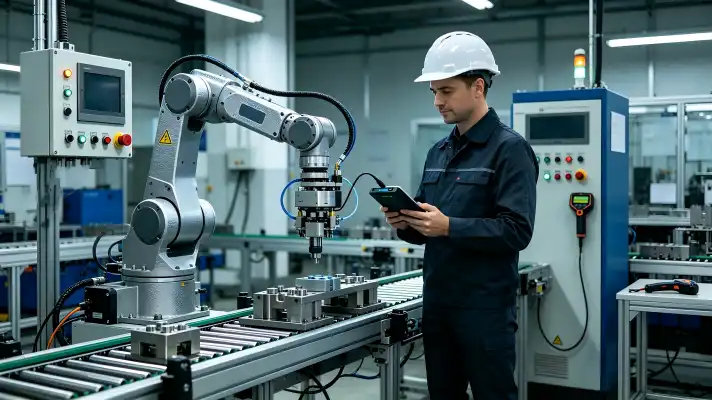
Robotics, AI, and the Internet of Things are coming together to change industry upkeep from a reactive need to a strategic benefit. Technicians learn the practical skills they need to keep automated systems running smoothly thru Industrial Robot Intelligent Operations & Maintenance training. Professionals can cut down on downtime, make equipment last longer, and help production keep getting better by combining traditional mechanical and electrical skills with modern data analytics and cloud monitoring tools. Companies that spend money on thorough training programs set themselves up to do well in the competitive world of smart manufacturing.
FAQ
1. What background do learners need before starting this training?
People who already know a lot about mechatronics, automation, or mechanical manufacturing will benefit from this training. Learners can move forward more quickly if they understand basic electrical engineering principles and how mechanical systems work, even tho the program uses a progressive teaching method. Beginners can start with basic modules that teach them about safety rules and how to use robots in simple ways. Then they can move on to more difficult maintenance jobs and smart system apps.
2. How long does it take to become proficient in intelligent robot maintenance?
Getting better at something depends on how much you train and how much experience you have. Comprehensive programs usually include between 200 and 400 hours of both lecture and hands-on work. People who already know how to do maintenance may be able to become proficient in core Industrial Robot Intelligent Operations & Maintenance skills in three to four months. People who are new to industrial automation usually need 6 to 9 months to learn enough about mechanical, electrical, and intelligent maintenance to be able to fix problems on their own.
3. Can this training apply to different robot brands?
Yes, the training is based on general rules that can be used with all major types of industrial robots, such as ABB, FANUC, KUKA, and Yaskawa. Different manufacturers use different programming languages and menu structures, but basic ideas like kinematic calibration, servo tuning, network configuration, and predictive maintenance techniques are the same across all platforms. The skills that learners gain are more general than brand-specific.
Why Partner with E.C.R Academy for Your Robot Training Needs
E.C.R Academy focuses on creating skills training that is ready for the future and connects what students learn in the classroom with real-world applications. Our Industrial Robot Intelligent Operations & Maintenance course uses the tried-and-true BN-R365 training platform, ROS-based mobile robots, and cloud monitoring systems to give students real-life experience that is similar to what they would find in a factory. We know what makers and schools are going thru because we've been helping over 500,000 students in 28 countries for 16 years. Email us at ecr2008@enteredu.com to talk about custom training options that are made to fit your specific brands of equipment, production scenarios, and skill-building goals.
References
1. International Federation of Robotics. (2023). World Robotics Report: Service Robots and Industrial Applications.
2. Smith, J., & Kumar, R. (2022). Predictive Maintenance Strategies for Industrial Automation Systems. Industrial Press.
3. Zhang, L., Wang, H., & Chen, Y. (2023). "IoT-Based Intelligent Maintenance Framework for Industrial Robots." Journal of Manufacturing Systems, 68, 234-247.
4. European Commission. (2022). Digital Skills and Training for Industry 4.0: A Comprehensive Guide.
5. Thompson, M. (2023). Smart Manufacturing: Integrating AI and Robotics in Modern Production. McGraw-Hill Education.
6. National Institute of Standards and Technology. (2022). Standards for Robotic System Integration and Maintenance Protocols.


_1781601799781.webp)