Can Smart Security Training Prepare You for Technical Jobs?
The answer is a definite yes. Smart security training delivers practical, job-ready competencies that align directly with technical roles across industries relying on advanced protection systems. At the core of this preparation lies Intelligent Security Monitoring Technology—a field blending AI analytics, video surveillance, and IoT sensors to create proactive, automated security environments. Through structured learning paths that combine sensor applications, equipment installation, and system integration, trainees develop the hands-on expertise needed for positions in security enterprises, industrial safety management, and emergency response sectors.
Understanding Smart Security Training and Its Role in Technical Jobs
What Smart Security Training Really Means
Smart training in security is more than just theory. It teaches skills in combined security platforms, AI-powered tracking systems, and finding incidents in real time. Professionals learn how to set up cameras, fix problems with alarm panels, and look at tracking data. These are all skills that can be used directly in technical jobs.
Bridging the Gap Between Classroom Learning and Workplace Demands
Traditional education often doesn't focus on how things can be used in real life. By using project-based methods, smart security training fills in that gap. Learners work through actual situations like setting up intrusion detection systems, fixing problems with devices that are tied to a network, and testing the whole system. This hands-on method is similar to real job tasks and prepares people to start contributing right away.

Core Competencies Gained Through Structured Training
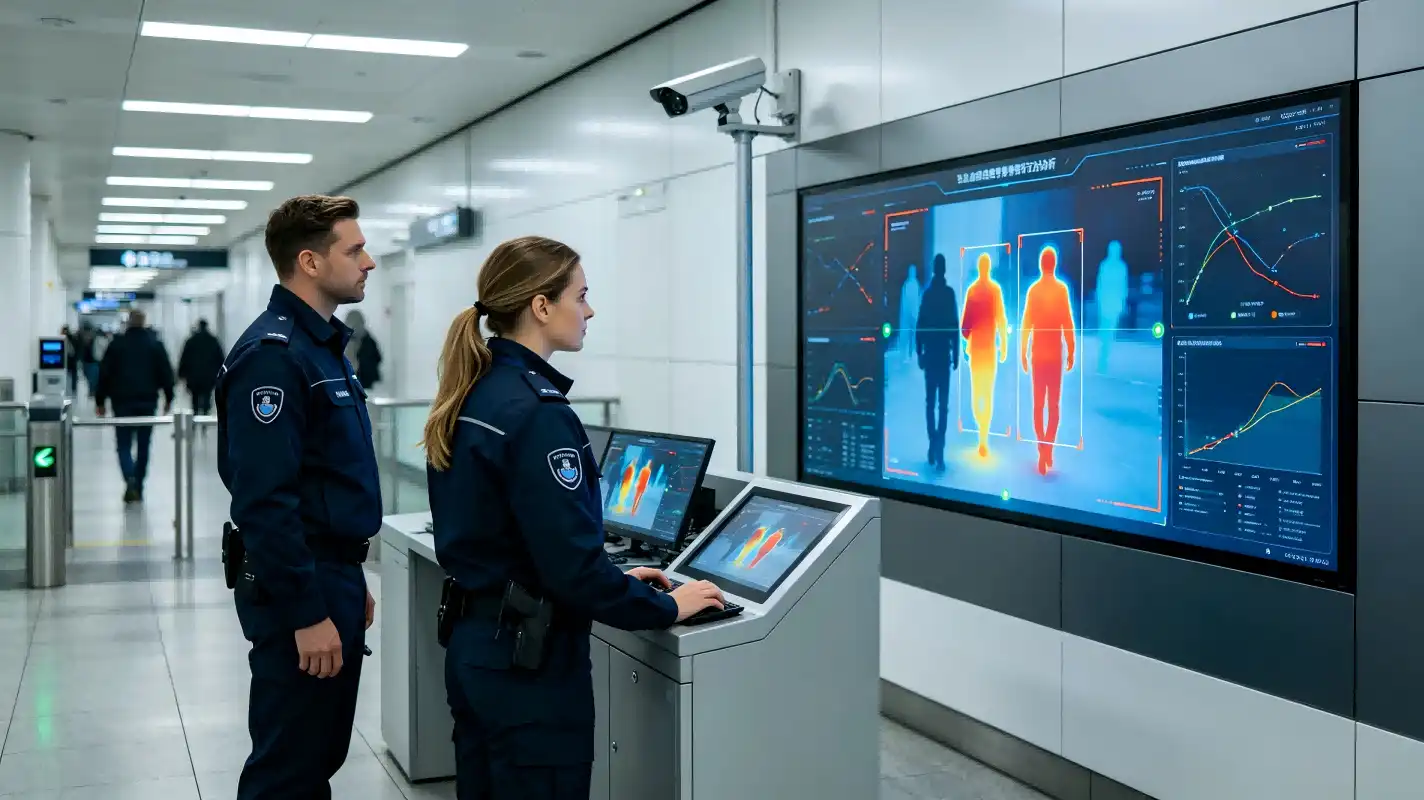
The participants learn how to set up sensors that can measure temperature, pressure, and movement. They get good at programming PLCs and using microcontrollers, which lets them automate monitoring tasks. It becomes second nature to set up and run video surveillance systems, as well as to integrate tasks that bring together platforms for access control, alarms, and analytics. These skills are the basis for technical jobs in areas like maintaining security systems, keeping an eye on safe production, and overseeing operations.
Evolution from Traditional Security Practices to Intelligent Security Monitoring
Limitations of Conventional Security Systems
In the past, security systems relied on people watching and reacting by hand. Guards watched screens for hours, but they often missed important events because they were tired or busy. The equipment was made up of stand-alone cameras that could only record a few things and didn't have any automated analysis. This method didn't work well in places with a lot of moving parts, like industrial parks, transportation hubs, or sites with more than one location.
The Shift Toward AI-Driven Automation
The world has changed because of Intelligent Security Monitoring Technology. Deep learning systems can now classify things in real time, telling the difference between approved users and possible threats. Edge computing cuts down on latency, which lets you get instant alerts when something goes wrong. Systems use thermal imaging to see in low light and behavioral analytics to spot strange trends before they get worse.
How Training Adapts to Technological Advances
These new ideas are now part of modern training programs. Students learn how to process video images in ways that are useful for security monitoring. They look into ways to combine video feeds, access logs, and alarm prompts into a single system. The lesson goes over IoT protocols for sensor networks and data analytics for finding patterns in big sets of data. This makes sure that grads know how to use both old and new technologies.
Benefits of Smart Security Training for Technical Job Preparedness
Developing Problem-Solving and Analytical Skills
Working with smart monitoring systems makes you smarter at thinking critically. Trainees figure out what's wrong with equipment by reading error codes and making sure the circuits are working right. Based on coverage data and weather conditions, they find the best place for each camera. By looking at patterns of false alarms, they learn how to change detection thresholds so that sensitivity and operational efficiency are both maintained.
Gaining Hands-On Experience with Industry-Standard Equipment
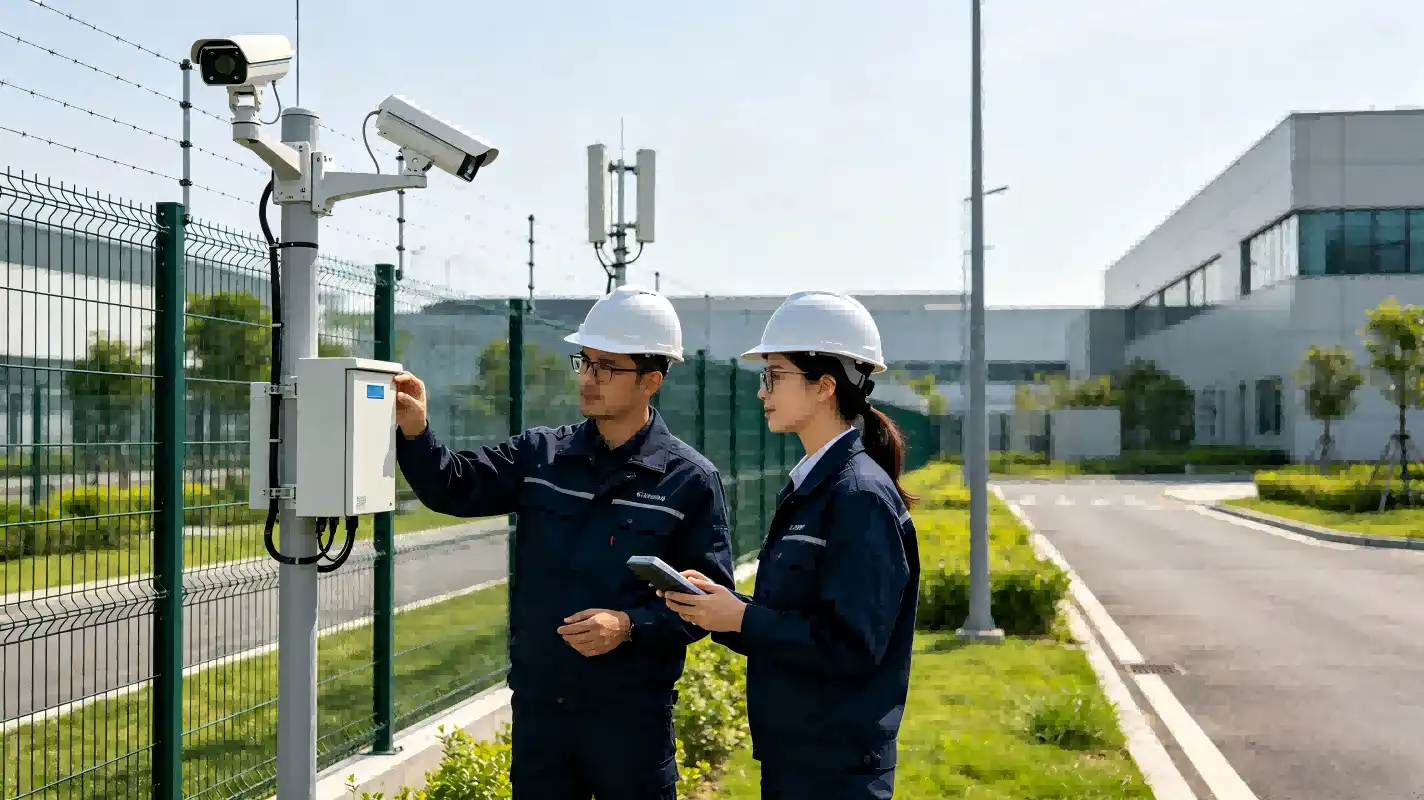
Training platforms look and work like real-life situations. Sensor application labs have temperature probes, vibration detectors, and gas sensors that are used to keep factories safe. Professional cameras, network video recorders, and switching equipment are kept in video security rooms. Infrared detectors, magnetic Contacts, and central control screens are all parts of intrusion warning systems. Being around this equipment builds trust and familiarity, which are both important for skilled jobs.
As students learn, they go through full installation processes, which include planning cable routes, mounting devices, setting up network addresses, and fixing them together. They write down acceptance processes and look at metrics for system efficiency. This wide range of experience prepares them for jobs that require them to work on projects on their own.
By learning how to use these systems, graduates show that they are ready to work for security companies looking for technicians, factory safety departments looking for monitors, and emergency management groups looking for operational staff. The skills directly meet the needs of employers, which makes trainees have strong job prospects.
Aligning With Procurement and Operational Needs
Professionals can talk to vendors and evaluate product details more effectively if they understand system design. Quality standards like ONVIF connectivity, IP-rated environmental protection, and security methods like AES-256 encryption are all covered in training. This information is very helpful when looking at Intelligent Security Monitoring Technology suppliers, comparing benchmarks for performance, or negotiating contracts. Technical staff who know about things like compute power (TOPS), low-light sensitivity (Lux ratings), and video compression efficiency (H.265+ codecs) are helpful to procurement teams.
Applications of Intelligent Security Monitoring Knowledge in Various Technical Jobs
System Installation and Maintenance Roles
Video monitoring is set up in a wide range of places, such as warehouses, schools, and shopping chains. They set up organized cabling, disconnect links, and plan when to record. Updating the firmware, managing the storage, and periodically calibrating the sensors are all maintenance tasks. They are trained to handle access control integration, which means making sure that door locks are in sync with databases for identification.
Safety Production Monitoring Positions
Industries that work with dangerous materials need to keep an eye on the environment all the time. In chemical plants, graduates put gas monitors to work, shaking sensors on machines that spin, and thermal cameras in power substations. They set up PLC systems so that alarms go off when parameters go over safe limits. For this job, you need to know about both tracking equipment and safety rules for the workplace.
Operational and Data Analysis Functions
A lot of data is created by intelligent systems. Analysts look through old video archives to look into crimes, find patterns in alarm logs, and suggest ways to make the system work better. They look at how often the equipment is up and running, find coverage gaps, and suggest ways to increase capacity. This work uses both technical understanding and strategic planning to help the company reach its security goals.
Contributing to Innovation and Vendor Collaboration
Pilot projects that test AI analytics, like recognizing license plates, mapping crowd densities, or facial authentication, involve professionals with a lot of experience. They give writers feedback that affects how the product is improved. In buying situations, they look at demos from vendors, make sure compliance certificates are real, and talk about service agreements. Their knowledge helps businesses choose trustworthy Intelligent Security Monitoring Technology makers and providers that meet their needs.
Challenges and Future Trends in Smart Security Training and Intelligent Monitoring Careers
Addressing Data Privacy and Ethical Considerations
Privacy worries are raised by more advanced monitoring. Data protection laws like GDPR and CCPA are being taught in more and more training classes. Students learn about ways to hide personal information, protocols for sending data securely, and rules for controlling who can see what. Finding a balance between successful security and people's rights becomes an important career skill.
Overcoming Workforce Skill Gaps
Traditional education can't keep up with how quickly technology changes. As AI programs get better and hardware gets better, it's important to keep learning. Certifications show that you know what you're talking about, and flexible training lets workers improve their skills without having to re-enroll in the whole program.
Anticipating AI Evolution and Automation Trends
Future systems will be able to respond on their own, like sending drones to look into perimeter breaches or robots to patrol the building. Professionals who manage mixed human-machine teams need to understand these interactions. As time goes on, training expands to include robotics interfaces, protocols for self-driving cars, and edge AI deployment strategies.
Strategies for Staying Competitive
Curricula stay up-to-date when educational institutions, industry groups, and technology developers work together. Enterprise engineers co-teach classes and share what they've learned from deploying systems in the field. Learners can view up-to-date case studies that show how threats and solutions work now. Employers work with training providers to make sure that skill development matches the needs of hiring managers. This makes it possible for people to go from school to work.
Companies that train their workers get an edge over their competitors. Teams that know how to use Intelligent Security Monitoring Technology complete projects more quickly, keep systems running smoothly, and make smart choices about what to buy. The value of skilled workers goes up as security problems get more complicated.
Conclusion
Smart security training definitely gets people ready for technical jobs by teaching them useful skills that are in line with what the industry needs. Trainees learn skills that can be used right away in security companies, industrial safety departments, and emergency management agencies through project-based learning that includes sensor applications, equipment commissioning, and system integration. The focus on Intelligent Security Monitoring Technology makes sure that graduates understand both basic ideas and new technologies like AI analytics and IoT connectivity. As security settings get more complex, people with these skills will still be in high demand. They will help drive operational excellence and support organizational safety goals in a wide range of industries around the world.
FAQ
1. What Core Competencies Do Trainees Gain Through Smart Security Training?
Participants learn how to set up sensors, install video security, set up entry alarms, and connect the whole system. In order to do automated tracking, data collection from work settings, and diagnostic troubleshooting, they learn how to program PLCs and microcontrollers. With these skills, they'll be ready for jobs as operational engineers, safety production monitors, and technicians who work on security systems.
2. How Does Intelligent Security Monitoring Technology Differ From Traditional Systems?
In traditional setups, things are watched and responded to by hand. Intelligent Security Monitoring Technology uses AI algorithms to classify objects in real time, which cuts down on false alarms and makes it possible to find threats before they happen. Edge computing for fast processing, thermal images for seeing in the dark, and behavioral analytics for making predictions are all built into it.
3. Why Should Procurement Managers Value This Training for Their Teams?
Staff who have been trained in advanced tracking systems can look over partner bids, make sure they meet technology requirements, and check compliance certifications. They know standards for quality such as ONVIF protocols, environmental entry rates, and security standards. This knowledge helps people make smart buying decisions, which ensures that businesses get reliable, low-cost solutions from trustworthy Intelligent Security Monitoring Technology suppliers.
Partner With ECR Academy for Advanced Security Training Solutions
ECR Academy is a world leader in vocational training that has helped nearly 500,000 people in 28 countries over the past 16 years. It can help organizations improve their technical skills in security tracking. Our Intelligent Security Monitoring Technology curriculum mixes hands-on projects with real-world equipment platforms to give students skills that are useful in emergency management, security companies, and workplace safety departments.
We work with vocational schools, industry groups, and forward-thinking businesses to make training programs that fit their needs. Faculty teams bring together business engineers and academic experts to make sure that lessons are a good mix of theoretical depth and real-world application. Learners use sensor training rooms, video security systems, intruder alarm platforms, and network cabling facilities to get hands-on practice that prepares them for jobs.
ECR Academy has customized solutions for everyone, whether you are an educational institution that wants to offer more programs, a company that makes Intelligent Security Monitoring Technology and is looking for skilled installation partners, or a business that wants to improve the skills of its employees. Contact our team at ecr2008@enteredu.com to learn more about the program, talk about business possibilities, or get a personalized consultation. Give your teams the technical know-how they'll need to do well in the intelligent security world of tomorrow.
References
1. Smith, J., & Lee, K. (2022). Artificial Intelligence in Security Systems: Applications and Industry Impact. International Journal of Security Technology, 18(3), 145-162.
2. Chen, L. (2021). Workforce Development in Smart Infrastructure: Training Models for Technical Competency. Global Vocational Education Review, 12(4), 78-94.
3. National Institute for Occupational Safety and Health. (2023). Guidelines for Safety Monitoring Systems in Industrial Environments. Washington, D.C.: U.S. Department of Labor.
4. Rodriguez, M., & Patel, S. (2023). Integration of IoT and AI in Modern Security Architectures. Security and Surveillance Journal, 29(1), 56-73.
5. European Commission Directorate-General for Education and Culture. (2022). Technical Skills for Emerging Technologies: A Framework for Professional Training. Brussels: EU Publications Office.
6. Wang, H., & Thompson, R. (2021). Video Analytics and Deep Learning: Transforming Physical Security Operations. IEEE Transactions on Systems and Security, 47(2), 201-218.


_1781601799781.webp)