A Guide to Additive Manufacturing Equipment Operations & Maintenance Training
The success of modern 3D printing operations hinges on skilled personnel capable of managing complex equipment lifecycles. additive manufacturing equipment operations & maintenance represents the systematic approach to managing industrial 3D printing systems—spanning preventive care, troubleshooting, and performance optimization across FDM, SLA, and SLS technologies. As manufacturers and educational institutions increasingly rely on additive processes for prototyping and production, structured training programs have become essential for minimizing downtime, ensuring part quality, and maximizing return on investment. This guide explores how comprehensive training transforms equipment management from reactive repairs into proactive operational excellence.
Understanding Additive Manufacturing Equipment Operations and Maintenance
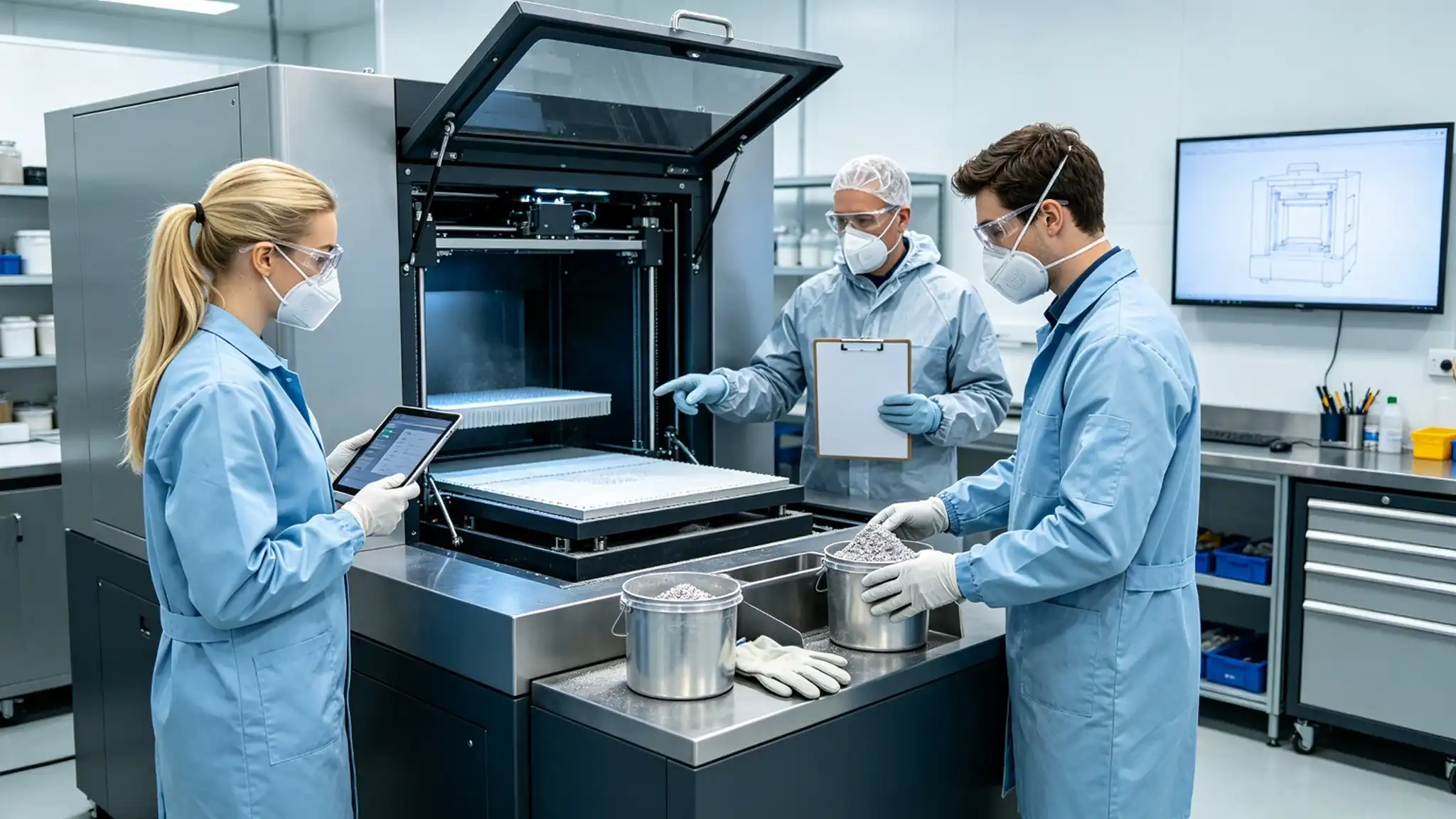
What Operations and Maintenance Encompasses
effective additive manufacturing equipment operations & maintenance includes three fields that work together to keep output going. scheduled inspections, calibration checks, and part changes are all part of preventive maintenance. usually, these are done at the manufacturer-recommended times for laser optics cleaning, resin tank replacement, or powder sieve inspection. corrective maintenance fixes problems quickly by figuring out what's wrong, which means techs have to read error codes and replace broken parts. predictive maintenance uses monitor data and trends of use to guess when parts will wear out. this lets technicians fix them just in time, so production doesn't stop (wohlers associates, 2022).
Why Training Matters for Production Efficiency
When companies spend money on structured additive manufacturing equipment operations & maintenance training, unplanned downtime drops by 30 to 40 percent within the first year. When skilled workers notice early warning signs like strange vibration patterns in FDM extruders, falling laser power readings in SLA systems, or uneven layer thickness in SLS machines, they can fix the problems before they become catastrophic. Training programs teach workers how to keep the workplace in the best possible state, follow the right steps for handling materials, and shut down properly, all of which have a direct effect on the consistency of parts and the life of equipment. When manufacturing directors are in charge of several printer fleets, they find that trained teams lower the number of parts that need to be rejected by finding process deviations during real-time monitoring instead of after the batch is finished.
Common Equipment Challenges Addressed Through Training
One of the most common problems with additive technologies that affects the accuracy of measurements is calibration shift. Trained workers learn how to use precision gages to check that the build platform is level, how to change the offset settings for the Z-axis, and how to use thermal profiling to check that the extruder is keeping the right temperature. Problems with material feed, like filament grinding in FDM systems, resin pollution in SLA tanks, and powder flowability problems in SLS chambers, need specific testing skills. The ECR Academy's curriculum covers these situations with hands-on troubleshooting lessons where students learn to identify symptoms, look at technical literature, and fix problems by following standard processes in the industry (Gibson et al., 2021).
Best Practices for additive manufacturing equipment operations & maintenance
Preventive Maintenance Procedures
Reliable additive manufacturing equipment operations & maintenance starts with setting up regular care schedules. As part of daily routines, the build surface is cleaned with the right solvents, the integrity of the material supply is checked, and the motion system components are checked for debris buildup. As part of weekly tasks, linear rails need to be greased, belt tension needs to be checked, and temperature sensors need to be calibrated against reference standards. As part of their monthly deep-cleaning processes, SLA systems replace the resin vat, SLS systems check the laser optics, and FDM printers change the hot-end nozzle. In training programs, people learn how to use digital logs to keep track of the service records of parts and make sure that warranties are followed.
Safety Protocols and Industry Standards
Different additive technologies have very different safety standards for the workplace, so training lessons need to be made for each technology. When working with photoreactive resins in SLA, workers need to wear safety gear and make sure there are good air systems in place. Handling SLS powder needs places that can't explode and ways to control electrostatic discharge, especially when working with reactive metal alloys. Training that follows OSHA rules and ISO/ASTM 52920 standards makes sure that workers know how to do lockout-tagout, how to shut down in an emergency, and how to read material safety data sheets (ASTM International, 2021). These skills keep operators and equipment safe while also following the rules for quality-certified production environments.
Troubleshooting Common Equipment Issues
When output stops, rapid diagnosis can tell the difference between trained workers and new users. Systematic troubleshooting methods teach people to separate factors, like trying different material spools, switching print files, or changing the controls for the environment, to find root causes instead of symptoms. Layer adhesion problems can happen when the bed temperature is wrong, the build surfaces are dirty, or the material is too old. Trained technicians eliminate these possibilities through structured testing. To fix warping problems in big FDM parts, you need to know how to handle thermal stress and make the support system work better. The virtual simulation tool at ECR Academy lets students practice diagnostic methods over and over again without putting real production equipment at risk. This helps them feel more confident before they work with real systems.
Training Components for additive manufacturing equipment operations & maintenance
Essential Learning Objectives
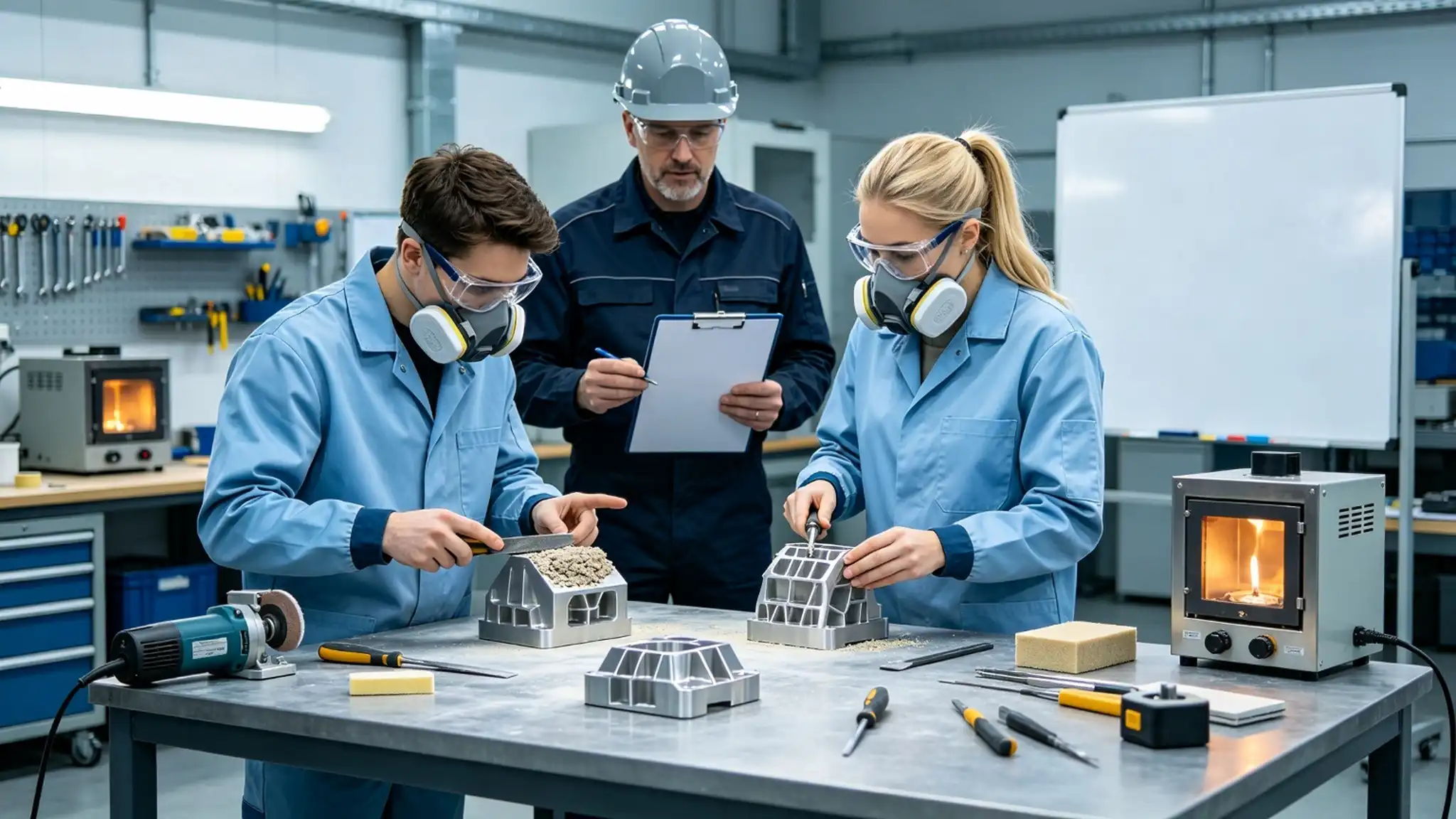
There are six main areas of skills that are developed during comprehensive additive manufacturing equipment operations & maintenance training. Participants learn how to set up their tools and do the important checks that are done before each build cycle, such as making sure that the material properties are correct, the environmental factors are correct, and the digital file integrity is correct. Knowing how to use cutting software lets operators make the best use of support structures, change layer heights to fit specific shapes, and find the best balance between print speed and quality needs. Post-processing skills include ways to remove supports while keeping the structure of the part, ways to finish the surface, and checking the dimensions with tools and coordinate measuring machines. The maintenance modules teach you how to find parts, recognize wear patterns, and replace things that wear out quickly, like nozzles, wiper blades, and filters.
Hands-On Workshops and Virtual Simulations
Practical practice is the most important part of good teaching. In live equipment classes, students can do the whole production process, from preparing the files to post-processing them, while being supervised by a teacher. This way, they can get hands-on experience with machine controls and moving materials. As an addition to real-life training, virtual simulation platforms let you practice high-risk tasks like laser alignment or heated chamber maintenance over and over again without putting real equipment at risk. E-learning programs teach basic skills through guided equipment walkthroughs, animated maintenance procedures, and live troubleshooting situations that can be used to prepare for class and to review afterward (Campbell et al., 2020).
Measuring Training Effectiveness
In order to figure out the return on investment (ROI) of training, companies use practical success indicators instead of test scores. Some important measures that were watched before and after training were the mean time between failures, the first-pass yield rate, and the time it took to finish a maintenance cycle. Knowledge retention strategies, like taking refresher courses every three months, being recertified every year, and having a peer mentoring system, make sure that skills stay up to date as equipment firmware updates and new materials come out. ECR Academy's learning management platform keeps track of each operator's performance over multiple rounds of operating the same piece of equipment. This finds skill gaps that need more training and keeps track of competency growth for records of workforce development.
Choosing the Right Maintenance Solutions and Service Providers
In-House Versus Outsourced Maintenance
Companies with fewer than five printers often find it cheaper to hire outside repair techs because their own technicians aren't being used as much. But factories with ten or more machines that work continuously during multiple shifts need committed repair staff who learn a lot about how to make the machines work best and how to improve the process. Hybrid models that combine first-response services provided by the company itself with relationships with vendors for more complicated repairs find a good balance between reducing costs and meeting reaction time needs. When you engage in training, your internal teams can do 80% of basic maintenance. For more specialized tasks, like replacing laser tubes, fixing electronic boards, or dealing with software license issues, you can call in authorized service providers.
Evaluating Maintenance Service Agreements
When looking at additive manufacturing equipment operations & maintenance service contracts, people who work in procurement should look closely at a number of important terms in addition to the price. When equipment breaks down, response time guaranties determine how much production is affected. For high-use environments, four-hour on-site response is necessary, while next-business-day service is enough for research purposes. Parts coverage clarity keeps you from having to pay extra for things you didn't expect. Comprehensive agreements cover consumables like build platforms and wiper assemblies, while basic plans only cover mechanical parts. It's important to think about the brand you're buying. For example, Stratasys has global service networks that are good for multinational businesses, while regional suppliers like HP and EOS offer specialized support for industrial metal systems that need metallurgical knowledge (SmarTech Analysis, 202<).
Maintenance Management Software Solutions
With digital tools, care that is reactive can be turned into proactive asset management. Modern systems have sensors built into the equipment that can keep track of how many hours it's been used, how long consumables last, and when to automatically restock supplies before they run out. Scheduling modules plan times for preventive maintenance around the needs of production, so that pressing builds and regular service don't clash. For ISO 9001 audits and medical device rules, documentation includes keeping maintenance logs, calibration certificates, and parts replacement histories. Cloud-based systems let equipment manufacturers keep an eye on things from afar. This makes predictive maintenance easier by using machine learning algorithms to find strange performance patterns that mean a part is about to break.
Procurement Guidelines for Additive Manufacturing Equipment Maintenance Services
Sourcing Reliable Training and Maintenance Partners
To find qualified additive manufacturing equipment operations & maintenance training providers, you need to look at a number of signs that they are trustworthy. Accredited schools use well-known industry standards, like those made by ASTM F42 groups or the ANSI Additive Manufacturing Standardization Collaborative, to make sure that the lessons are useful. Credentials as an instructor are very important. The best facilitators have both official training in how to teach and hands-on experience using production tools. The teachers at ECR Academy include both manufacturing engineers who have managed printer fleets for aerospace suppliers and vocational educators who know how to teach adults in a way that gives them more than just theoretical knowledge.
Negotiating Service Contracts and SLAs
Through carefully structured service level agreements, good contract negotiations find a balance between keeping costs low and protecting operations. Set clear performance measures, like maximum reaction times based on trouble ticket submissions instead of business hours, and make sure that people who don't keep their promises are punished financially to make up for lost production. Parts provisioning words should make it clear whether substitute parts are new, used, or remanufactured, since differences in quality can shorten the life of equipment. It's better to have contracts that include training than ones that only cover maintenance. Contracts that include annual operator refresher sessions and access to up-to-date technical documentation are more valuable over the life of the agreement. When you combine different types of equipment or places under one service deal, you can talk about getting volume discounts.
Authentic Parts Identification and Supply Chain Management
As more aftermarket sellers offer new parts at strangely low prices, the risks of counterfeit parts are growing. Trained maintenance staff can spot quality signs, such as numbered labels, holographic authentication marks, and packages that can't be opened without revealing the contents. Setting up lists of approved vendors and requiring parts tracking paperwork protects against low-quality parts that break warranties or pose safety risks. Using just-in-time ordering for expensive, low-turnover parts and keeping minimum stock levels for consumables with a high failure rate, like nozzles, seals, and sensors, is what integrated parts management in maintenance routines means. Total cost of ownership tracking by procurement managers shows that premium OEM parts often have lower lifetime costs than cheaper options because they last longer and cause less damage.
Conclusion
Structured training in additive manufacturing equipment operations & maintenance is what sets high-performing production settings apart from those that have problems with unplanned breaks and inconsistent output. When companies spend money on comprehensive operator development, which includes both theoretical knowledge and hands-on troubleshooting experience, equipment utilization rates, part quality consistency, and the predictability of maintenance costs all get better. As additive technologies keep making their way into production manufacturing beyond testing, having workers who can keep operations running smoothly becomes a competitive advantage. Prioritizing operator skill development pays off in the form of longer equipment lifecycles and higher production throughput. This is true whether you set up in-house training programs for institutional fleets or work with specialized education providers.
FAQ
1.How often should additive manufacturing equipment undergo calibration?
How often equipment needs to be calibrated depends on how much it is used and how precise it needs to be. Critical factors like build platform leveling, temperature accuracy, and dimensional scaling are usually calibrated once a week in production settings with continuous shifts, and the whole system is validated once a month. Calibration cycles may be extended to every two weeks or once a month in research facilities that only use their equipment sometimes. When the material changes, the printer has to be re-calibrated because different metal powders or polymers have different thermal properties that affect the accuracy of the print. Trained workers can spot signs of drift, such as differences in the sizes of test parts and irregular first-layer adhesion, which causes calibration to happen outside of regular times (Wohlers Associates, 2022).
2.What safety certifications do maintenance personnel need?
The kinds of safety training needed depend on the technology and the area. Hazardous materials handling licenses cover how to avoid chemical exposure and clean up after a spill for SLA operators who work with photopolymer resins. Technicians at SLS who work with metal powders that can catch fire need training that meets the standards set by NFPA 484 to stop dust explosions. Before working on electrical, thermal, or mechanically dangerous equipment for maintenance, everyone should get lockout-tagout certification. Institutions that want to make medical devices that comply with ISO 13485 must keep written records of their employees' training that show they know how to keep things clean and follow quality standards.
3.Can training programs reduce total maintenance costs?
Structured additive manufacturing equipment operations & maintenance training has helped companies cut their annual maintenance costs by 25–35% in just 18 months. Skilled workers can spot problems early on, when fixes are still easy and cheap. For example, they can tighten up loose bolts before vibrations damage bearings and replace worn-out nozzles before clogs damage heating elements. Proper operating techniques extend the life of consumable parts: trained staff using the right material loading methods cut down on filament jams by 60%, and following shutdown routines keeps heating components from being damaged by thermal shock. These savings quickly covered the costs of training, especially for businesses that use a lot of different pieces of equipment.
Partner With ECR Academy for Comprehensive Equipment Training Solutions
More than equipment instructions and online movies are needed to train people to be able to handle the complicated tasks of 3D printing. Industry-aligned additive manufacturing equipment operations & maintenance training is offered by ECR Academy. Project-based curricula covering FDM, SLA, and SLS technologies turn new operators into confident technicians. Our programs mix virtual modeling practice with hands-on equipment operation at training centers with industrial-grade systems. This way, students learn skills they can use right away. Through our wholesale course licensing, custom program development, and white-label partnership models, we can help manufacturing companies cut down on equipment downtime, educational institutions build additive manufacturing labs, and training providers offer more courses. Get in touch with our team at ecr2008@enteredu.com to talk about how customized training programs can help your company improve its additive manufacturing skills and operational dependability.
References
1. ASTM International. (2021). ASTM F3122-14: Standard Guide for Evaluating Mechanical Properties of Metal Materials Made via Additive Manufacturing.
2. Campbell, T., Williams, C., Ivanova, O., & Garrett, B. (2020). Could 3D Printing Change the World? Technologies, Potential, and Implications of Additive Manufacturing. Atlantic Council.
3. Gibson, I., Rosen, D., Stucker, B., & Khorasani, M. (2021). Additive Manufacturing Technologies (3rd ed.). Springer.
4. SmarTech Analysis. (2023). Additive Manufacturing Market Outlook and Summary of Opportunities. SmarTech Publishing.
5. Wohlers Associates. (2022). Wohlers Report 2022: 3D Printing and Additive Manufacturing Global State of the Industry. Wohlers Associates, Inc.
6. National Fire Protection Association. (2022). NFPA 484: Standard for Combustible Metals.


_1781601799781.webp)